
Plants
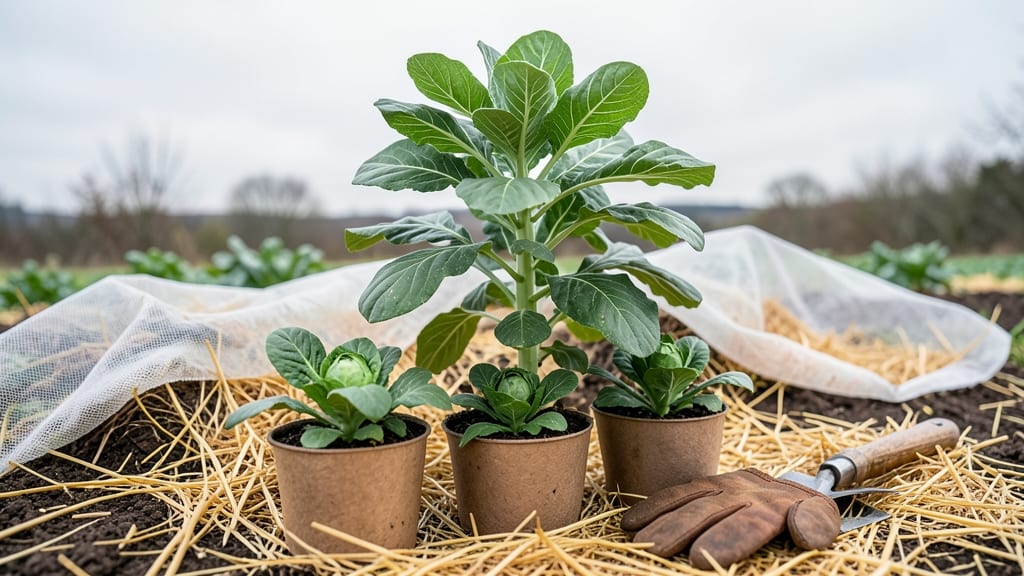
Timing your Brussel sprouts 🥦 planting in Colorado isn’t just about the calendar—it’s a high-stakes game against frost that can make or break your harvest.
With USDA zones 5-7 and elevation swings from plains to mountains, getting the window right means the difference between a bumper crop and bolting plants.
I’ll break down the exact months to plant based on your elevation, so you can avoid the most common mistakes that leave gardeners scrambling when temperatures drop.
Whether you’re in the lowlands or high-altitude zones, knowing when to start seeds indoors or transplant outdoors is key. We’ll cover frost-free deadlines, soil temperature tricks, and even how to stretch your growing season if you’re above 7,000 feet.
Ready to grow crisp, flavorful Brussel sprouts 🥦 that thrive in Colorado’s climate? Let’s dive into the perfect planting schedule tailored just for you.
Colorado’s 3 elevation zones for Brussel sprouts planting dates
Colorado’s three distinct elevation zones mean your Brussel sprouts 🥦 planting schedule should match your altitude. Lowland gardeners near Denver can plant earlier, while mountain gardeners above 7,000 feet face late frosts that demand careful timing. Understanding these zones helps you avoid frost damage and maximize your harvest window.
Brussel sprouts thrive in cool weather and need 90-120 days to mature. In Colorado, this means planting in two key windows: early summer for fall harvest or late summer for winter harvest. The challenge? Frost can strike anytime after mid-October, especially at higher elevations.
Here’s how to align your planting with Colorado’s three elevation zones—lowland (3,500-5,500 ft), foothills (5,500-7,000 ft), and mountain (7,000+ ft). Each zone has its own last frost dates and ideal planting windows to ensure your sprouts mature before winter sets in.
For lowland gardeners (e.g., Denver, Colorado Springs), the last frost date typically falls around May 1-15. This means you can start seeds indoors by March 1 or direct sow as early as mid-April.
Aim to transplant seedlings outdoors by mid-May to ensure they mature before the first frost in October.
In the foothills (e.g., Boulder, Fort Collins), frost lingers longer, with an average last frost of May 15-30. Gardeners here should start seeds indoors by late March or direct sow by late April.
Use row covers to extend the season if planting in June, as temperatures can drop suddenly after mid-July.
Mountain gardeners (e.g., Aspen, Telluride) face the biggest challenge due to late frosts, often as late as June 1-15. Plant seeds indoors by late April or direct sow by late May. Opt for cold-hardy varieties like 'Long Island Improved' or 'Ruby Ball', which tolerate cooler temperatures. Harvest before October 15, as frosts become more frequent.
Regardless of elevation, always monitor your local microclimate. Urban areas like Denver can be 5-10°F warmer than rural zones, while valleys may experience earlier frosts. Use a frost calendar from your local Cooperative Extension office for precise dates tailored to your neighborhood.
Pro tip: Soil temperature matters just as much as air temperature. Brussel sprouts prefer 40-85°F soil. Use a soil thermometer to confirm readiness before planting. If soil is too cold, wait until temperatures rise—rushing can stunt growth or invite disease.
Finally, remember that Brussel sprouts 🥦 are biennials, meaning they’ll bolt (flower) in their second year if left in the ground. In Colorado’s climate, this usually isn’t an issue for gardeners who harvest and remove plants by December.
But if you’re growing them as perennials, plan to harvest by late fall before temperatures drop below 20°F.
How to extend the growing season for mountain zone gardeners
If you’re gardening above 7,000 feet in Colorado, frost can linger well into June, making traditional planting timelines risky for Brussel sprouts 🥦. The key to success? Extending your growing season with cold-hardy varieties and protective strategies that shield tender plants from late frosts.
Mountain gardeners often face 10-14 days later last-frost dates than lowland areas. For example, Denver’s average last frost is May 15, but in Fort Collins or Boulder, it can push to May 30.
Adjust your schedule accordingly—planting too early risks frost damage, while waiting too long may yield immature sprouts.
For elevations above 8,000 feet, consider cold-hardy varieties like ‘Long Island Improved’ or ‘Jade Cross,’ which tolerate light frosts down to 25°F. These varieties buy you extra time to harvest before winter sets in.
Here’s how to stretch your growing season effectively:
- Use Row Covers or Cold Frames
Deploy floating row covers or cold frames to protect seedlings from unexpected frosts. These extend the season by 3-4 weeks and shield plants from wind chill.
- Plant in Microclimates
South-facing slopes or sunny garden beds near buildings warm up faster. These microclimates can add 10-15°F of heat compared to open areas.
- Start Seeds Indoors Early
Begin seeds indoors 10-12 weeks before your area’s last frost date. Transplant hardened-off seedlings outdoors in late May or early June for a head start.
- Mulch Heavily for Soil Warmth
Apply 4-6 inches of straw or wood chips around the base of plants. Mulch insulates roots, keeping soil 5-10°F warmer than bare ground.
- Choose Shorter Varieties
Dwarf varieties like ‘Ruby Ball’ mature in 80-90 days, fitting into shorter growing seasons. Their compact size also makes them easier to protect.
With these strategies, you can push your Brussel sprout harvest 🥦 into late October or November, even in mountain zones. The trade-off? More attention to frost monitoring and protective measures—but the reward is worth it.
Pro tip: Set up a frost alert system using local weather apps like Colorado State University’s AgriWeather. It’ll notify you of sudden temperature drops so you can cover plants in time.