
Plants
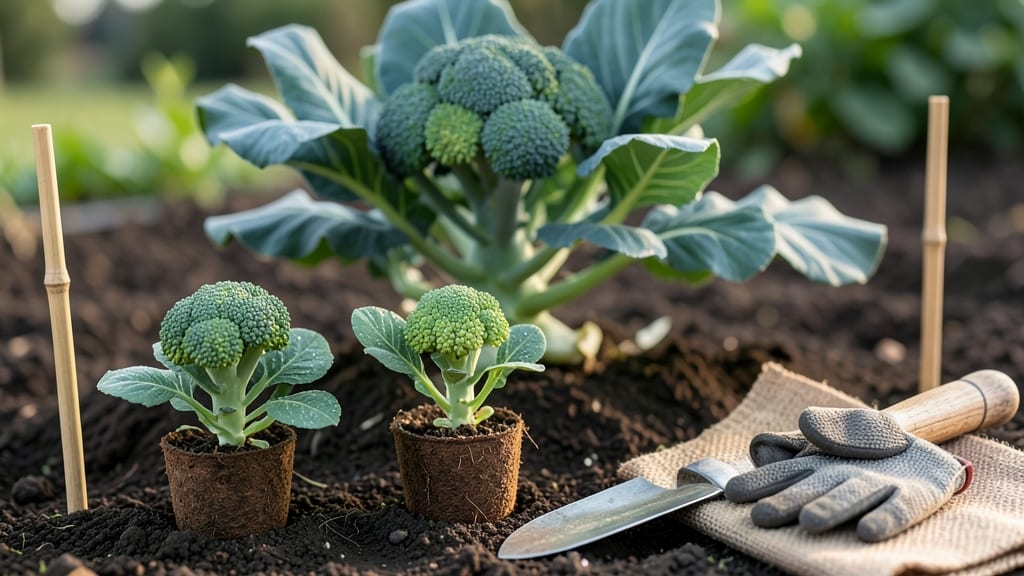
If you’ve ever planted broccoli 🥦 in Zone 6b only to watch it bolt before harvest, you’re not alone. The key to crisp, flavorful heads lies in timing—specifically, knowing exactly when to plant broccoli in Zone 6b to avoid frost damage or premature flowering.
Zone 6b’s unpredictable swings between -10°F and 50°F make broccoli a finicky crop, but with the right strategy, you can enjoy two harvests a year. Whether you’re a first-time gardener or a seasoned grower, mastering the 4–6 week window before last frost is your ticket to zero-bolt success.
In this guide, I’ll break down the two best planting windows (spring and fall), soil prep secrets, and how to adjust for microclimates in your area. No more guesswork—just a foolproof plan to grow broccoli that’s sweet, tender, and ready to harvest when you need it most.
Let’s get started with the exact weeks that’ll transform your garden—and your dinner plate—this season.
Best planting weeks for broccoli in Zone 6B (with last frost dates)
In Zone 6B, timing is everything for broccoli success. Plant too early, and frost will damage tender seedlings. Too late, and your plants bolt before forming heads. The key? Two perfect windows: early spring and late summer.
For Zone 6B, aim for 4–6 weeks before your last frost date (typically March 15–April 15) and 8–10 weeks before first frost (usually July 15–August 15).
Your last frost date varies by location—check your local USDA Plant Hardiness Zone Map or use the Almanac’s Frost Calculator. For example, in Columbus, OH, last frost is April 15, while in Denver, CO, it’s April 20.
Adjust your planting schedule accordingly to avoid frost damage or premature bolting.
Here’s your Zone 6B broccoli planting timeline, including soil temperature requirements and spacing tips to maximize yields:
| Planting Window | Weeks Before Frost | Soil Temp (°F) | Spacing (inches) | Notes |
|---|---|---|---|---|
| Early Spring | 4–6 weeks before last frost | 40–50°F (4–7°C) | 18–24 inches apart | Use cold-hardy varieties like 'Waltham 29'. Start seeds indoors 4–6 weeks before transplanting. |
| Late Summer | 8–10 weeks before first frost | 50–60°F (10–15°C) | 18–24 inches apart | Choose heat-tolerant varieties like 'Belstar'. Succession plant every 2 weeks for continuous harvests. |
| Fall (Overwintering) | 10–12 weeks before first frost | 45–55°F (7–13°C) | 24 inches apart | Use mulch heavily (4–6 inches) to protect roots. Harvest before hard frost hits. |
For spring planting, start seeds indoors 4–6 weeks before your last frost date. Harden off seedlings for 7–10 days before transplanting. In Zone 6B, this means sowing seeds indoors by mid-February to early March.
Use grow lights if natural light is limited—broccoli needs 12–14 hours of light daily to prevent leggy seedlings.
If you’re planting directly outdoors in spring, wait until soil temperatures reach 40°F (4°C) and nighttime temps stay above 35°F (2°C). Use row covers for extra protection if frost is forecasted.
For fall planting, aim for July 15–August 15 to ensure heads mature before frost. Succession plant every 2 weeks for a continuous harvest.
Pro tip: Test your soil pH before planting—broccoli thrives in 6.0–7.0 pH. Amend with compost or lime if needed. Add a 2–3 inch layer of mulch after transplanting to retain moisture and suppress weeds.
This is especially critical in Zone 6B’s unpredictable spring weather, where dry spells can stress young plants.
Remember, bolting (premature flowering) is your biggest enemy in Zone 6B. To delay it, avoid planting too early in spring or too late in fall. If your area experiences an early warm spell, use shade cloth (30–50%) to keep plants cool.
For fall crops, prioritize cold-hardy varieties like 'De Cicco' to extend your harvest window.
Finally, keep an eye on your local microclimate. Areas near bodies of water or in valleys may have later frost dates than higher elevations. Adjust your planting schedule accordingly—when in doubt, plant on the later side to avoid frost damage.
With these exact timing guidelines, you’ll enjoy crisp, flavorful broccoli heads from late spring to early fall in Zone 6B.
Best planting weeks for broccoli in Zone 6B (with last frost dates)
Zone 6B’s unpredictable spring makes timing critical—plant broccoli 4–6 weeks before your last frost (typically March 20–April 1 for most of the zone). Miss this window, and you risk bolting (premature flowering) from heat stress or frost damage if planted too early.
Use your local Almanac frost dates as your guide, but adjust 1–2 weeks earlier if your microclimate runs colder.
For a fall harvest, aim for July 15–August 15, giving plants 70–90 days to mature before first frost (usually October 20). Fall-planted broccoli often tastes sweeter after a light frost, but avoid planting too late—slow-growing varieties won’t recover from early cold snaps.
📅 Zone 6B Broccoli Planting Timeline
| Stage | Action | Soil Temp |
|---|---|---|
| Spring Planting | Start seeds indoors 4–6 weeks before last frost (Feb 20–March 15) | 50–55°F |
| Transplant Outdoors | After last frost, when soil is 40–45°F (March 20–April 10) | 40–45°F |
| Fall Planting | Direct-sow seeds July 15–August 15 for harvest before frost | 60–65°F |
| Harvest Window | Spring: May–June | Fall: September–October | N/A |
⚠️ Pro Tip: Use row covers to extend spring planting by 2–3 weeks if nights dip below 30°F.
Soil temperature is more critical than air temperature—broccoli seeds won’t sprout below 40°F. Use a soil thermometer to confirm readiness. In cool microclimates (e.g., near lakes or hills), plant 2 weeks later than average dates, while urban heat islands may need earlier starts to avoid bolting.
For succession planting, sow new seeds every 2 weeks from March to July. This ensures a continuous harvest and reduces bolting risk by staggering maturity dates. Pair early varieties (e.g., 'De Cicco') with late varieties (e.g., 'Belstar') for a 6–8 week harvest window.
Mulch with straw or shredded leaves after transplanting to stabilize soil temps and retain moisture. In dry springs, mulch also prevents bolting by reducing temperature fluctuations. Avoid organic mulches if your soil is too wet, as this can suffocate roots.
If your last frost date is later than April 15 (e.g., April 30 in protected valleys), adjust planting to March 15–March 30 for spring crops. Always harden off seedlings for 7–10 days before transplanting to avoid shock from Zone 6B’s temperature swings.