
Plants
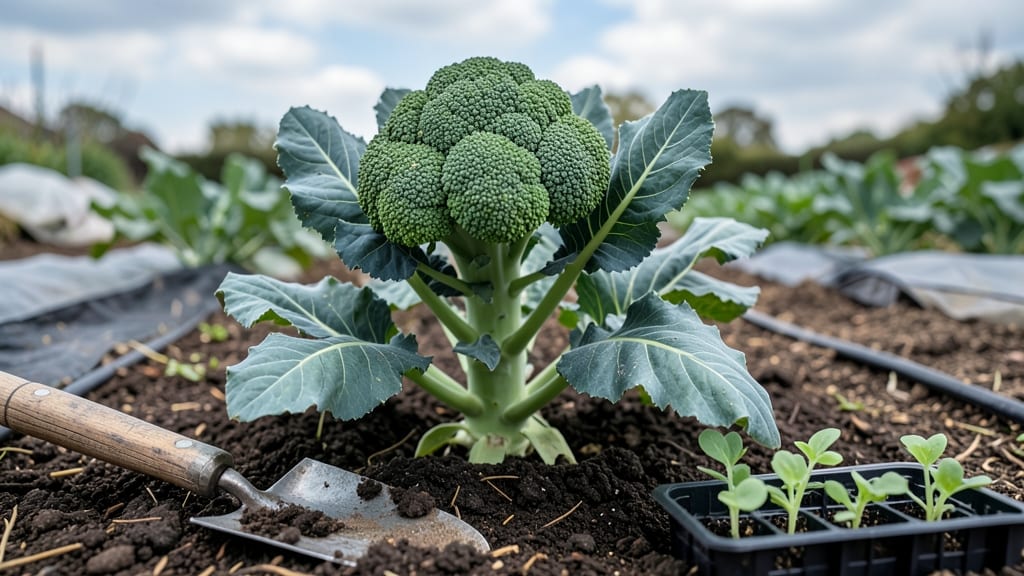
Timing your 🥦 broccoli planting in Kansas isn't just about the calendar—it's about beating the heat and avoiding those cruel late-spring frosts that can turn your hard work into sad, bolted greens.
If you plant too early, cold snaps will stall growth; too late, and summer's sweltering temperatures send your plants into a bitter retreat. The good news? With the right heat-tolerant varieties and precise planting windows, you can enjoy crisp, homegrown broccoli twice a year in Kansas' 5b-7a zones.
Most Kansas gardeners swear by two planting seasons: early spring (March-April) for a late spring harvest and late summer (July-August) for a fall bounty. But here's the catch—you've got to time it perfectly.
Planting 4-6 weeks before your last frost date (around March 15) gives seedlings enough time to establish roots before summer's heat arrives. For fall crops, aim for 90-120 days before the first frost (October 15), so your broccoli matures just as temperatures cool.
Why does this matter? Because Kansas' unpredictable weather—hot days, cool nights, and sudden frost—can make or break your harvest. The varieties that thrive here, like 'De Cicco' or 'Waltham 29,' are bred to handle heat better than your average broccoli.
But even the toughest plants need the right start. Let me show you exactly how to sync your planting with Kansas' climate for maximum yield—no guesswork, just green thumbs.
Ready to skip the trial-and-error? I’ll break down the exact weeks to plant, the best varieties for your zone, and how to prep your soil so your broccoli goes from seed to side dish like a pro.
No more watching your plants wilt in the heat or bolt before harvest—just crisp, flavorful heads straight from your garden.
Best broccoli varieties for Kansas heat and their exact planting windows
Kansas' hot summers and unpredictable spring frosts demand heat-tolerant broccoli varieties with precise planting timing. The wrong choice or schedule leads to bolting (premature flowering) or stunted growth. But with the right cultivars and planting windows, you can enjoy crisp, flavorful heads twice a year—spring and fall.
Spring planting in Kansas starts 4-6 weeks before your last frost date (typically mid-March to early April), while fall planting happens 90-120 days before the first frost (usually late July to early August).
The key is selecting varieties that thrive in USDA Zones 5b-7a and can handle Kansas' 90°F+ summer days.
Heat-tolerant varieties like 'De Cicco' (Italian heirloom) and 'Calabrese' (classic green) perform well in Kansas. For earlier harvests, try 'Waltham 29', a cold-hardy option that tolerates light frosts after transplanting. Each variety has specific planting windows to avoid stress.
Here’s how to match your variety to Kansas’ two planting seasons for maximum success:
For spring planting, start seeds indoors 8–10 weeks before the last frost (around January 15–February 1) if using Calabrese or Waltham 29. Direct-sow De Cicco or Green Magic after March 15 to avoid cold soil (<40°F slows germination).
Fall planting is trickier in Kansas due to summer heat. Begin with transplants (not seeds) in late July to ensure heads form before September’s heat. Use shade cloth (30–50%) if temperatures exceed 85°F to prevent bolting.
Pro tip: Check your local frost dates using the Kansas State University Planting Calendar. Adjust by 1–2 weeks if your area runs warmer or cooler than average. For example, western Kansas (Zone 5b) may need earlier spring starts than eastern Kansas (Zone 7a).
Once you’ve picked your variety and planting window, the next step is soil prep and transplanting. We’ll cover that in the next section—plus how to avoid the top 3 mistakes Kansas gardeners make that ruin broccoli harvests.
Best broccoli varieties for Kansas heat and their exact planting windows
Kansas' USDA zones 5b-7a demand broccoli varieties that can handle both early spring chills and summer heat. The key is choosing heat-tolerant types like 'De Cicco' (Italian heirloom) or 'Waltham 29' (classic green), which thrive in Kansas' 90-120 day growing season.
These varieties mature before summer's peak heat, giving you crisp heads instead of bitter stalks.
Timing is everything—plant too early, and cold snaps trigger bolting. Too late, and your plants wilt under July's 90°F+ temperatures. The solution? Two planting windows: early spring (March-April) for late spring harvests and late summer (July-August) for fall crops.
Let me break down the exact weeks for each variety and season.
| Variety | Type | Spring Planting Window | Fall Planting Window | Days to Maturity | Kansas Notes |
|---|---|---|---|---|---|
| De Cicco | Italian heirloom | March 15-April 15 | July 15-August 15 | 60-70 days | Heat-tolerant, compact |
| Waltham 29 | Classic green | March 20-April 10 | July 20-August 10 | 70-80 days | Cold-hardy, large heads |
| Calabrese | Romanesco | April 1-May 1 | August 1-September 1 | 80-90 days | Fractal heads, late season |
| Packman | Hybrid | March 25-April 20 | July 25-August 20 | 55-65 days | Disease-resistant, fast |
🌱 Pro Tip: For fall crops, start seeds indoors 8-10 weeks before your October 15 first frost date.
For spring planting, aim to have seedlings ready by mid-March. This gives them 6-8 weeks to establish roots before summer heat arrives. Use black plastic mulch to warm the soil faster and deter weeds.
In fall, plant seeds directly in late July for a September-October harvest before frost hits.
Kansas' unpredictable weather means you'll need to monitor your garden closely. If temperatures dip below 50°F at night after transplanting, use row covers to protect young plants. Conversely, if July brings 100°F+ days, provide afternoon shade to prevent bolting.
The right variety paired with precise timing means the difference between crisp, sweet broccoli and tough, bitter disappointment.
Remember: Succession planting every 2 weeks in spring and 3 weeks in fall extends your harvest window. This staggered approach ensures you're always getting fresh heads while older plants mature. With these varieties and timing, you'll turn Kansas' challenging climate into your broccoli-growing advantage.