
Plants
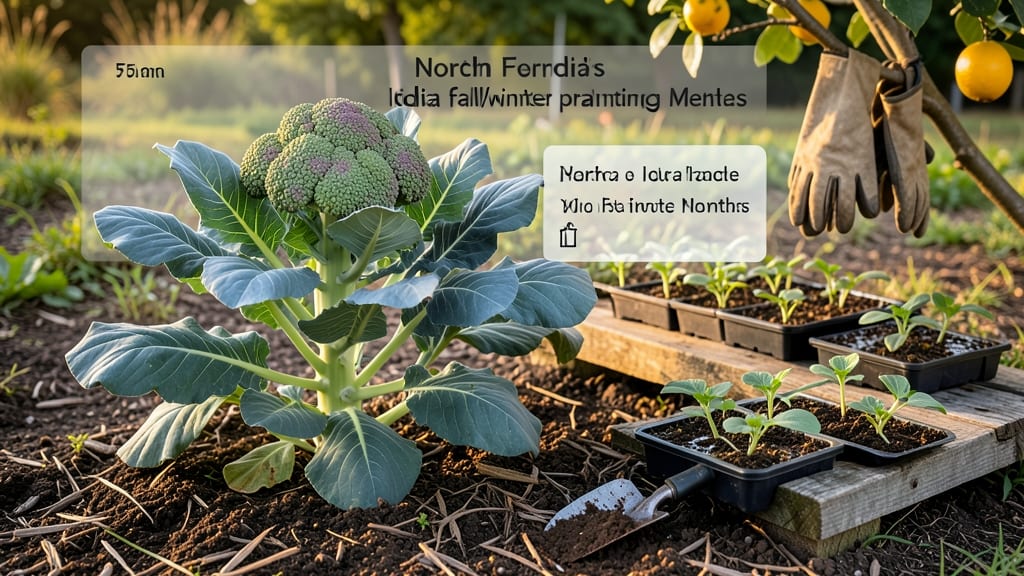
If you’ve ever wondered when to plant broccoli in North Florida, timing is the secret to avoiding bitter disappointments—like heat-bolted plants or frost-wrecked harvests. The right window means lush, 🥦 heads instead of sad, yellowing stalks.
North Florida’s 8a zone gives you two prime chances: early fall (September–October) and late winter (February–March). Plant too early, and summer’s humidity will send your broccoli bolting. Too late, and frost steals your crop before you even taste success.
I’ve grown broccoli here for years, and the key is working with—not against—the climate. In this guide, I’ll show you exactly when to sow seeds, how to prep soil for humidity, and which heat-tolerant varieties actually thrive in our sticky summers.
Ready to go from “maybe next year” to a bountiful harvest? Let’s dive into the perfect planting schedule for your North Florida garden.
Best planting windows for broccoli in North Florida’s climate zones
North Florida’s USDA Zones 8a-9a create a tricky balance for broccoli growers. The key is avoiding summer heat (which causes bolting) and winter frosts (which damage tender plants). My strategy? Focus on two primary planting windows: early fall and late winter, with adjustments based on your exact microclimate.
For most of North Florida, aim to plant broccoli 4-6 weeks before your first frost date—typically mid-September to early October. This gives plants enough time to mature before December’s first frost.
In warmer microclimates (like near Jacksonville), you might extend planting into early November, but expect smaller yields.
Here’s the critical rule: Soil temperature must stay below 80°F for healthy broccoli growth. In North Florida, this means avoiding spring planting after mid-March when temperatures rise. Instead, I recommend a second planting window in February for a spring harvest—just don’t push it past March 15.
Pro tip: Use row covers or cold frames to extend your fall harvest into early December in protected areas. This simple trick adds 2-3 extra weeks of growing time before frost sets in.
| Planting Window | Ideal Months | Soil Temp | Harvest Window | Notes |
|---|---|---|---|---|
| Fall Planting | September-October | 60-75°F | November-December | Best yields; avoid after October 15 |
| Late Winter Planting | February-March | 55-65°F | April-May | Risk of early heat; stop by March 15 |
| Extended Fall (Risky) | Early November | 65-70°F | December (limited) | Use row covers; yields small |
North Florida’s humidity creates unique challenges. Unlike drier climates, broccoli here needs well-draining soil to prevent root rot. I always amend my garden beds with compost and coarse sand before planting. This improves drainage while retaining moisture—critical during our hot, dry spells in late fall.
Another North Florida-specific tip: Mulch heavily with straw or pine needles to keep soil temperatures stable. This prevents the temperature swings that trigger bolting. I’ve seen plants bolt in one week when soil temps spike above 85°F—even in fall!
For container growers, stick to 5-gallon pots minimum and use a lightweight potting mix with perlite. Containers dry out faster in North Florida’s heat, so check moisture daily during summer (even if you’re not planting then). A self-watering system can save your crop.
Remember: Broccoli won’t tolerate summer heat. If you see seedlings struggling in May or June, yank them immediately—they’ll never recover. Save your energy for fall and winter plantings when conditions are perfect.
Best planting windows for broccoli in North Florida’s climate zones
North Florida’s USDA Zones 8a-9a offer two ideal windows for broccoli—early fall and late winter. The key is avoiding summer heat, which causes premature bolting, and late fall frost, which stunts growth. In my garden, I’ve found that September-October and February-March planting yield the most reliable harvests.
Broccoli thrives when soil temperatures stay between 45°F and 80°F. North Florida’s humidity and heat make summer planting risky, while winter’s mild frosts can damage young plants. By aligning planting with these temperature thresholds, you maximize head formation and minimize stress.
| Planting Window | Soil Temp | Harvest Window | Key Considerations |
|---|---|---|---|
| Early Fall (Sept-Oct) | 65°F-75°F | Nov-Dec | Avoids summer heat; 4-6 weeks before first frost |
| Late Winter (Feb-Mar) | 50°F-60°F | April-May | Post-frost danger; cooler temps prevent bolting |
| Avoid Summer (Apr-Oct) | Above 80°F | N/A | Heat stress causes bolting; fungal risks increase |
For early fall planting, start seeds indoors in late July and transplant seedlings outdoors by mid-August. This gives plants time to establish roots before December’s first frost. I’ve had success with De Cicco varieties, which mature faster in cooler weather.
In late winter, direct-sow seeds in February for a spring harvest. Use row covers if nighttime temps dip below 40°F to protect young plants. My Waltham 29 plants consistently produce larger heads when planted this way.
North Florida’s microclimates can vary by just a few miles. Check your local frost dates (typically December 1 for first frost and February 15 for last frost) and adjust planting times accordingly. A 10-day buffer on either side ensures flexibility for weather delays.
Remember, broccoli is a cool-season crop, so prioritize shade cloth in summer and mulch in winter to stabilize soil temps. With these windows, you’ll avoid the #1 mistake—planting at the wrong time and losing your crop to heat or frost.