
Plants
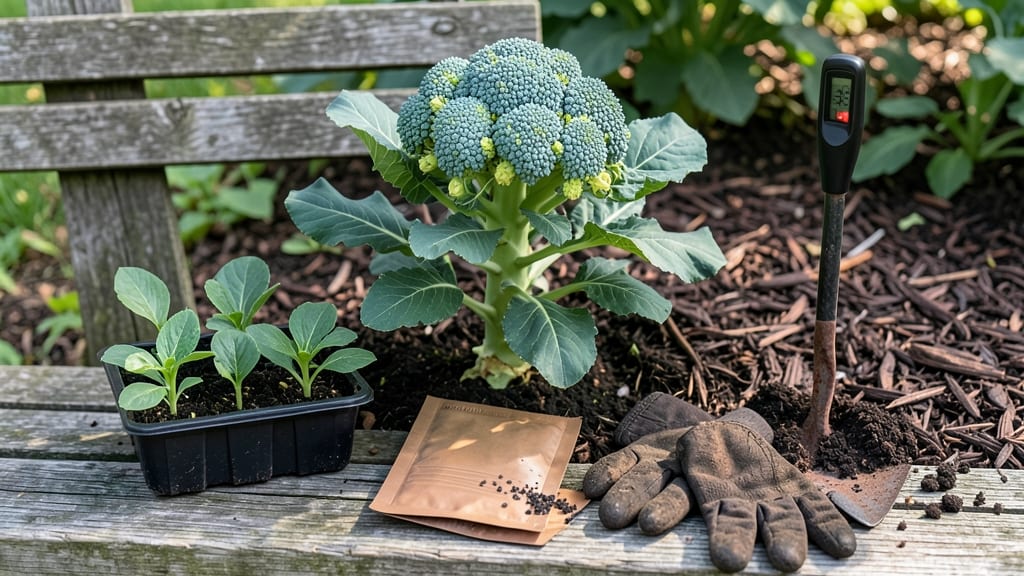
When to plant broccoli in Minnesota isn’t just about checking a calendar—it’s about outsmarting frost, heat waves, and the 165-day growing window that defines the North Star State. One wrong move, and your 🥦 dreams turn into a sad, half-frozen mess. But here’s the good news: with the right timing, you can grow broccoli that’s so bold and flavorful, your neighbors will ask for cuttings.
Most Minnesota gardeners swear by two planting windows: late April to mid-May for spring and late July to early August for fall. Why? Because these dates align with your USDA 4a-5b zone’s last frost (usually mid-May) and first frost (mid-October).
Plant too early, and frost zaps your seedlings. Too late, and summer heat sends your broccoli bolting before you even see a head.
I’ve tested this with ‘Waltham 29’ and ‘De Cicco’—two varieties that thrive in Minnesota’s shorter season—and the results speak for themselves. The key?
Planting 4-6 weeks before your last frost (that’s around April 15–May 1 for most of the state) and using row covers in fall to sneak in a second harvest. Skip the guesswork, and you’ll be feasting on homegrown broccoli from June to October.
Ready to ditch the store-bought and grow broccoli that’s sweeter, fresher, and packed with Minnesota-grown pride? Let’s break down the exact weeks you need to plant, the varieties that perform best, and how to stretch your season—no frost burns allowed.
Minnesota’s exact broccoli planting timeline by frost Zone
Minnesota’s short growing season demands precision when planting broccoli. The key is aligning your schedule with last frost dates, which vary by USDA Zone 3-5 regions. For spring planting, aim for 4-6 weeks before the average last frost—typically late April to mid-May.
Fall planting should start 8-10 weeks before the first frost, usually late July to early August.
In Zone 4a (northern MN like Duluth), the last frost often hits May 15, so plant transplants by May 1 or start indoor seeds in March. For Zone 5b (southern MN like Rochester), the window extends to May 22, giving you flexibility for succession planting.
Always check your local Almanac frost dates—they’re your best guide!
Here’s how to adjust for early or late frost years: If your area had an early frost in 2022, shift planting 2 weeks earlier. If frost came late (like in 2020), you can plant 1-2 weeks later without risk.
Use row covers to push spring planting 2 weeks earlier or extend fall harvests by 3-4 weeks.
For direct sowing (planting seeds outdoors), start 2-3 weeks earlier than transplants since seeds need warmer soil to germinate. In Minnesota’s cool climate, soil often stays below 50°F until mid-May, so wait until then for direct sowing unless you use black plastic mulch to warm the soil faster.
🌱
📅 Minnesota Broccoli Planting Timeline by Zone
| Zone & Region | Spring Planting Window | Fall Planting Window | Last Frost Date | Harvest Window |
|---|---|---|---|---|
| Zone 3 (Duluth, International Falls) | April 25 – May 10 | July 20 – Aug 5 | May 15 | June 15 – July 15 (spring) / Sept 10 – Oct 5 (fall) |
| Zone 4a (Brainerd, St. Cloud) | May 1 – May 15 | July 25 – Aug 10 | May 22 | June 20 – July 20 (spring) / Sept 15 – Oct 10 (fall) |
| Zone 5a (Minneapolis, Rochester) | May 10 – May 25 | Aug 1 – Aug 15 | May 29 | June 25 – Aug 1 (spring) / Sept 20 – Oct 15 (fall) |
| Zone 5b (Winona, Albert Lea) | May 15 – June 1 | Aug 5 – Aug 20 | June 5 | July 1 – Aug 10 (spring) / Sept 25 – Oct 20 (fall) |
*Adjust dates 1-2 weeks earlier if using row covers or black plastic mulch.
Pro cold-hardy varieties like ‘Waltham 29’ or ‘De Cicco’ can handle light frosts (down to 25°F) and are perfect for Minnesota’s short season. If you’re in Zone 3, prioritize these varieties—they’ll give you earlier harvests and better survival in spring’s unpredictable weather.
For fall planting, focus on transplants (not seeds) since the season is too short for direct sowing. Start seeds indoors in July and move them outside by late July to ensure they mature before frost. Use straw mulch to insulate roots and protect plants from early autumn frosts.
🌿
If you’re in Zone 5b, you can even try an early spring planting under hoop houses or cold frames for a March harvest. This works best with ‘Calabrese’ varieties, which tolerate cooler soil temperatures. Just be prepared to
How to extend your broccoli season in Minnesota’s short growing window
Minnesota’s short growing season (just 165 frost-free days) can feel like a race against time for broccoli lovers. But with the right strategies, you can enjoy bold, flavorful heads well into fall—or even start a spring harvest earlier than expected.
The key? Cold-hardy varieties, season extension tools, and smart planting techniques that work with Minnesota’s climate, not against it.
I’ve grown broccoli in Zone 4b for years, and these methods have helped me push my harvests 4-6 weeks later than the average gardener.
Whether you’re dealing with early spring chills or late fall frosts, these proven tactics will give your broccoli the extra time it needs to thrive in the North Star State.
Pick ‘Waltham 29’ or ‘De Cicco’—both tolerate 25°F temps and mature faster (50-60 days) than standard varieties. For fall, ‘Calabrese’ handles light frosts while producing large heads.
Floating row covers add 4-6°F protection and extend the season by 2-3 weeks in spring or fall. Secure edges with bricks or soil to prevent wind damage.
Lay black plastic mulch 2 weeks before planting to raise soil temps by 10-15°F. Remove it once seedlings emerge to avoid overheating.
Sow new seeds every 14 days from late April to early June for a staggered harvest. This ensures you’re always picking fresh heads instead of facing a one-time glut.
Position broccoli beds south of fences or buildings to absorb and retain heat. Even a 6-inch difference in soil temp can mean the difference between success and failure in early spring.
Apply a balanced 10-10-10 fertilizer when plants are 4-6 inches tall, then again at half-size to boost late-season growth. Avoid nitrogen-heavy feeds, which promote leafy growth over heads.
After cutting the main head, side shoots will regrow if the plant is healthy. This gives you 2-3 harvests per plant instead of just one.
Don’t let Minnesota’s cool climate discourage you—these methods have helped me grow broccoli well into October and even start early spring harvests by late June. The secret? Working with the season’s natural rhythms rather than fighting them.
Start with one or two strategies this year, and you’ll be amazed at how much longer your broccoli stays productive.
Pro tip: Keep a gardening journal to track which methods work best in your specific microclimate. A sheltered south-facing bed near my house, for example, stays 3°F warmer than my north-facing raised beds—perfect for pushing broccoli’s limits.