
Plants
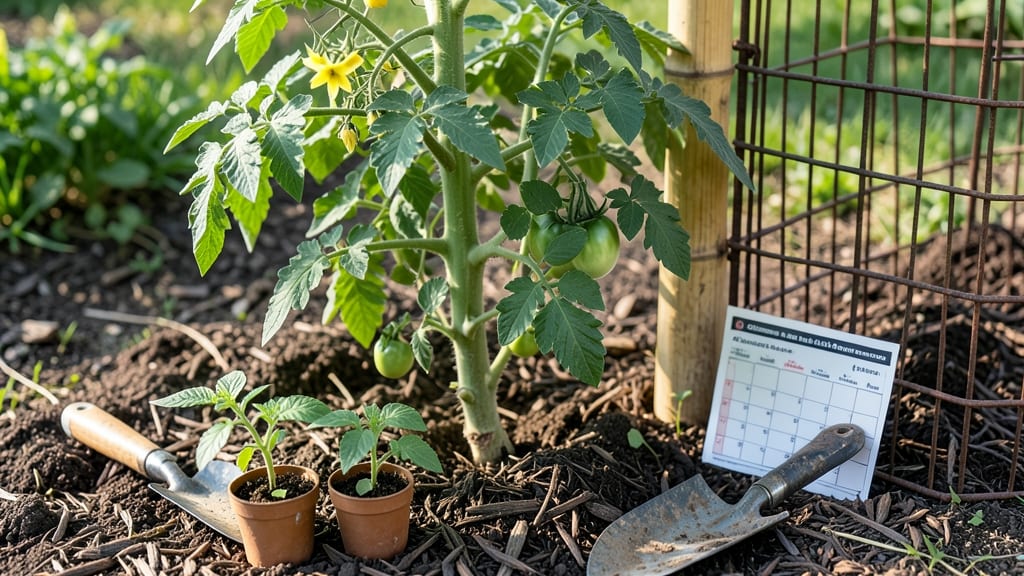
Planting tomatoes in Oklahoma isn’t just about grabbing seeds and sticking them in the dirt—it’s a precision dance with the state’s unpredictable weather. One week too early, and frost will turn your tender seedlings into sad, mushy memories. But nail the timing, and you’ll be feasting on vine-ripened 🍅 from June through October.
Most Oklahoma gardeners in zones 6b-7a know the golden window runs from mid-April to mid-May, but the real magic happens in the weeks leading up to the last frost—typically around March 15.
Whether you’re starting seeds indoors or prepping for direct sowing, getting this right means the difference between a bumper crop and a backyard disappointment.
I’ve learned the hard way that soil temperature matters just as much as the calendar. Tomatoes need warmth—60°F or higher—to thrive, and Oklahoma’s spring can be a rollercoaster.
That’s why I’ll walk you through exactly when to plant, how to protect your seedlings from late frosts, and even how to stretch your harvest into fall with smart succession planting.
Ready to turn your Oklahoma garden into a tomato powerhouse? Let’s break down the exact schedule, the best varieties for your climate, and the pro tips that’ll keep your plants happy—no matter what Mother Nature throws your way.
Oklahoma’s last frost dates by region and best weeks to plant tomatoes
Oklahoma’s variable climate means your tomato planting schedule depends heavily on your USDA zone and historical frost dates. In Northern Oklahoma (Zone 6b), the last frost typically arrives around April 15, while Southern Oklahoma (Zone 8a) sees frost-free conditions by March 15.
Central Oklahoma falls somewhere in between, usually around April 1-10. These dates are your planting deadlines—but timing isn’t just about frost.
Tomatoes thrive when soil temperatures stay above 60°F, which usually happens 2-4 weeks after your last frost date. For Northern gardeners, this means waiting until mid-to-late April to plant seedlings or sow seeds directly.
In Central Oklahoma, you can start as early as late March, while Southern gardeners might even squeeze in an early February start under protective covers. The key is matching your planting window to your local frost history and soil warmth.
Here’s the golden rule for Oklahoma tomato planting: Plant 4-6 weeks before your last frost date if starting seeds indoors, or 2-3 weeks before if transplanting seedlings. Direct sowing seeds outdoors should wait until soil temps hit 60°F and stay there.
This timing ensures your plants mature before Oklahoma’s brutal summer heat sets in, which can stress young plants if they’re not established.
| Region | USDA Zone | Avg. Last Frost | Best Planting Window | Soil Temp Goal |
|---|---|---|---|---|
| Northern OK | 6b | April 15 | April 15–May 1 (seedlings) / May 1–15 (direct sow) | 60°F+ |
| Central OK | 7a | April 1–10 | March 20–April 15 (seedlings) / April 1–15 (direct sow) | 60°F+ |
| Southern OK | 8a | March 15 | February 20–March 15 (seedlings) / March 15–April 1 (direct sow) | 60°F+ |
🌱 Note: Adjust for early springs by monitoring soil temps with a thermometer.
For seedlings, start indoors 6-8 weeks before your target transplant date. If you’re direct sowing seeds, wait until 2-3 weeks after your last frost date to avoid cold soil, which can stunt germination.
A simple soil thermometer ($10 at garden centers) is your best tool—plant when temps consistently hit 60°F during the day.
Oklahoma’s unpredictable weather can throw off even the best-laid plans. If you’re in Zone 6b or 7a, consider using row covers or black plastic mulch to warm the soil faster.
In Southern Oklahoma, where winters are milder, you might even try an early February planting under protective covers for a jump-start. Just be prepared to remove covers during the day once temps rise above 75°F to prevent overheating.
Another pro tip: If your spring is late, don’t despair—Oklahoma’s long growing season allows for succession planting. After your first harvest in June or July, you can plant heat-tolerant varieties like ‘Heatmaster’ or ‘Solar Fire’ for a fall harvest.
These varieties handle Oklahoma’s 90°F+ summers better than traditional types, extending your tomato season into October or November.
Finally, remember that tomatoes need warmth to thrive. If you plant too early and a late frost hits, your plants may survive but will be stunted. Use frost cloth or a mini greenhouse for young plants until they’re at least 12 inches tall.
This extra protection gives you a 2-week buffer against Oklahoma’s whimsical spring weather.
By following these region-specific guidelines, you’ll maximize your tomato yields and avoid the common mistakes of planting too early or too late. Soon, you’ll be enjoying homegrown tomatoes straight from the vine—no grocery store in sight! 🍅
How to extend your tomato growing season in Oklahoma’s unpredictable climate
Oklahoma’s spring and fall weather can be as unpredictable as a toddler’s mood—one day sunny and warm, the next with a surprise frost. But don’t let that stop you from growing tomatoes all season long!
With the right strategies, you can protect your plants from late frosts and even enjoy a fall harvest before the first frost hits in November.
I’ve used these tricks in my own garden to stretch my tomato season by 6-8 weeks on both ends. The key is combining row covers, cold frames, and succession planting to outsmart Mother Nature. Let’s dive into the exact methods that work best in Oklahoma’s climate.
First, row covers are my secret weapon for early spring plantings. These lightweight fabrics create a microclimate that traps heat and protects seedlings from temperatures as low as 28°F.
Simply drape them over your tomato plants in the evening and remove them during the day to let in sunlight and prevent overheating.
For late fall plantings, I swear by cold frames or even simple plastic tunnels. These structures can extend your harvest window by 3-4 weeks by trapping warmth from the soil and sunlight. Just
Another game-changer is succession planting. Instead of planting all your tomatoes at once, stagger your plantings every 2-3 weeks from April through early June. This ensures a continuous harvest and minimizes the risk of losing everything to a single late frost or heatwave.
Don’t forget about heat-tolerant varieties! Some tomatoes, like ‘Heatmaster’ or ‘Solar Fire’, thrive in Oklahoma’s scorching summers. Plant these varieties in late June or early July for a fall harvest that beats the heat.
Finally, always keep an eye on the 10-day forecast. If frost is predicted, cover your plants with old blankets or frost cloths. A little preparation goes a long way in Oklahoma’s ever-changing weather!
With these strategies, you’ll turn Oklahoma’s unpredictable weather into an advantage. Your garden will stay productive longer, and you’ll enjoy homegrown tomatoes well into fall—no frost-related disappointments in sight!