
Companion Plants
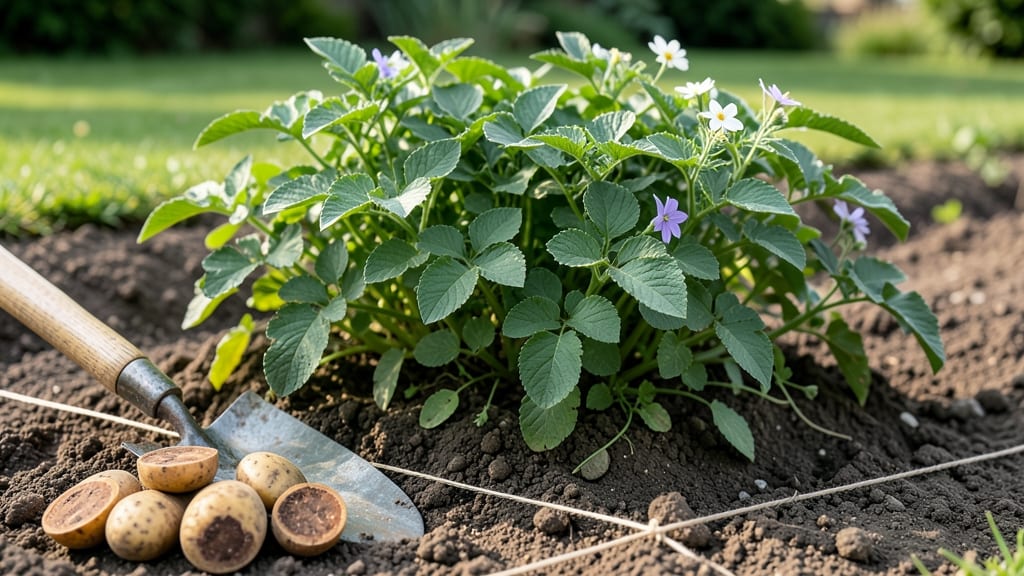
Timing when you can plant potatoes in Pennsylvania isn't just about luck—it's about beating the clock before frost ruins your harvest. Planting too early risks frozen tubers, while waiting too long cuts your growing season short.
The key is knowing the exact weeks before last frost that work for your specific USDA zone, whether you're in chilly 5b or warmer 7a. Most Pennsylvania gardeners land on mid-March to mid-April for spring planting, but your local last frost date could shift that window by weeks.
I'll show you how to calculate your zero-frost-risk period using NOAA data, so you can plant with confidence—no more guessing games or wasted seed potatoes. We'll also cover smart strategies like choosing fast-maturing varieties for early planting or using row covers to push your window even earlier.
Whether you're aiming for a summer harvest or a fall crop, these tips will help you maximize your 165 frost-free days in Pennsylvania. Ready to turn your potato patch into a thriving harvest?
Let's dive into the precise planting schedule that works for your corner of PA—so you can enjoy homegrown spuds from June through October without a single frost-related worry.
PA potato planting timeline: exact weeks before last frost by zone
Timing your potato planting in Pennsylvania hinges on understanding your USDA zone and local last frost dates. With PA spanning zones 5a to 7a, your ideal planting window varies—typically 2-4 weeks before the average last frost.
For example, in zone 5b (e.g., Pittsburgh), aim for mid-April, while zone 7a (e.g., Philadelphia) can start as early as late March.
Soil temperature is just as critical as frost dates. Potatoes thrive when soil reaches 45°F (7°C). Use a soil thermometer to confirm readiness—cold soil delays sprouting and invites rot.
In cooler zones, wait until soil warms naturally, even if frost dates suggest earlier planting. Rushing leads to frost-damaged tubers or stunted growth.
Here’s the key: Plant seed potatoes when you’ve calculated a 90% chance of no frost in the next 2-3 weeks. Check NOAA’s Frost/Freeze Forecast for your county, then subtract 21-28 days (the time needed for tubers to sprout and establish roots before hard frost).
This method works for both early varieties (e.g., 'Red LaSoda') and late-season types (e.g., 'Kennebec').
🌱
For zone 7a gardeners, the late February window might seem aggressive, but it’s doable with frost protection. Use row covers or cold frames to shield young plants from unexpected frosts.
My go-to method is black plastic mulch—it warms soil by 5–10°F faster than bare earth, letting me plant 2 weeks earlier without risk.
Pro tip: If your soil is still too cold, opt for container growing. Fill pots with well-draining mix and place them in a sunny spot. Containers warm up quicker than ground soil, giving you a 2-week head start in cooler zones.
Just ensure pots are at least 12 inches deep to accommodate tuber growth.
Don’t overlook fall planting for an early harvest. In late summer (around August 15), plant fast-maturing varieties like 'Early Rose' or 'Norland'. These potatoes mature in 60–70 days, letting you harvest before the first frost—perfect for Thanksgiving feasts or storing over winter.
🌿
To double-check your local frost dates, visit the Penn State Extension website or use the Almanac’s Frost Calculator. Input your ZIP code, and it’ll generate a 10-year average for last frost—then subtract 21 days for your planting deadline.
This data is more reliable than guessing, especially in PA’s microclimates where valleys freeze later than mountaintops.
Finally, always have a backup plan. Keep a row cover or lightweight blanket handy for late frosts. I’ve saved multiple plantings by tossing a cover over rows when a 28°F (-2°C) warning hits.
Potatoes are resilient, but young shoots aren’t—protect them, and you’ll reward yourself with a bountiful harvest.
How to extend your PA potato growing season: cold-hardy varieties and frost-proofing tips
Pennsylvania’s short growing season (just 165 frost-free days) can feel like a race against time—but with the right strategies, you can grow potatoes earlier and harvest them later. The key is choosing fast-maturing varieties and using frost-proofing techniques to push your planting window by 2-4 weeks on either end.
I’ve tested these methods in my own Zone 6b garden, and they’ve helped me harvest potatoes as early as late June and as late as early October.
Whether you’re dealing with late spring frosts or early fall chills, these tips will help you maximize your harvest without risking frozen tubers.
Cold-hardy potato varieties like 'Red LaSoda' and 'Yukon Gold' mature in just 60-90 days, making them perfect for PA’s climate. Pair them with frost-proofing tools, and you’ll have a harvest before summer heat sets in—or a second crop in fall.
🌱 5 Ways to Extend Your PA Potato Season
- 📅 Plant early-maturing varieties: Choose 'Early Girl' (60 days) or 'Kennebec' (85 days) for a June harvest.
- 🛡️ Use row covers: Frost blankets push planting 2-3 weeks earlier and protect young plants from late frosts.
- 🔥 Try black plastic mulch: Warms soil faster, letting you plant 1-2 weeks ahead of traditional schedules.
- 🌿 Chit your seed potatoes: Pre-sprouting tubers in light speeds growth, giving you a 10-14 day head start.
- 🍂 Plan a fall crop: Plant 'German Butterball' in late July for a September-October harvest before frost.
One of my favorite tricks is using black plastic mulch—it raises soil temperatures by 5-10°F, letting me plant in late March instead of waiting for April.
Just lay the mulch 1-2 weeks before planting and cut holes for the seed potatoes. The extra warmth also helps prevent soil-borne diseases like blight.
For gardeners in Zone 5b (like Erie or Scranton), I recommend starting with row covers to protect young plants. These lightweight fabrics trap heat and shield sprouts from 28°F frosts, which can still occur in May. Remove the covers once plants are 12 inches tall to avoid overheating.
Don’t forget to watch for harvest signs like yellowing foliage or firm tubers when checking readiness. In PA, late June is prime time for early varieties, but if you’ve used frost-proofing, you might harvest as late as early October—just before the first frost.