
Plants
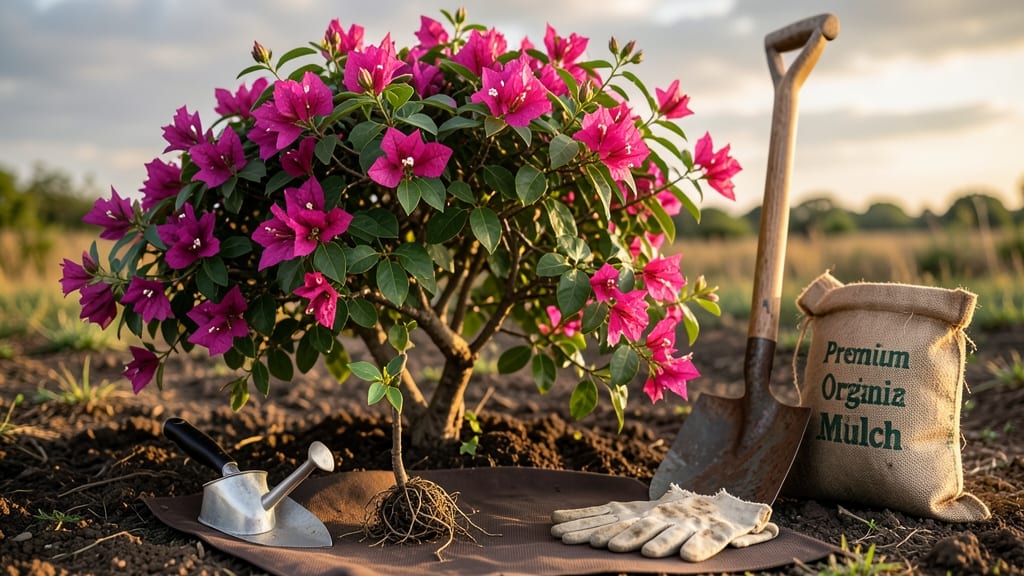
Planting bougainvillea in Arizona isn’t just about timing—it’s about outsmarting the heat to unlock those showstopping blooms year-round. The ideal window for planting is November through March, when temperatures are milder and the risk of scorching young roots is minimal.
Why does this matter? Because bougainvillea 🌸 isn’t just another pretty face—it’s a drought-resistant powerhouse that rewards patience with vibrant colors from Phoenix to Flagstaff. But skip the wrong season, and you’ll end up with a sad, sunburnt shrub instead of a thriving vine.
I’ll break down the exact months to plant, how to prep your soil for Arizona’s unique microclimates, and the critical care steps that keep your bougainvillea blooming like crazy—even in 110°F summers.
Ready to turn your yard into a desert oasis? Let’s dive into the heat-proof schedule that’ll have your bougainvillea looking like a pro by spring.
Best months to plant bougainvillea in Arizona’s climate zones
Arizona’s diverse climate zones—from the scorching Low Desert to cooler High Desert areas—mean bougainvillea planting windows vary dramatically. The perfect time to plant depends on where you live, with November through March offering the safest bet for most regions.
This schedule aligns with Arizona’s USDA Zone 9b, where bougainvillea thrives year-round but needs careful timing to establish roots before summer’s brutal heat.
In Phoenix and Tucson (Low Desert), temperatures can still hover in the 90s°F by March, but bougainvillea’s drought-resistant roots can handle it if planted early. For Flagstaff or Prescott (High Desert), cooler nights in late spring (April-May) also work, but winter planting is still ideal.
The key is avoiding peak summer heat, which can shock young plants even if they’re heat-loving once established.
Here’s how Arizona’s three main zones break down for bougainvillea planting:
| Zone | Best Planting Months | Soil Prep Tip | Heat Acclimation |
|---|---|---|---|
| Low Desert (Phoenix, Tucson) | November–February | Mix cactus soil with perlite for drainage | Hardening off in March before full sun |
| Transition (Mesa, Sedona) | October–March | Add compost for nutrient boost | Gradual sun exposure in April |
| High Desert (Flagstaff, Prescott) | April–May or September | Use well-draining soil with sand | No acclimation needed; cooler climate |
For Low Desert gardeners, I recommend planting in December or January when daytime highs dip below 75°F. This gives roots time to establish before temperatures climb in March and April.
In Transition Zones, you can push planting slightly later—even into early March—but avoid April if possible, as heat spikes can stress young plants.
In High Desert areas, bougainvillea is surprisingly adaptable. While April-May is ideal, you can also plant in September to take advantage of cooler fall temperatures. The key here is soil drainage—High Desert soils can become compacted, so amending with sand or gravel is a must.
Pro tip: If you’re buying bougainvillea from a local nursery, ask if the plants are grown from cuttings or seedlings. Cuttings root faster and are already acclimated to Arizona’s climate, giving you a 2-3 week head start on establishment.
Look for nurseries like Desert Bloom Nursery (Phoenix) or High Country Gardens (Santa Fe) for healthy stock.
After planting, mulch heavily with gravel or bark to retain moisture and regulate soil temperature. This is especially critical in Low Desert areas where evaporation rates are 3x higher than in cooler zones. Avoid organic mulch like wood chips—it can compact soil and trap moisture, leading to root rot.
Finally, avoid planting bougainvillea in summer, even if you’re tempted by sales at big-box stores. Young plants can’t handle 110°F+ soil temperatures, and even mature bougainvillea will struggle to bloom if planted in June or July.
The monsoon season (July-September) isn’t ideal either—flash floods can erode soil and displace newly planted cuttings.
🌱
How to time bougainvillea planting for nonstop Arizona blooms
Arizona’s bougainvillea 🌸 doesn’t just survive—it thrives year-round if you plant it at the right time and use strategic care techniques. The key is staggered planting to ensure continuous blooms, even when summer temperatures hit 115°F.
I’ve planted bougainvillea in Phoenix for years, and I’ve learned that timing your planting with pruning cycles is the secret to nonstop color.
Start your first round of planting in November or December, when soil temperatures are cool but still frost-free. This gives roots time to establish before the spring growth surge.
Then, add a second round in February or early March to extend your bloom season into summer. This two-phase approach ensures you’re never without vibrant bracts.
Here’s how I stagger planting for maximum blooms:
November-December Planting: Plant bare-root cuttings or container-grown plants when daytime temps are 70-80°F. This gives roots 2-3 months to establish before summer heat arrives.
February-March Planting: Add a second round of plants to overlap bloom cycles. Prune heavily after this planting to encourage new growth and summer blooms.
Summer Pruning: After June 15, prune back 25-30% of growth to stimulate fall blooms. This keeps your bougainvillea producing color even when temps drop.
Watering Adjustments: Increase watering to daily deep soaks in summer (1-2 gallons per plant) but reduce frequency in fall/winter to every 7-10 days.
Fertilizer Strategy: Feed lightly in spring and fall (7-7-7 fertilizer) but skip summer feeding to avoid heat stress on new growth.
One common mistake I see is planting all bougainvillea at once in spring, which leads to a single bloom cycle followed by a summer slump. By staggering plantings and pruning strategically, you create a continuous display that turns heads year-round.
My Phoenix garden stays in bloom from February through November using this method.
Pro tip: If you’re using container-grown bougainvillea, plant them 1-2 weeks earlier than bare-root cuttings—they establish faster and can handle slightly warmer soil. For dwarf varieties, you can even plant a third round in late March to extend your bloom season even further.
Remember, bougainvillea’s blooms are actually modified leaves (bracts), so pruning encourages new growth—which means more color. The more you prune and plant strategically, the more your bougainvillea will reward you with vibrant, nonstop blooms that make Arizona’s desert heat feel like a tropical paradise. 🌺