
Companion Plants
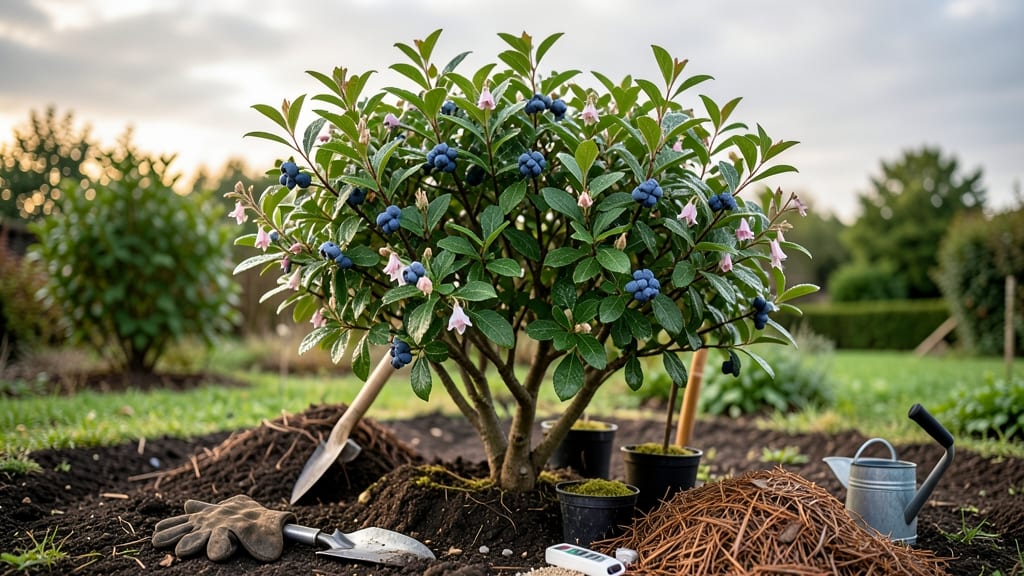
Planting your 🫐 blueberry bush at the wrong time in Pennsylvania could mean the difference between a thriving harvest and years of disappointment.
The key isn't just picking a season—it's understanding when the soil warms enough for roots to establish fast, while avoiding late frosts that can stunt new growth.
Here in zones 5b-7a, timing matters more than you might think. Spring planting in March-April gives roots a head start, but fall planting in September-October lets them settle before winter. The trick? Watching for soil temperatures above 45°F—that's when your blueberries will really take off.
I’ve seen gardeners rush planting too early, only to watch their bushes struggle through unpredictable PA weather. Whether you’re in Pittsburgh or rural farmland, the right timing ensures your blueberries grow strong and healthy from day one.
Let’s break down exactly when to plant for optimal results—so you can enjoy those sweet, homegrown berries in late June through August. Ready to get started?
Best planting windows for PA blueberries: soil temperature vs. frost dates
Blueberries thrive when planted during Pennsylvania’s two optimal windows: early spring or fall. The key isn’t just the calendar—it’s soil temperature and frost risk. For spring, aim for soil temps above 45°F and after the last frost date (usually mid-April in most of PA).
Fall planting works best in September-October, giving roots time to establish before winter dormancy.
Pennsylvania spans USDA zones 5b-7a, meaning frost dates vary dramatically. In Pittsburgh (Zone 6a), last frosts average April 15, while Philadelphia (Zone 7a) sees them by April 1.
Rural areas like Erie (Zone 5b) can wait until May 1 due to colder microclimates. Always check local frost maps before planting.
Here’s the critical rule: Never plant when soil is frozen or soggy. Blueberries hate waterlogged roots and late frost damage. Use a soil thermometer to confirm temps—45°F+ is your green light for spring planting.
For fall, plant 6-8 weeks before first frost (typically by October 1 in most regions).
| Planting Window | Soil Temp Requirement | Frost Risk | PA Regions |
|---|---|---|---|
| Early Spring (March-April) | 45°F+ | Low (after last frost) | All zones (Zone 5b-7a) |
| Fall (September-October) | 50°F+ | Moderate (before first frost) | Zones 6a-7a (earlier in 5b) |
| Late Spring (May) | 55°F+ | High (late frosts possible) | Zone 5b only (risky) |
🌱 Pro Tip: Use mulch to regulate soil temp and protect roots.
Regional differences matter. In Pittsburgh’s cooler microclimates, spring planting often starts 2 weeks later than Philadelphia due to slower soil warming. For container-grown bushes, you have more flexibility—plant anytime soil is workable, but fall is ideal for established root systems before winter.
Bare-root blueberries must be planted immediately after purchase to prevent root desiccation.
If you buy them in late winter, store them in a cool, moist location (like a refrigerator crisper drawer) until soil warms. Never let roots dry out—wrap them in damp burlap if storage exceeds 2 weeks.
Fall planting offers one major advantage: cooler temps reduce transplant shock. Roots establish slowly in fall, avoiding the heat stress of summer planting. However, avoid planting after October 15 in most of PA—roots won’t have enough time to harden off before winter.
In Zone 5b (northwest PA), push planting to early September to avoid early frosts.
Use this 3-step check before planting:
- Soil temp ≥45°F,
- No frost in forecast for 2 weeks,
- Well-draining, acidic soil (pH 4.5-5.5). Skip planting if any of these fail—patience prevents failure.
For example, planting in late April in Philadelphia risks frost damage, while early September planting in Pittsburgh gives roots time to acclimate.
Microclimates within PA can shift planting windows by 2-3 weeks. A south-facing slope warms faster than a north-facing valley, so adjust timing accordingly. Urban areas like Philadelphia often see earlier last frosts than rural Lancaster County due to the "urban heat island" effect.
Always monitor local weather and use USDA’s Plant Hardiness Tool for precision.
If you miss the ideal windows, don’t panic. Container planting extends your timeline—you can plant anytime soil is workable, even in late spring. Just harden off plants gradually and protect from late frosts with row covers. For in-ground planting, fall is the safer backup if spring passes.
Remember: Blueberries are slow to establish—rushing timing leads to stunted growth or poor fruiting for years. Take the time to prepare soil, choose the right window, and protect young plants. Your future harvests depend on it! 🫐
How to prepare blueberry bushes for PA’s unpredictable spring weather
Spring in Pennsylvania brings unpredictable frost risks that can devastate young blueberry bushes if you’re not prepared. The key to success is soil preparation and plant hardening—two steps that give your bushes a fighting chance against late freezes.
I’ve learned the hard way that even a single frost after planting can stunt root growth or kill tender new shoots.
Start by testing your soil’s pH level—blueberries thrive in acidic soil (4.5-5.5). If your soil is too alkaline, amend it with peat moss or sulfur 4-6 weeks before planting.
This gives the soil time to adjust, which is crucial for root establishment. I always mix in composted pine needles for extra acidity and organic matter.
Planting too early in March risks frost heaving, where roots freeze and expand, damaging the plant. If you must plant early, use row covers or a cloche to protect young shoots. Monitor 10-day forecasts—if frost is predicted within 2 weeks of planting, delay until soil warms to 45°F+.
For nursery plants, practice cold hardening by gradually exposing them to cooler temperatures. If you buy bare-root bushes, soak the roots for 2-4 hours before planting to rehydrate them. Container-grown plants need less prep, but still benefit from a week of acclimation outdoors before final planting.
Mulching is your best defense against temperature swings. Apply 3-4 inches of pine straw or wood chips around the base of the plant to insulate roots.
This mulch also retains moisture and slowly releases acidity as it breaks down. Avoid thick mulch piles against the stem, though—this can cause rot.
If frost strikes after planting, act fast. Cover the bush with frost cloth or a blanket and secure it with rocks or bricks to prevent wind damage.
Water the soil lightly before covering to insulate roots. Remove covers as soon as temperatures rise to avoid heat stress during the day.
Finally, choose the right blueberry variety for your region. Southern highbush varieties (like ‘Duke’ or ‘Premier’) handle PA’s heat better, while northern highbush (like ‘Bluecrop’) tolerate colder winters. I always cross-reference USDA zone maps with local nursery recommendations to pick the toughest cultivars for my microclimate.