
Companion Plants
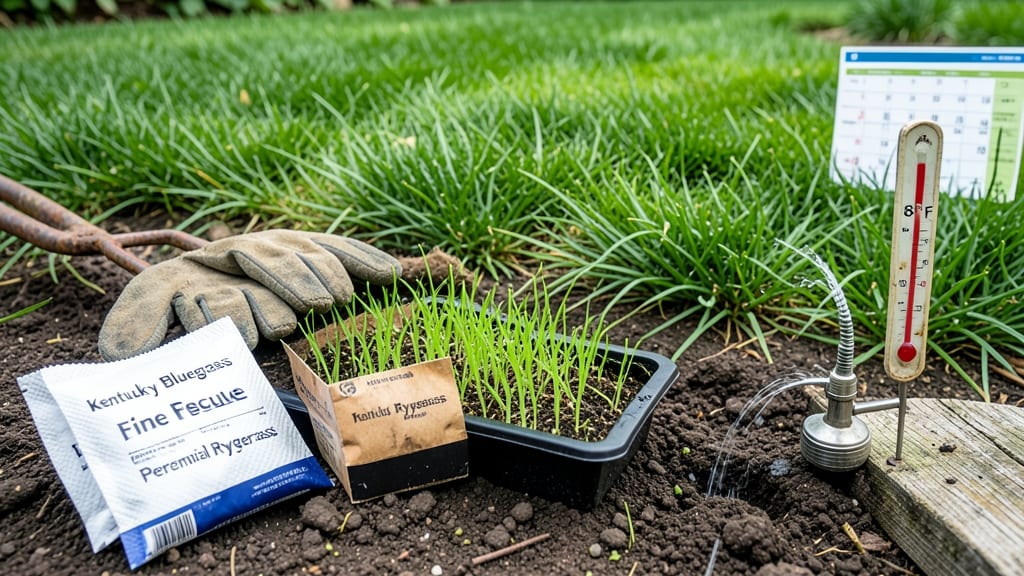
Planting grass seed in Minnesota isn’t just about grabbing a bag and scattering it—it’s about timing it perfectly to outsmart the state’s unpredictable climate.
Whether you’re in USDA Zone 3-5 or a warmer pocket of the state, getting the window right means the difference between a lush lawn and a patchy disappointment.
Most gardeners swear by early fall as the golden window—August to September—when soil temperatures hover in the ideal 50-65°F range. But spring planting (March-April) can also work if you play your cards right, especially with cool-season grasses like Kentucky bluegrass that thrive in Minnesota’s short growing season.
Here’s the game-changer: soil temperature matters more than the calendar. Digging into the dirt (literally) to check moisture and warmth is your secret weapon. I’ll walk you through the exact signs to look for—because even the best-laid plans can go sideways when frost sneaks in or summer drought sets in.
Ready to transform your yard? Let’s break down the best months, soil prep tricks, and grass varieties that actually perform in Minnesota’s tough conditions. Your perfect lawn starts with the right timing—and trust me, it’s easier than you think.
Minnesota’s optimal grass seed planting windows by month (with soil temp rules)
Timing your grass seed planting in Minnesota isn’t just about months—it’s about soil temperatures, frost risks, and regional microclimates. The primary window for cool-season grasses like Kentucky bluegrass and fine fescue is early fall, but spring planting works too if you follow the rules.
Let’s break it down by month, including the 50-65°F soil temperature triggers that make all the difference.
In northern Minnesota (USDA Zones 3-4), where winters are harsher, aim for late August to mid-September for fall planting. Southern Minnesota (Zones 4-5) can extend this window until early October.
The key is getting seeds in the ground 4-6 weeks before the first frost, which typically hits mid-October in the north and late October in the south. This gives roots time to establish before winter dormancy.
Spring planting is trickier but possible in March or early April, once soil temperatures consistently stay above 50°F. Wait until after the last frost date (mid-May) if you’re in the south, but northern areas may need to push planting to late April to avoid late-spring frosts.
Use a soil thermometer—this tool is your best friend for avoiding frost damage.
🌱 Minnesota Grass Seed Planting Guide
| Month | Soil Temp Requirement | Frost Risk | Best For |
|---|---|---|---|
| March | 45-50°F (Southern MN only) | High (late frosts) | Early spring planting (risky) |
| April | 50-55°F | Moderate | Spring planting (ideal) |
| August | 60-65°F | Low | Fall planting (primary window) |
| September | 55-60°F | Moderate (early frost risk) | Fall planting (best roots) |
If you’re planting in late summer (July-August), focus on soil moisture—Minnesota’s heat can dry out seeds before they germinate. Water deeply 2-3 times daily until germination (about 10-14 days).
For September plantings, prioritize root establishment over top growth by avoiding heavy nitrogen fertilizers. A light starter fertilizer with phosphorus (P) will encourage deeper roots before winter.
One common mistake? Planting in May or June. While soil is warm, summer drought and intense sun can stress young seedlings. If you must plant in late spring, use shade cloth for the first 2-3 weeks and water daily.
For northern Minnesota, late-summer plantings (after August 15) carry higher frost risks—stick to early fall for best results.
Pro tip: Check the National Weather Service’s Frost Probability Tool for your specific area. This free resource shows 10-day frost forecasts, helping you time plantings to avoid surprises. Pair this with a soil thermometer (available for under $15), and you’ll have a foolproof system for Minnesota’s fickle climate.
For urban lawns in cities like Minneapolis or St. Paul, microclimates can shift planting windows by 1-2 weeks. Pavement and buildings trap heat, making soil warmer in spring and delaying frost in fall.
If your lawn is near concrete, plant 2 weeks later than rural guidelines to avoid overheating seeds.
Remember: Cool-season grasses like tall fescue and perennial ryegrass thrive when planted in 50-65°F soil. If your soil is colder, wait—even a 5°F difference can delay germination by 1-2 weeks. Use black plastic mulch in early spring to warm soil faster if you’re eager to plant.
Finally, consider overseeding in early fall if your lawn is already established. This secondary planting fills thin spots and boosts density before winter. Just follow the same soil temp rules—aim for 60°F+ for best results.
5 Critical signs your Minnesota soil is ready for grass seed (beyond calendar dates)
Minnesota’s unpredictable weather means calendar dates alone won’t tell you if your soil is truly ready for grass seed. Instead, focus on these 5 key signs that your yard is primed for planting—regardless of what the thermometer says.
I’ve learned the hard way that even the "perfect" month can backfire if the ground isn’t ready.
First, check soil moisture by grabbing a handful. It should crumble easily when dry but not feel soggy—this ideal texture ensures seeds won’t rot before sprouting.
If it sticks to your hands like clay, wait a few days or till it dries out. Pro tip: Morning is the best time to test, as evening dew can skew your results.
Next, look for weed growth as a natural indicator. When weeds like dandelions and crabgrass start popping up, your soil is warming up and ready for grass seeds. These weeds thrive in 55-65°F soil, the same sweet spot for cool-season grasses.
If your yard is still bare, your soil may be too cold—even if the air feels spring-like.
🌱 Numbered Highlights: 5 Soil Readiness Signs
- 1. Moisture Test: Soil crumbles when dry but doesn’t stick (ideal for seed germination).
- 2. Weed Activity: Weeds like dandelions appear—sign of warming soil (55-65°F).
- 3. Frost-Free Forecast: Check 10-day weather for no hard frosts (<32°F).
- 4. Soil Temp Gauge: Use a soil thermometer (50-65°F is prime for cool-season grasses).
- 5. Drainage Check: Puddles disappear within 6 hours—poor drainage = seed failure.
⚠️ Warning: Planting in cold, wet soil = rot. Planting in dry, hot soil = drought stress.
Don’t ignore frost warnings, even in spring. Use the 10-day forecast as your guide—if hard frosts (<32°F) are predicted, delay planting. I once planted in early April only to watch my seeds freeze overnight. A quick check of the National Weather Service or local USDA frost maps can save you from this heartbreak.
For the soil temperature, invest in a $10 soil thermometer—it’s your secret weapon. Cool-season grasses like Kentucky bluegrass need soil temps between 50-65°F to germinate. If your readings are below 50°F, wait. Pro tip: Southern Minnesota (like Rochester) warms up faster than the Twin Cities—adjust your timing accordingly.
Finally, test drainage by pouring a gallon of water on a bare spot. If it pools for more than 6 hours, your soil is too compacted. Fix this by tilling or adding compost to improve aeration.
Poor drainage is a silent killer of grass seeds—don’t skip this step, even if everything else checks out.
When all five signs align, you’re golden. Your grass seeds will germinate faster, establish deeper roots, and outcompete weeds. And remember: early fall (August-September) often gives you the best shot at success because the soil stays warm longer, but spring planting can work if you nail these details.