
Plants
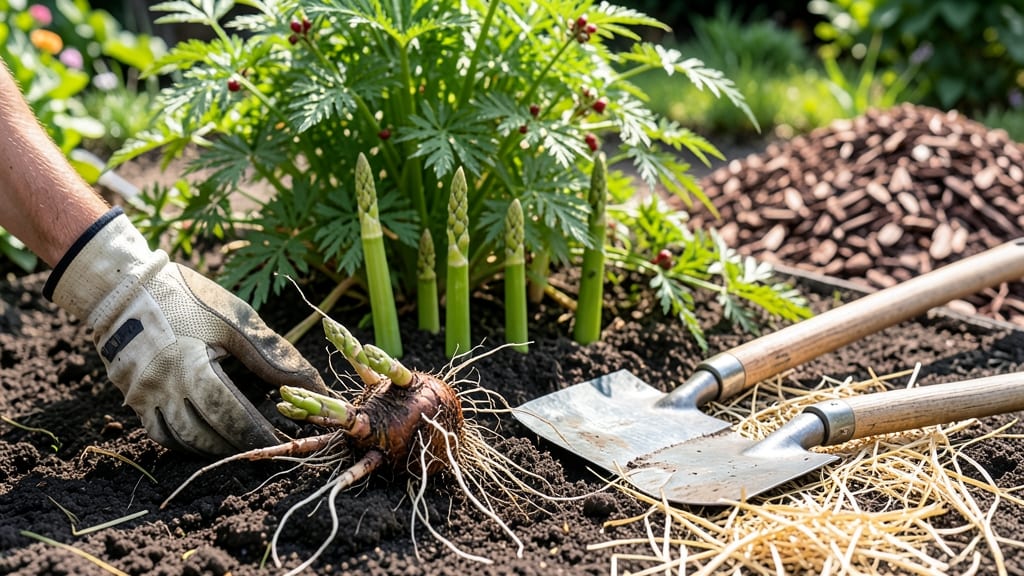
Timing your asparagus planting in Tennessee can mean the difference between a thriving garden and wasted effort—especially when frost dates and soil temperatures play such a critical role.
If you’ve ever wondered why some gardeners in USDA zones 6a-7b swear by March while others insist on waiting until April, the answer lies in understanding your local microclimate and soil readiness.
Here’s the truth: planting 🌱 asparagus too early risks frost damage to those delicate crowns, while waiting too long can leave your soil too cold for roots to establish properly. The sweet spot?
Aim for when soil temperatures hit 40°F to 50°F, a window that typically opens in early spring for most of Tennessee—but varies by elevation and last-frost dates.
What you’ll discover in this guide is how to align your planting schedule with Tennessee’s unique growing conditions, from preparing your soil to avoiding common pitfalls that trip up even experienced gardeners. Whether you’re a first-timer or a seasoned grower, these actionable steps will help you plant with confidence.
Let’s break down exactly when to get those asparagus crowns in the ground—and how to set them up for a 10-year harvest—so you can enjoy fresh spears year after year without the guesswork.
Tennessee’s best planting windows by zone (7a vs 8a)
Tennessee’s USDA zones 7a and 8a create distinct planting windows for asparagus. In zone 8a, where winters are milder, you can start planting as early as late February to March when soil temperatures hit 40°F-50°F.
Meanwhile, zone 7a gardeners should wait until mid-to-late April to avoid frost damage. The key is waiting for the ground to thaw and warm—cold soil stunts root growth.
Asparagus crowns are delicate, so timing matters. Planting too early in zone 7a risks frost heaving, while waiting too long in zone 8a delays root establishment. Use a soil thermometer to confirm temperatures before planting.
Most Tennessee regions experience their last frost around mid-March, but microclimates in valleys or higher elevations may need adjustments.
Here’s how to align your planting with Tennessee’s climate:
For zone 7a, prioritize late April planting to ensure roots establish before summer heat. In zone 8a, you can even experiment with fall planting in October—just ensure soil temps stay above 50°F for 6+ weeks post-planting.
Fall-planted crowns grow roots but won’t produce spears until the following spring.
Pro tip: Check the UT Extension’s frost data for your county. For example, Nashville (7a) averages its last frost on March 15th, while Memphis (8a) sees frost by February 28th. Adjust your timeline accordingly. Always plant 1-2 weeks after the last frost date to be safe.
If you’re unsure about your zone, use the USDA Plant Hardiness Zone Map and cross-reference with Tennessee’s microclimate variations. For instance, elevations above 1,000 feet in the Appalachians may mimic zone 6b conditions, requiring even later planting.
Remember, asparagus is a perennial crop that takes 2-3 years to mature. Planting at the right time ensures you’ll enjoy harvests for 10-15 years. Don’t rush—patience in planting pays off with juicy, homegrown spears every spring.
For extra protection, consider raising beds slightly to improve drainage and warmth. This is especially helpful in clay-heavy Tennessee soils, which can stay cold longer. Add compost or aged manure to beds 2-3 weeks before planting to jumpstart soil warming.
🌱
Tennessee’s best planting windows by zone (7a vs 8a)
If you’ve ever wondered why your neighbor in Nashville (Zone 7a) plants asparagus in April while someone in Memphis (Zone 8a) starts in March, the answer lies in Tennessee’s frost-free windows and soil temperature triggers.
The key to success? Planting when your soil hits 40°F to 50°F—a window that shifts by 2-3 weeks between these zones.
In Zone 8a (warmer southern Tennessee), last frost typically occurs by mid-March, making early March planting ideal if your soil warms quickly. Meanwhile, Zone 7a gardeners should wait until late March to early April to avoid frost damage to those delicate crowns.
This isn’t just guesswork—it’s about matching your planting schedule to your local USDA zone and microclimate.
Here’s the critical difference: Zone 8a soils often reach 50°F by early March, while Zone 7a soils may still be hovering around 40°F until mid-April.
Planting too early in Zone 7a risks frost-heaving (when soil freezes and pushes crowns out of the ground), while waiting too long in Zone 8a means missing the optimal root-establishment window.
| Zone | Last Frost Date | Optimal Planting Window | Soil Temp Trigger | Risk if Planted Too Early |
|---|---|---|---|---|
| Zone 7a (Nashville, Knoxville) | Mid-March | Late March - Early April | 40°F - 50°F | Frost damage to crowns |
| Zone 8a (Memphis, Chattanooga) | Early March | Early March - Mid-April | 40°F - 50°F | Missed root establishment |
Pro tip: Use a soil thermometer to check temperatures at a 4-inch depth—this is where your asparagus roots will thrive. If your soil is still below 40°F, wait another week.
And remember, fall planting is a no-go in Tennessee; asparagus crowns need the full growing season to establish before winter.
For gardeners in transition zones (like those in the Cumberland Plateau), err on the side of caution. If you’re unsure whether your area falls into Zone 7a or 8a, check the UT Extension’s frost maps or plant a test crop of cold-hardy radishes to gauge your soil’s readiness.
Timing isn’t just about the calendar—it’s about listening to your soil.
Once you’ve nailed down your planting window, the next critical step is soil preparation. Tennessee’s clay-heavy soils need extra attention to drainage and organic matter, or your asparagus crowns will struggle to thrive.
We’ll cover that in the next section—plus, how to choose the right crowns and avoid the top 3 mistakes Tennessee gardeners make when planting asparagus.