
Plants
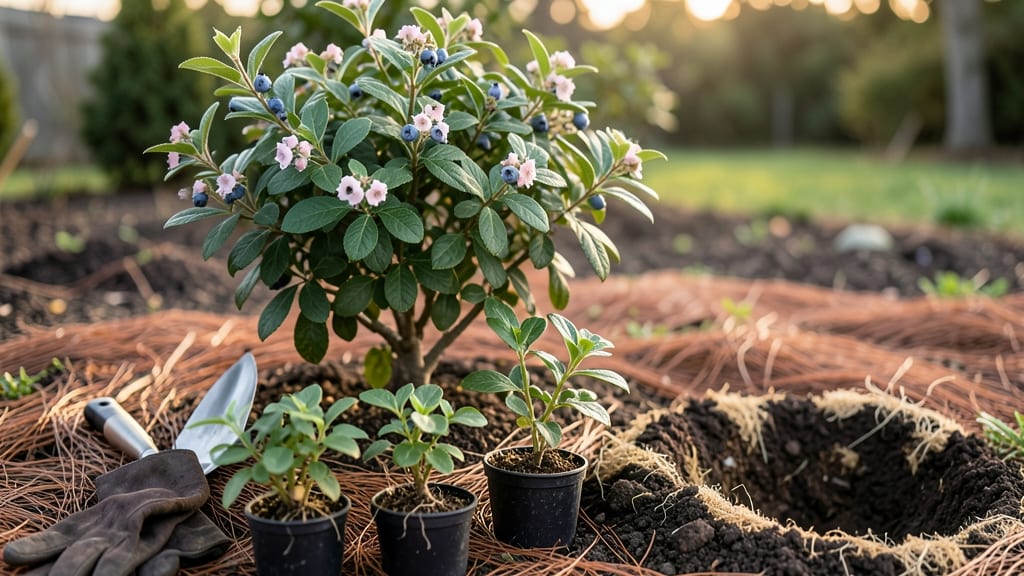
Planting your 🫐 blueberry bush at the wrong time in Mississippi can mean the difference between a thriving harvest and struggling plants. The key window for planting blueberry bushes in Mississippi is late winter to early spring, when the soil warms but frost risks still linger.
Why does timing matter so much? Mississippi’s 7b-9a climate brings unpredictable frost patterns, and planting too early can stress young roots. But don’t wait too late—once the heat sets in, your blueberry bush may struggle to establish itself before summer’s peak.
In this guide, I’ll break down the exact months to plant, how to prep your soil for Mississippi’s acidic needs, and whether bare-root or container-grown bushes give you the edge. Get it right, and you’ll be enjoying homegrown berries by May or June.
Let’s dive into the perfect planting strategy so your blueberry bush thrives from day one—no guesswork, just results.
Best planting window for blueberry bushes in Mississippi: late winter to early spring explained
Mississippi’s humid subtropical climate creates a perfect environment for blueberry bushes, but getting the planting timing right is critical. Unlike northern states, Mississippi’s mild winters and long growing season allow for a broader window—but frost risks still exist.
The ideal time to plant is between December and early March, when soil temperatures are cool but not frozen.
Blueberries need chilling hours (300-900 hours below 45°F) to set fruit properly. Mississippi’s USDA Zones 7b-9a provide enough chill, but planting too early (before soil temps reach 40°F) can stress roots. Conversely, waiting until late March or April risks summer heat stress before roots establish.
Here’s how Mississippi’s frost-free dates (typically mid-March) influence planting: Bare-root bushes planted in December-February have 6-8 weeks to establish roots before active growth. Container-grown plants can handle early spring planting (February-March) with minimal transplant shock.
| Planting Window | Soil Temp Requirement | Mississippi Risk | Best For |
|---|---|---|---|
| December-February | 40-50°F (4-10°C) | Low frost risk (dormant season) | Bare-root plants |
| February-March | 50-60°F (10-15°C) | Moderate frost risk (early spring) | Container-grown plants |
| March-April | 60-70°F (15-21°C) | Low frost risk (post-last frost) | All planting types |
For Mississippi gardeners, I recommend prioritizing December-January planting for bare-root bushes. This gives roots 8-10 weeks to establish before spring growth begins. If you’re using container-grown plants, February-March works well—just avoid planting after mid-March in northern Mississippi (Zones 7b-8a) to prevent heat stress.
Pro tip: Check your local frost-free date (typically March 15 in most of MS). Planting 4-6 weeks before this date ensures roots establish before active growth. Use a soil thermometer to confirm temps are above 40°F at 6 inches deep—this is your green light to plant.
Southern Mississippi (Zones 8b-9a) has a longer frost-free season, so you can safely plant until early April. However, avoid planting after April 15 anywhere in the state, as summer heat will stress young plants before they establish.
One common mistake I see is planting too late in spring. Blueberries planted in May or June often struggle with establishment and may not produce fruit for 2+ extra years. Always aim for dormant-season or early-spring planting to maximize success.
If you’re unsure about your local microclimate, observe nearby azalea bushes—they thrive in similar conditions. When azaleas bloom (typically February-March in MS), it’s a sign your blueberries are ready for planting.
For container growers, February-March is ideal because potted plants can handle slightly warmer soil temps. Just ensure containers have drainage holes and use well-draining soil mixes with peat moss to mimic acidic forest conditions.
Mississippi-specific factors that change blueberry planting timing
Mississippi’s USDA Hardiness Zones 7b-9a create unique challenges for blueberry planting. Unlike northern states, our humid subtropical climate means longer growing seasons but also earlier frost risks in some regions.
For example, North Mississippi (Zone 7b) faces harsher winters than South Mississippi (Zone 8a-9a), which may experience milder winters with fewer frost days.
In Zone 7b (North MS), late winter planting (February-March) is ideal to avoid early spring frosts that can damage tender roots. Meanwhile, Zone 8a-9a (South MS) gardeners have a slightly extended window, often planting as late as April without frost concerns.
This regional difference means you must check your local last frost date—typically March 15 in North MS but often February 28 in South MS.
Another critical factor is container growing. Container-grown blueberries can be planted earlier or later than bare-root plants because their roots aren’t exposed to soil temperature fluctuations.
This flexibility lets you plant as early as October (for fall dormancy establishment) or as late as May (for summer-bearing varieties), though early spring remains optimal for most gardeners.
🌱 Humidity levels in Mississippi also play a role. High humidity can increase fungal diseases like botrytis, so planting in drier late winter months (January-February) reduces early-season risks.
Additionally, soil moisture retention varies by region—sandy soils in the Delta dry out faster than clay-heavy soils in the hills, affecting watering schedules post-planting.
| Region | USDA Zone | Best Planting Window | Key Consideration |
|---|---|---|---|
| North Mississippi | 7b | February-March | Avoid early spring frosts |
| Central Mississippi | 8a | February-April | Transition zone; check local frost dates |
| South Mississippi | 8a-9a | March-April | Milder winters; extended window |
| Container-Grown | All Zones | October-May | Flexible timing; protect from extreme temps |
If you’re planting in North Mississippi (Zone 7b), prioritize acclimated varieties like ‘Climax’ or ‘Bluecrop’, which tolerate colder winters. For South Mississippi (Zone 8a-9a), heat-tolerant varieties such as ‘Southern Highbush’ or ‘Premier’ thrive better. Always choose dwarf or semi-dwarf varieties for easier harvesting and container growing.
Finally, microclimates matter. Even within a city like Jackson, urban heat islands can delay frost, while rural areas may freeze earlier. Observe your yard’s frost patterns for 2-3 years before planting to fine-tune your timing.
Planting near southeast-facing walls or windbreaks can also extend your effective growing season by 2-3 weeks.
🌿 For container growers, remember that potted blueberries need winter protection in Zone 7b. Use insulated planters or move containers to sheltered spots during hard freezes. This extra care lets you push planting windows earlier or later than traditional in-ground schedules.