
How To
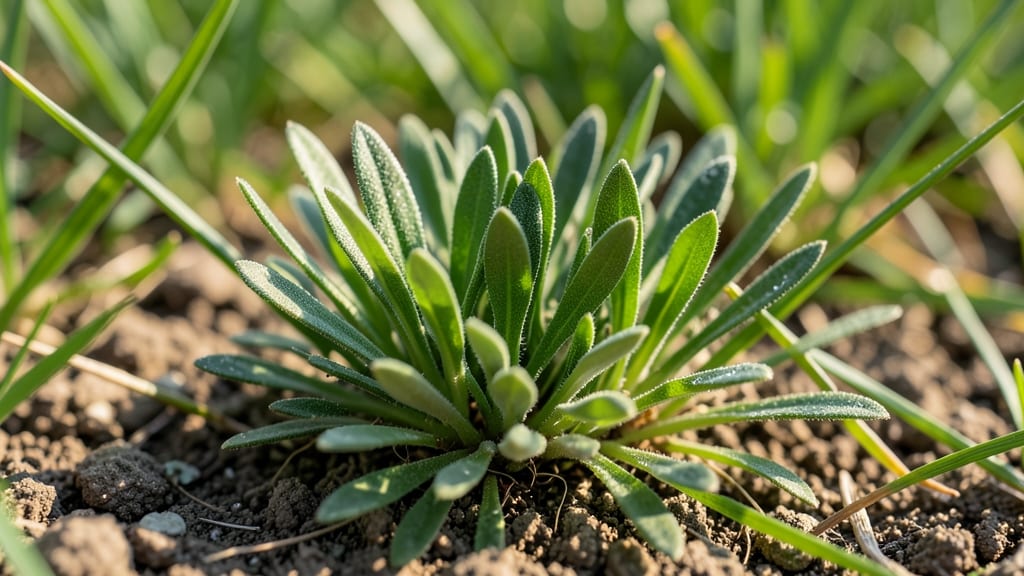
Timing your Centipede Grass seed planting in North Carolina could make or break your lawn's success—especially when late spring heat rolls in faster than you expect. This hardy grass thrives in Zones 7a-8b, but planting too early risks frost damage, while waiting too long means battling summer's intensity.
The sweet spot? Late May to early June, when soil warms but extreme heat hasn't yet arrived.
Why does this window matter so much? Centipede Grass 🌱 germinates best in 70-75°F soil temperatures, which North Carolina typically hits by mid-May. Planting before then leaves seedlings vulnerable to cold snaps, while delaying past June risks heat stress and poor establishment.
The key is reading your local microclimate—coastal areas may be ready earlier than inland Piedmont regions.
Don't let perfect timing stress you out. I'll walk you through exactly how to prep your soil, choose the right seed variety, and protect your new grass from North Carolina's infamous summer heat.
With these practical steps, you'll be well on your way to a lush, low-maintenance lawn that handles our region's challenges like a pro.
The best part? Once established, Centipede Grass needs far less water than other varieties—making it the perfect choice for busy homeowners. Let's get your planting schedule locked in before summer hits full force.
Optimal planting dates for centipede grass seed in NC’s climate Zones
North Carolina’s diverse climate—from the humid Coastal Plain to the cooler Mountains—means centipede grass seed planting windows vary by region. The key is timing seed sowing for 60-70°F soil temperatures and avoiding late spring heat stress that can scorch young seedlings.
In most of NC, this lands between mid-May and early June, but let’s break it down by zone.
For Coastal NC (Zones 8a-8b), where summers arrive early, aim for late April to mid-May. The warmer soil warms up faster, but don’t rush—wait until nighttime temps stay above 55°F consistently.
In the Piedmont (Zones 7b-8a), the sweet spot is mid-May to early June, aligning with peak rainfall and cooler mornings that protect tender sprouts.
The Mountains (Zones 6b-7a) have a shorter window: late May to early June. Cooler nights and slower soil warming mean seedlings take longer to establish, so prioritize well-draining soil and morning watering to prevent fungal issues.
Pro tip: Use a soil thermometer—centipede grass seed won’t germinate well below 60°F.
| NC Climate Zone | Ideal Planting Window | Soil Temp Threshold | Key Risk |
|---|---|---|---|
| Coastal Plain (8a-8b) | Late April–Mid-May | 60–70°F | Early heat stress |
| Piedmont (7b-8a) | Mid-May–Early June | 65–70°F | Fungal growth in humidity |
| Mountains (6b-7a) | Late May–Early June | 60–65°F | Slow germination |
Missed the window? August is your backup month in Coastal NC, but avoid planting after July 15 in the Piedmont or Mountains—seedlings won’t have enough time to root before winter.
If you’re in doubt, check the NC State Extension’s frost date maps and wait 4–6 weeks after the last frost before sowing.
One more pro tip: Centipede grass thrives in acidic soil (pH 5.0–6.0). Test your soil before planting—if it’s alkaline, amend with sulfur or peat moss 4–6 weeks ahead. This gives microbes time to adjust the pH naturally, so your seedlings don’t struggle from day one.
Timing isn’t just about the calendar—it’s about soil readiness. In the next section, we’ll cover how to tell if your NC soil is truly ready for centipede grass seed, including moisture checks and heat warnings.
Don’t skip this step—it’s the difference between a lush lawn and a struggling patch.
Optimal planting dates for centipede grass seed in NC’s climate Zones
North Carolina’s diverse climate means your centipede grass planting window varies by region—from the humid coastal plains to the cooler mountain valleys. The ideal planting window spans late May through early June, when soil temperatures hit that sweet 70-75°F range for germination.
But timing isn’t one-size-fits-all: coastal areas like Wilmington may start as early as mid-May, while the mountains near Asheville might wait until late June.
Why the difference? Coastal regions warm faster, while inland areas stay cooler longer. Soil temperature, not air temperature, determines success—use a soil thermometer to confirm readiness.
Planting too early risks frost damage, while waiting too late means battling summer’s intensity. The goal? Seedlings should establish before July’s peak heat arrives.
Here’s how to match your region to the perfect planting window:
🌱 North Carolina Centipede Grass Planting Guide
| Region | Climate Zone | Optimal Planting Window | Soil Temp Threshold |
|---|---|---|---|
| Coastal Plains | 7b-8a | Mid-May to early June | 70-75°F |
| Piedmont | 7a-7b | Late May to mid-June | 72-78°F |
| Mountains | 6b-7a | Late June to early July | 75-80°F |
⚠️ Pro Tip: Coastal areas may need shade cloth if planting in June to prevent heat stress.
If you miss the ideal window, don’t panic. August planting is still possible in most zones, but prioritize shade protection and frequent watering. The key is ensuring seedlings have 4-6 weeks of warm weather to establish roots before winter arrives.
For mountain regions, late June planting gives young grass enough time to harden off before cooler autumn temperatures set in.
Once you’ve locked in your planting date, focus on soil prep. Centipede grass thrives in slightly acidic soil (pH 5.0-6.0) and tolerates poor drainage better than most grasses.
Work in compost or peat moss to improve texture, and avoid heavy clay soils unless amended. A well-prepared seedbed is half the battle for a thick, healthy lawn.
Remember: Patience pays off. Centipede grass germinates slowly—expect 14-21 days for sprouts to appear. During this time, keep soil consistently moist (not soggy) to encourage strong root development. With the right timing and care, you’ll have a low-maintenance lawn that outshines high-water grasses like Bermuda or St. Augustine.