
Companion Plants
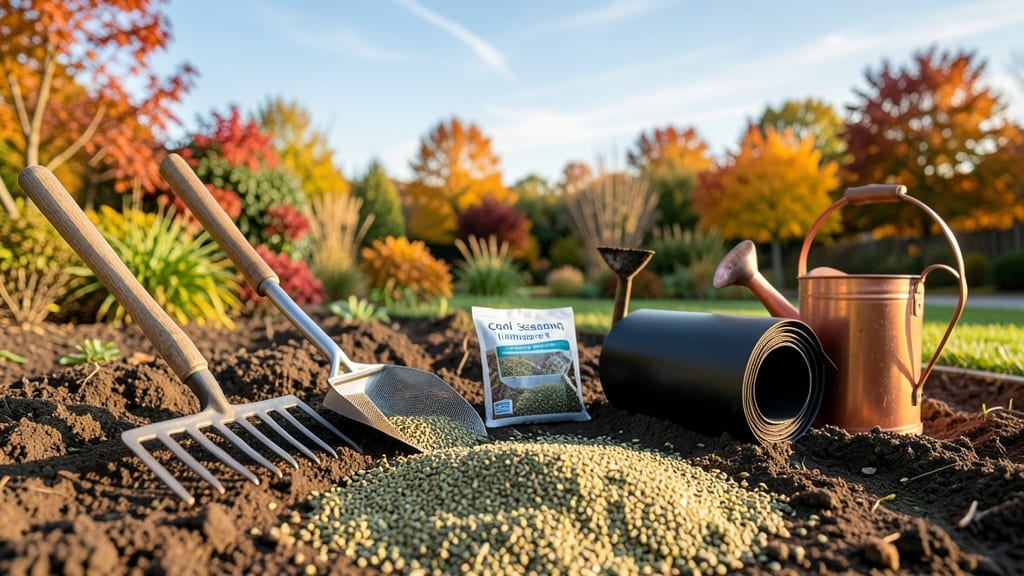
Planting grass seed in Michigan at the wrong time can leave you staring at patchy lawns for months—but getting the timing right means lush, thick coverage in just 30 days.
The key isn’t just picking a season; it’s understanding how Michigan’s 5b-6b climate zones and unpredictable frost dates (mid-April to mid-October) dictate success.
Most gardeners assume spring is the only window, but late summer actually offers cooler soil temperatures and fewer weeds—both critical for strong root establishment.
I’ll break down exactly when to plant in your specific region, whether you’re in the Upper Peninsula or southern Michigan, so you avoid the two biggest mistakes: planting too early (and risking frost damage) or too late (and missing the germination window).
You’ll also discover the ideal soil temperature range (50–65°F) for planting, how to prep your yard for either season, and why some months (like May or October) are surprisingly risky. Let’s turn your lawn dreams into reality—without the guesswork.
By the end, you’ll know not just when to plant, but how to set your grass up for year-round resilience, even when Michigan’s weather throws curveballs. Ready to grow that perfect green carpet? Let’s get started.
Michigan grass seed planting timeline: best months for early spring vs late summer success
Michigan’s USDA zones 5b-6b create a unique challenge for lawn lovers—cool springs and warm summers demand precise timing to avoid frost damage or heat stress. The ideal soil temperature for grass seed germination is between 50–65°F, making early spring and late summer the sweet spots for planting.
In southern Michigan, where frost typically lifts by mid-April, you can start as early as late March if soil temps stay above 50°F. Meanwhile, the Upper Peninsula often waits until May due to later frost risks.
For late summer, aim for August–early September to give seeds time to establish before first frost (usually mid-October).
Here’s how Michigan’s two main planting windows compare:
| Season | Best Months | Soil Temp | Pros | Cons |
|---|---|---|---|---|
| Early Spring | March–April | 50–60°F | Warmer soil speeds germination; fewer weeds | Frost risk in UP; slower growth in cool temps |
| Late Summer | August–September | 60–65°F | Longer daylight; established roots before winter | Weed competition; drought stress if dry |
For northern Michigan, delay spring planting until after May 15 to avoid late frosts. In southern Michigan, you can push spring planting to early May if soil temps stay ideal. Late summer is more forgiving—just ensure seeds get 1–1.5 inches of water weekly to combat summer dryness.
Grass types also play a role: Cool-season grasses (like Kentucky bluegrass or fescue) thrive in spring, while warm-season grasses (like Bermuda or zoysia) prefer summer. Michigan’s mix of both means most homeowners opt for cool-season varieties planted in spring or fall.
Pro tip: Use a soil thermometer to check depths of 2–4 inches. If temps drop below 50°F at night, delay planting. For fastest results, combine spring planting with a pre-emergent herbicide to block weeds.
Timing isn’t just about months—it’s about microclimates. A south-facing lawn warms faster than a north-facing one, so adjust accordingly. Always plant 2–3 weeks before your area’s last frost date for best success.
Remember, fall planting (late August–September) often yields the thickest lawns because cooler temps reduce weed pressure and seeds establish before winter. If you miss spring, don’t wait until summer—heat stress can kill young seedlings.
For Upper Peninsula gardeners, extend your window to late May–June for spring planting, as frost risks linger longer. In southern Michigan, you can even squeeze in a November planting if soil temps stay above 50°F—just cover seeds with straw to protect from early cold snaps.
Michigan grass seed planting timeline: best months for early spring vs late summer success
Michigan’s 5b-6b climate zones create two distinct windows for planting grass seed: early spring (March–April) and late summer (August–September). Each offers unique advantages—spring gives cooler air temps but risks lingering frost, while summer provides warmer soil but demands extra weed control.
For southern Michigan, aim for planting between March 15 and April 15 in spring, when soil temps hit 50–65°F. In the Upper Peninsula, wait until mid-April to early May to avoid late frosts.
Late summer planting (August 1–September 15) works best when daytime highs stay below 85°F to prevent seed dehydration.
🌱
| Season | Best Months | Soil Temp | Key Advantages | Risks |
|---|---|---|---|---|
| Spring | March–April | 50–65°F | Cooler air, fewer weeds, faster germination | Late frosts, compacted soil |
| Late Summer | August–September | 60–75°F | Warmer soil, established weeds die back | Hot/dry spells, weed competition |
| Avoid | May–July | N/A | Extreme heat, drought stress | Poor germination rates |
My top recommendation for Michigan gardeners is late summer planting—it’s when I’ve seen the most consistent results in my own yard. The warmer soil (60–75°F) promotes faster germination, and weeds are less aggressive after summer’s peak. Plus, newly seeded grass has 6–8 weeks to establish roots before winter.
For spring planting, focus on late March to mid-April in southern Michigan or mid-April to early May in the UP. Use a soil thermometer to confirm temps—if they dip below 50°F, wait.
I’ve seen too many gardeners rush planting in March only to watch their seed wash away in heavy rains or freeze overnight.
Regardless of season, watering consistency is critical. New grass needs ½ inch of water weekly (morning applications only) for the first 3 weeks to prevent crusting. Skip the lawnmower until the grass reaches 3–4 inches tall—this protects delicate roots.
☀️