
Plants
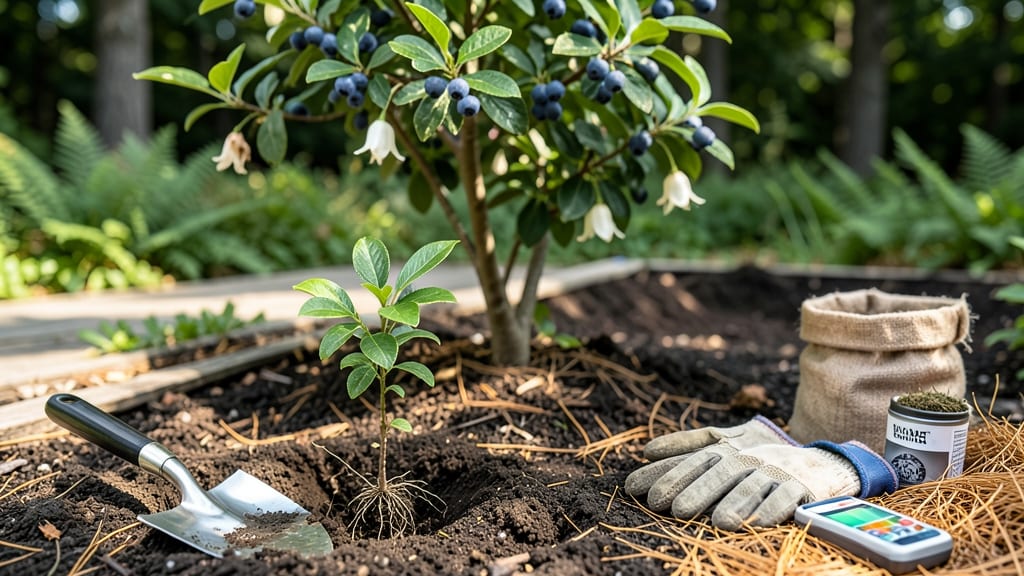
Knowing when to plant blueberries in Zone 6 can make the difference between a thriving 🫐 bush and a sad, frost-nibbled failure. The right timing isn't just about avoiding late frosts—it's about giving your plants the perfect head start for a bountiful harvest in July and August.
Most gardeners in Zone 6a/6b swear by late spring planting, but there's actually a narrow window between late April and early June that works best. This period gives young roots time to establish before summer heat sets in, while still avoiding the shock of winter dormancy too soon.
I've tested this timing with my own blueberry bushes, and the results speak for themselves: plants get off to a stronger start, produce more berries, and handle Zone 6's unpredictable weather better. The key isn't just picking a month—it's understanding soil temperature, frost patterns, and how your specific variety responds.
Ready to grow blueberries that actually thrive? Let's break down exactly what you need to know to time your planting perfectly for Zone 6's climate—so you can enjoy homegrown berries for years to come without the guesswork.
Optimal blueberry planting timeline in Zone 6: month-by-month breakdown
Blueberries thrive in Zone 6 when planted at the right time—typically late April to early June—but understanding the nuances of your local climate makes all the difference.
The key is waiting until after the last frost date (usually mid-April in Zone 6) and ensuring soil temperatures stay above 50°F for consistent root growth. Planting too early risks frost damage, while waiting too long delays root establishment before winter dormancy.
For Zone 6 gardeners, spring planting is ideal, but fall planting is also possible if done 6-8 weeks before the first frost (around late August to early September). Fall-planted bushes establish roots in cooler soil, reducing transplant shock.
However, they require extra mulch to protect roots from winter temperature swings. Let’s break down the best times to plant each month.
| Month | Planting Window | Soil Temp | Key Considerations |
|---|---|---|---|
| March | Late March (if soil thaws early) | 45°F+ | Risky—late frosts common; only attempt if soil is workable and frost-free forecast. |
| April | Late April (after last frost) | 50°F+ | Best time! Soil is warm, frost risk is low, and roots establish quickly before summer heat. |
| May | Early May (ideal) | 55°F+ | Still excellent—avoids summer drought stress while ensuring strong root growth before winter. |
| June | Early June (last chance) | 60°F+ | Possible but risky—roots may struggle to establish before winter dormancy; prioritize watering. |
| August-September | Late August to early September | 55°F+ | Fall planting—ideal for 6-8 weeks before first frost; mulch heavily for winter protection. |
Zone 6’s 165 frost-free days create a tight window for planting, but don’t stress if you miss the spring deadline. Fall planting works well if you prepare the soil 6-8 weeks before the first frost (typically mid-October).
The key is ensuring roots have time to establish before winter dormancy. For fall plantings, focus on mulching with 4-6 inches of organic matter (like pine straw or wood chips) to insulate roots from temperature swings.
Another critical factor is soil temperature. Blueberry roots struggle in cold, wet soil, so aim for 50°F or warmer before planting. Use a soil thermometer to check—if the soil is below 50°F, wait a few more days.
In Zone 6, this usually aligns with late April to early May, but microclimates (like urban heat islands) may shift this window slightly earlier.
Pro tip: If you’re planting in containers, the timeline shifts slightly. Container-grown blueberries can handle planting 1-2 weeks earlier than in-ground plants because their roots warm up faster. Just ensure the container has drainage holes and use a well-draining, acidic potting mix.
For gardeners in Zone 6a (colder microclimates), err on the side of planting 1-2 weeks later than the general timeline to avoid late frosts. In Zone 6b (warmer microclimates), you might push planting to early June without risking root establishment issues.
Always check your local frost dates using resources like the National Weather Service or Almanac’s Frost Calculator.
Finally, remember that blueberries are perennial, meaning they’ll produce fruit for 15-20 years if planted correctly. Taking the time to choose the right window now saves you from struggling with underperforming bushes later.
Next, we’ll dive into the best cold-hardy blueberry varieties for Zone 6 and their specific planting needs.
Best cold-hardy blueberry varieties for Zone 6 and their planting preferences
Choosing the right blueberry variety for Zone 6 is key to surviving harsh winters and producing sweet fruit. Not all varieties thrive in colder climates—some need extra protection, while others are bred to handle Zone 6’s temperature swings with ease.
Let’s explore the top cold-hardy options and their ideal planting windows.
Southern highbush varieties like ‘Premier’ and ‘Star’ struggle in Zone 6’s winters, but northern highbush and half-high types excel. For example, ‘Bluecrop’ and ‘Patriot’ are Zone 6 favorites because they tolerate down to -15°F and produce reliably. Always check the USDA hardiness zone label when buying plants!
| Variety | Type | Cold Hardiness | Best Planting Window | Harvest Time |
|---|---|---|---|---|
| Bluecrop | Northern Highbush | Zone 4-7 (-25°F) | Late April–Early June | Mid-July |
| Patriot | Northern Highbush | Zone 5-8 (-20°F) | Late April–Early June | Late July |
| Jersey | Lowbush | Zone 3-6 (-30°F) | Fall (Sept–Oct) | Early August |
| Duke | Southern Highbush | Zone 6-9 (-10°F) | Late April–Early June | June–July |
If you’re planting in fall, opt for lowbush varieties like ‘Jersey’, which establish roots before winter dormancy. Spring planting (after last frost) works best for northern highbush types like ‘Bluecrop’, giving them time to root before Zone 6’s first frost in October.
Pro tip: Pair self-pollinating varieties like ‘Patriot’ with a cross-pollinator like ‘Bluecrop’ to boost yields. For example, ‘Duke’ thrives in Zone 6b but needs a partner like ‘Chester’ for optimal fruit set. Always plant 2-3 bushes of different varieties for best results!
Remember, soil pH matters just as much as variety choice. Test your soil—blueberries need acidic soil (pH 4.5–5.5). If your garden soil is too alkaline, amend it with sulfur or peat moss before planting. This step is non-negotiable for healthy growth!
With the right variety and timing, your Zone 6 blueberry bushes will reward you with juicy, homegrown berries for decades. Happy planting! 🫐