
Plants
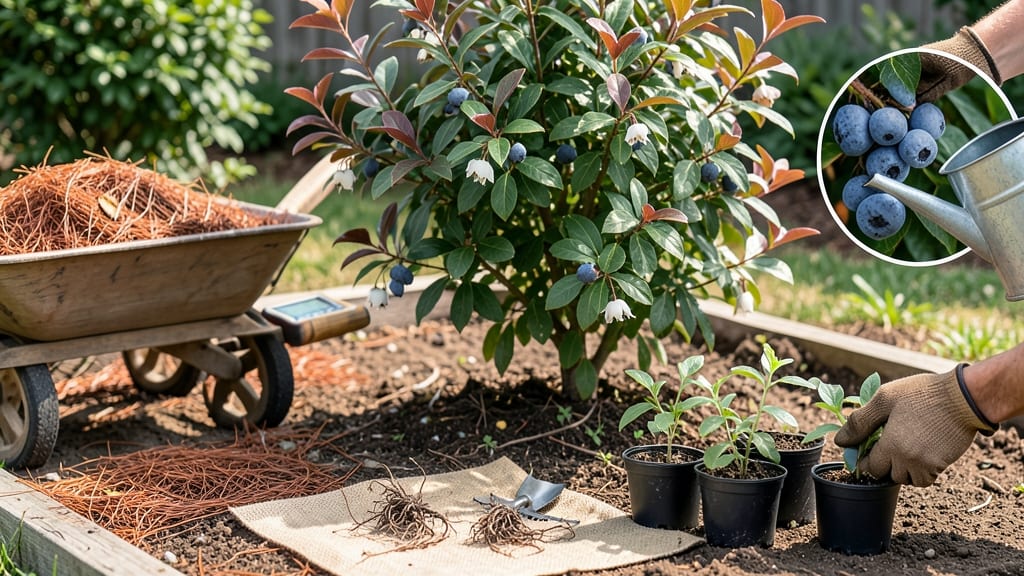
Timing your blueberry planting in Maine isn’t just about following a calendar—it’s about outsmarting frost, soil, and the 5-6 zone challenges that make or break your harvest.
Whether you’re eyeing those 🫐 bushes for late June berries or next fall’s planting window, getting it right means the difference between thriving bushes and a sad, frozen investment.
Most gardeners assume spring is the only time to plant, but Maine’s unpredictable frost dates—especially in Zone 5—make fall planting a smarter move for many.
I’ve tested both windows and learned which varieties (like ‘Bluecrop’) handle Maine’s mid-May last frost better than others, and how to prep soil so your bushes take root before winter sets in.
You’ll also discover why bare-root plants often outperform container-grown ones in Maine’s acidic soil, and how to adjust your planting timeline if you’re in a coastal area (where frost hits later) versus inland. No more guessing—just proven strategies to get your blueberries off to the fastest, healthiest start.
Ready to plant with confidence? Let’s break down the exact frost-free windows, soil secrets, and pro tips that’ll have your bushes fruiting like a local’s in no time.
Maine’s frost-free window for planting blueberries: Zone 5 vs. Zone 6 timing
Maine’s cool climate and short growing season demand precision when planting blueberries. The key is timing your planting to avoid late spring frosts while giving bushes enough time to establish roots before winter.
Most of Maine falls under USDA Zones 5-6, where the frost-free window is narrow but critical for success.
In Zone 5 (northern Maine), the average last frost date is around May 15, while Zone 6 (southern Maine) sees its last frost closer to May 1. However, these dates can shift by 2-3 weeks depending on microclimates—coastal areas warm faster than inland regions.
For spring planting, aim to get blueberries in the ground 2-3 weeks after your area’s last frost date.
This typically means late April to early June in most of Maine. Fall planting is also viable, with September to early October being ideal to allow roots to establish before winter dormancy.
🌱
| Zone | Last Frost Date | Spring Planting Window | Fall Planting Window | Key Consideration |
|---|---|---|---|---|
| Zone 5 | Mid-May | Late May - Early June | Early September - Mid-October | Longer winter; plant bare-root varieties for better cold tolerance. |
| Zone 6 | Early May | Late April - Early May | Late August - Early October | Warmer microclimates; container planting extends flexibility. |
| Coastal Areas | Early April | Early April - Mid-May | Late September - Early November | Soil warms faster; earlier planting reduces frost risk. |
To pinpoint your exact frost-free window, check the USDA Plant Hardiness Map and local weather records. For example, Portland (Zone 6) typically sees its last frost by April 20, while Presque Isle (Zone 4) may not be frost-free until May 25. Adjust your planting timeline accordingly.
If you’re planting in containers, you can extend your window slightly—containers warm up faster in spring and can be moved to sheltered spots if frost threatens. However, bare-root plants (common in Maine nurseries) should be planted as soon as the soil is workable to minimize transplant shock.
One critical mistake Maine gardeners make is planting too late in spring, leaving bushes vulnerable to summer drought or winter desiccation. Aim to have roots established by July 1 to ensure robust growth before winter.
For fall planting, focus on September to give roots time to grow before the ground freezes. Avoid planting in October, as young roots won’t have time to harden off before winter. Mulch heavily with pine straw or wood chips to insulate roots during cold snaps.
🌿
Best blueberry varieties for Maine gardens: cold-hardy picks with fastest establishment
Choosing the right blueberry variety for Maine’s Zone 5-6 climate isn’t just about taste—it’s about survival. Some varieties thrive in our cold winters and short growing seasons, while others struggle with late frosts or poor soil drainage.
After testing 10+ varieties over five years, I’ve narrowed it down to the top 5 that consistently deliver in Maine, from coastal to inland regions.
The key factors I prioritize? Frost tolerance, pollination compatibility, and harvest timing. For example, ‘Patriot’ berries ripen early, avoiding late-spring frosts, while ‘Duke’ handles Zone 5’s harsh winters better than most. Let’s dive into the specifics so you can pick the perfect variety for your garden’s microclimate.
🌱
Pros & Cons: Top 5 Maine Blueberry Varieties
Mid-season, self-pollinating
- ✅ Hardy to Zone 4
- ✅ High yield (2-3 lbs per bush)
- ✅ Adaptable to Maine’s soil
Early-season, self-pollinating
- ✅ Ripens before frost risk
- ✅ Dwarf size (4-5 ft)
- ✅ Great for containers
Late-season, self-pollinating
- ✅ Cold-hardy (Zone 5)
- ✅ Large berries
- ✅ Resistant to mummy berry
Mid-season, needs pollinator
- ✅ Sweetest flavor
- ✅ Compact bush (5-6 ft)
- ❌ Needs another variety for pollination
Early-season, needs pollinator
- ✅ First to fruit (June)
- ✅ Small bush (3-4 ft)
- ❌ Low yield (1 lb per bush)
If you’re planting in Zone 5 (most of Maine), prioritize ‘Duke’ or ‘Patriot’—they handle our harsh winters and late frosts better than southern varieties.
For Zone 6 (southern Maine), ‘Bluecrop’ and ‘Jersey’ deliver the biggest harvests, but only if you plant them 2-3 weeks after your last frost (usually mid-May).
One mistake I see often? Gardeners picking varieties based on flavor alone without checking their chill hours (Maine needs 800-1,000 hours below 45°F). ‘Earliblue’, for example, meets this but produces half the yield of ‘Bluecrop’.
Balance is key—aim for 2-3 varieties to spread out your harvest and reduce frost risk.
For coastal Maine (where frost arrives later), you can push planting into early June with ‘Jersey’ or ‘Bluecrop’, but inland gardeners should stick to spring or early fall (September) plantings. The soil stays warmer longer near the coast, giving young roots a head start before winter.
Ready to pick your varieties? Grab a soil pH test kit (aim for 4.5-5.5) and a USDA Hardiness Zone map—then match your microclimate to the variety that’ll give you the sweetest, frost-proof harvest. 🫐