
Plants
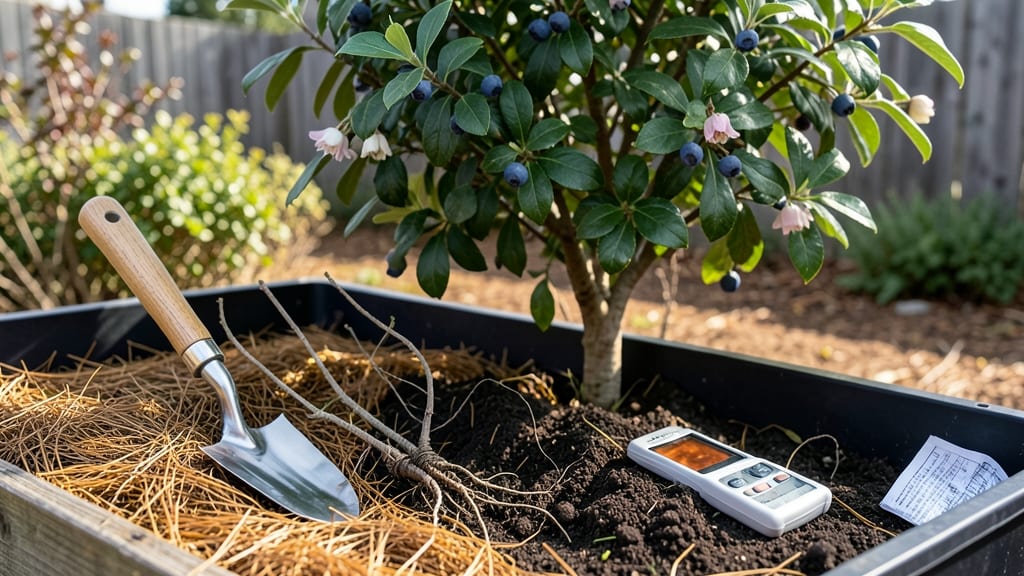
Planting blueberries in Iowa isn’t just about dropping a bush in the ground—it’s about catching that perfect window between frost and summer heat. Miss the mark, and your 🫐 bushes might struggle for years before bearing fruit, if ever.
The key? Timing your planting between late April and early June, when soil warms but nights stay cool enough to protect tender roots.
Iowa’s USDA Zone 5b climate adds another layer—frost can linger until mid-April, while summer arrives fast. That’s why planting too early risks frost damage, and too late means stunted growth before winter hits.
I’ll show you exactly how to read your soil’s cues and adjust for your region, whether you’re in northern Iowa’s cooler pockets or southern areas with earlier springs.
You might assume spring is the only time to plant, but fall can also work—with the right prep. We’ll cover both strategies, plus how to prep Iowa’s often alkaline soil for blueberries that crave acidity.
Ready to set your bushes up for decades of harvests? Let’s dive into the deadlines and pro moves that make all the difference.
From bare-root plants to container-grown varieties, I’ll walk you through what works best in Iowa’s climate. Whether you’re a first-timer or a seasoned gardener, these tips will help you avoid common pitfalls and get your blueberries off to a strong start. Let’s make sure your bushes thrive—not just survive.
Best planting windows for blueberries in Iowa’s USDA Zone 5b
Iowa’s USDA Zone 5b presents unique challenges for blueberry growers, with late frosts often lingering into mid-April and early fall freezes arriving by mid-October. Planting too early risks frost damage, while waiting too long can stunt root growth before winter.
My research shows the ideal window is between late April and early June, but timing depends on whether you’re using bare-root or container-grown plants.
For bare-root blueberries, the best time is early spring—as soon as the ground thaws but before buds swell. This gives roots 6-8 weeks to establish before winter.
If you miss this window, your backup option is late spring, but only if you’re prepared to protect young plants from late frosts with row covers or mulch.
Container-grown blueberries, however, offer more flexibility and can be planted throughout the growing season, including early fall with proper winter protection.
Here’s the critical detail: soil temperature must reach 45°F (7°C) for at least 7 days before planting. In Iowa, this typically aligns with mid-April in southern regions (like Des Moines) but can be 2-3 weeks later in northern areas (like Sioux City).
Always check your local frost-free date—planting too soon means risking frost damage to tender new roots.
I’ve learned the hard way that late spring planting (June) is possible but risky. Young blueberries need time to harden off before winter. If you’re planting in June, choose dwarf varieties like ‘Top Hat’ or ‘Peach Sorbet,’ which establish faster.
For standard-sized bushes, stick to the April-May window for the best chance at first fruit in 2-3 years.
| Planting Window | Soil Temp Requirement | Frost Risk | Best For |
|---|---|---|---|
| Late April - Early May | 45°F (7°C) for 7+ days | Low (after last frost) | Bare-root plants |
| Mid-May - Early June | 50°F (10°C) for 5+ days | Moderate (late frosts possible) | Container-grown plants |
| Early Fall (Sept) | 60°F (15°C) for 7+ days | High (early winter) | Dwarf varieties only |
One mistake I’ve seen gardeners make is ignoring microclimates in Iowa. Even within the same county, south-facing slopes warm up faster than low-lying areas. If you’re in a colder pocket of Zone 5b, like northwest Iowa, aim for May 1st as your cutoff.
In warmer southern regions, you can push planting to mid-June—but only if you’re committed to consistent watering and mulching to protect roots.
Pro tip: Use a soil thermometer to confirm readiness. I’ve planted blueberries in early May only to watch them struggle because the soil was still too cold. Root growth stalls below 45°F (7°C), so don’t rush. Patience here means faster establishment and earlier fruit in years to come.
For those in northern Iowa (Zone 5a), consider overwintering container-grown plants indoors until spring. This tactic lets you plant at the optimal time without risking frost damage.
I’ve successfully overwintered 1-gallon pots in a garage with grow lights until soil warmed in May. It’s extra work, but it guarantees stronger root systems by summer.
Finally, don’t overlook chilling requirements. Blueberries need 800-1,000 hours below 45°F (7°C) annually. Iowa’s climate naturally meets this, but if you’re in a warmer microclimate, choose varieties like ‘Bluecrop’ or ‘Duke,’ which are bred for Zone 5b resilience.
These varieties also handle Iowa’s humidity and clay soils better than southern cultivars.
Remember: The goal is to give your blueberries 6-8 weeks of root growth before winter. In Iowa’s short season, that means planting no later than early June.
With the right timing, you’ll be enjoying homegrown blueberries in 2-3 years—not the 5+ years some gardeners wait when they plant at the wrong time. 🫐
Pro tips to extend your Iowa blueberry planting season
Iowa’s unpredictable spring frost dates can make planting blueberries feel like a gamble—but with the right strategies, you can extend your planting window by weeks. The key is choosing cold-hardy varieties and using protective techniques that shield young roots from late frosts.
For example, 'Bluecrop' and 'Jersey' varieties thrive in Zone 5b and tolerate brief cold snaps better than southern varieties.
If you miss the ideal late April to early June window, don’t panic. You can still plant in early fall (September), but only if your bushes have at least 6-8 weeks to establish roots before the ground freezes.
This means avoiding late September plantings in northern Iowa, where frost can arrive by mid-October. For container-grown blueberries, fall planting is even safer—their established root systems adapt faster to cold.
- 📅 Plant cold-hardy varieties like 'Bluecrop' or 'Patriot'—they handle late spring frosts better than southern types.
- 🛡️ Use frost cloth or row covers for 2-3 weeks after planting to protect tender new growth from unexpected cold snaps.
- 🌳 Choose a sheltered site, like near a fence or building, to create a microclimate that warms up faster in spring.
For those who love experimenting, overwintering young blueberries is another trick. If you plant in late June or July (your last resort), mulch heavily with straw or wood chips and water deeply before the first frost.
This helps insulate roots and reduces transplant shock when spring arrives. Just be prepared for slower growth in the first year—your bushes will focus on survival, not fruiting.
One mistake I see often is assuming container-grown blueberries can be planted anytime. While they’re more flexible, they still need 4-6 weeks of warm soil to root properly.
If you’re planting in late spring or summer, soak the root ball before transplanting and keep the soil consistently moist for the first month. This mimics the ideal spring conditions and gives your bushes a fighting chance.
Don’t overlook soil temperature as a guide—blueberries won’t thrive until the soil reaches at least 45°F (7°C). Use a soil thermometer to check before planting. In northern Iowa, this often means waiting until mid-May, while southern areas can start as early as late April.
Patience here pays off with stronger root systems and faster fruit production.
Finally, if you’re planting in fall, time it so your bushes have 6 weeks of growth before winter. This means planting no later than early September in most of Iowa.
Water deeply the day after planting, then mulch with 3-4 inches of organic mulch to protect roots from freeze-thaw cycles. With these adjustments, you can push your planting window by 4-6 weeks—giving you more flexibility in Iowa’s fickle climate.