
Plants
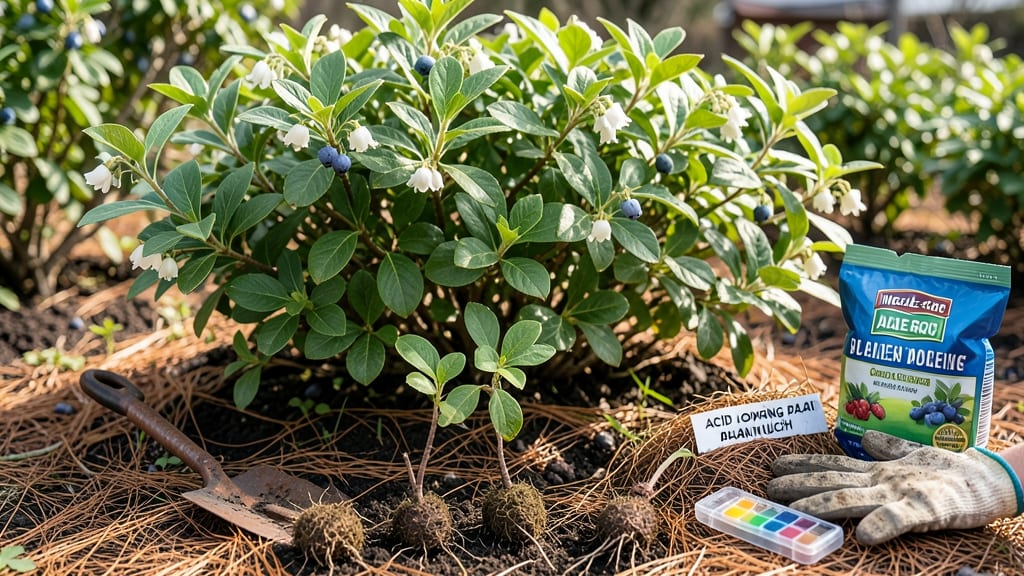
Timing your blueberry planting in Indiana correctly could mean the difference between a thriving 🫐 bush and one that struggles to survive the first winter.
With Indiana’s Zone 6 climate, you’ve got just two ideal windows—spring after the last frost or fall before the ground freezes—but getting it wrong can leave your plants vulnerable to frost damage or poor root establishment.
I’ve helped Indiana gardeners plant hundreds of blueberry bushes, and the most common mistake is rushing too early in spring. Those tender roots can’t handle even a light frost, and by the time you realize it’s too late, your investment might be lost.
The good news? With the right variety and preparation, you can plant in either season and still get a bountiful harvest by mid-July.
What you’ll discover here are the exact planting months that work best for Indiana’s microclimates, which blueberry varieties thrive in your zone, and how to prepare your soil so your bushes take root like a pro.
Whether you’re planting bare-root or potted, these tips will help you avoid the pitfalls that trip up even experienced gardeners.
Let’s cut to the chase: if you plant at the right time, your blueberry bushes will establish strong roots, survive Indiana’s temperature swings, and reward you with juicy berries year after year. Ready to get started?
Best planting months for blueberries in Indiana’s Zone 6 (with chill-hour requirements)
Indiana’s Zone 6 climate creates a narrow but critical window for planting blueberries. The key is aligning your planting schedule with the plant’s chill-hour needs—the number of hours below 45°F required to break dormancy.
Most blueberry varieties need 600–1,000 chill hours, which Indiana easily provides, but timing still matters to avoid frost damage or poor root establishment.
For spring planting, aim for late April to early May after the last average frost date (typically mid-April in most of Indiana). This gives young plants time to establish roots before summer heat.
However, if you miss this window, fall planting in September or October is your next best option, allowing roots to settle before winter dormancy.
Northern highbush varieties like ‘Bluecrop’ and ‘Patriot’ thrive in Indiana’s climate, while southern highbush types (e.g., ‘Duke’) need slightly warmer microclimates. Rabbit-eye varieties are less common but can work in southern Indiana’s milder pockets.
Always check the chill-hour requirements of your chosen variety to match Indiana’s 600–1,000 chill hours.
Indiana’s microclimates can shift planting windows by 1–2 weeks. Northern Indiana (e.g., Gary, Fort Wayne) leans toward late April planting, while southern Indiana (e.g., Evansville, Louisville) can extend the window into early May.
Use your local USDA Zone 6a/6b map to fine-tune timing—cooler pockets like Michigan City may need earlier fall planting.
If you’re planting bare-root blueberries, do it as soon as possible after purchase—these plants establish roots faster than potted varieties. For potted plants, avoid planting in extreme heat or cold; aim for 50–70°F soil temperatures.
Water deeply after planting to encourage root growth, and apply a 2–3 inch layer of mulch to retain moisture and regulate soil temperature.
Pro tip: Test your soil pH before planting—blueberries thrive in acidic soil (pH 4.5–5.5). If your Indiana soil is alkaline, amend it with elemental sulfur or peat moss 2–3 months before planting. This adjustment is non-negotiable for healthy growth and fruit production.
For container gardening, spring planting in May is ideal because pots warm up faster and reduce frost risk. Use acidic potting mix and ensure containers are at least 18 inches deep to accommodate root growth.
Containers also let you grow blueberries in urban areas with limited space, like patios or balconies.
Remember: Fall-planted blueberries often outperform spring-planted ones in Indiana because they establish roots before winter stress. If you choose fall, plant by mid-October to allow roots to harden off before the first frost (mid-October in most of Indiana).
Avoid planting in November or later, as young plants won’t survive the winter.
🌱
Top blueberry varieties for Indiana gardens (ranked by cold hardiness and yield)
Indiana’s Zone 6 climate demands blueberry varieties that thrive in humid summers and chilly winters. Not all varieties survive Indiana’s 300–900 chill hours, so choosing the right one is key.
Southern highbush types (like ‘Duke’) need fewer chill hours, while northern highbush (like ‘Bluecrop’) handle Indiana’s winters better. Let’s break down the top 5 varieties for your garden.
For first-time growers, I recommend starting with ‘Patriot’—it’s disease-resistant and produces early-season berries. If you want large, sweet berries, ‘Bluecrop’ is a classic. Each variety has unique needs, so pick based on your garden’s sun exposure and microclimate. Let’s dive into the details.
🌱 Top Blueberry Varieties for Indiana
| Variety | Chill Hours | Maturity | Disease Resistance | Sun Needs |
|---|---|---|---|---|
| ‘Patriot’ | 600–800 | Early | High | Full sun |
| ‘Bluecrop’ | 700–900 | Mid-season | Moderate | Full sun |
| ‘Duke’ | 300–500 | Late | High | Partial shade |
| ‘Jersey’ | 400–600 | Early | Moderate | Full sun |
| ‘Chester’ | 500–700 | Mid-season | High | Full sun |
If your garden gets hot afternoons, ‘Duke’ thrives in partial shade and needs fewer chill hours. For heavy fruit production, ‘Bluecrop’ is a winner but requires well-draining soil. Always check the chill-hour range—planting a variety outside this window can stunt growth or kill your bush.
Pro tip: Mix varieties for extended harvest seasons. ‘Patriot’ ripens in early July, while ‘Duke’ peaks in August. This ensures you’re picking berries for weeks! Just remember, acidic soil (pH 4.5–5.5) is non-negotiable for all these varieties.
For container gardening, dwarf varieties like ‘Top Hat’ (3–4 ft tall) work well in Indiana’s urban areas. Just ensure the pot has drainage holes and use peat moss to maintain acidity. Happy planting!