
Plants
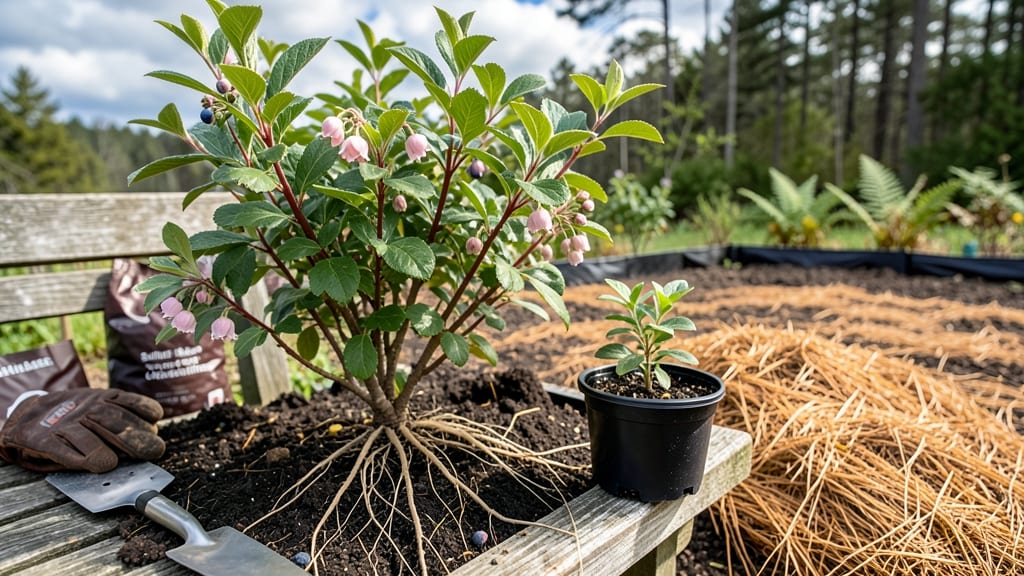
Timing your Blueberry Bush 🫐 planting in Georgia isn't just about the calendar—it's about matching the right variety to your region's chill hours. Plant too early, and frost can damage tender roots; too late, and your bushes may struggle to establish before summer heat arrives.
Georgia's 7b-8b zones offer a unique opportunity to grow both Southern Highbush and Rabbiteye varieties, but each needs specific care. The best window spans late fall through early spring, with October-March being ideal for bare-root plants or dormant container-grown bushes.
Why does this matter? Because getting it right means the difference between a thriving bush bursting with berries by May-July and one that barely survives. I'll walk you through exactly how to time your planting, prepare your soil, and choose varieties that will flourish in Georgia's climate.
From acidifying your soil to protecting against late frosts, these steps will set you up for a bountiful harvest. Let's get your Blueberry Bush off to the best possible start—because patience now means sweet rewards later.
Best planting months for Georgia blueberry bushes by chill-hour needs
Georgia’s climate offers two prime windows for planting blueberry bushes: late fall to early spring.
But timing depends on your chill-hour zone—North Georgia’s cooler areas (like USDA Zone 7b) can handle 900+ chill hours, while South Georgia’s warmer zones (like Zone 8b) need 500-700 chill hours. Matching your variety to these zones ensures robust growth and fruit production.
For Rabbiteye varieties (like 'Climax' or 'Powderblue'), aim for late October to November—this lets roots establish before winter dormancy. Southern Highbush varieties (like 'Misty' or 'Premier') thrive when planted in February to early March, avoiding Georgia’s brutal summer heat.
Both timings align with soil workability and reduced pest pressure.
Soil preparation is just as critical as planting timing. Test your soil’s pH (4.5-5.5) and amend with peat moss or sulfur if needed. In North Georgia, prepare beds in September to let amendments settle.
In South Georgia, tackle soil prep in January to avoid summer drought stress. Mulch with pine straw or wood chips to retain moisture and acidity.
Visual Element: Summary Table
| Zone/Variety | Best Planting Month | Chill-Hour Needs | Soil Prep Month |
|---|---|---|---|
| North GA (Zone 7b) | Late October - November | 900+ hours | September |
| Central GA (Zone 7b-8a) | February - Early March | 700-900 hours | January |
| South GA (Zone 8b) | February - March | 500-700 hours | January |
| Rabbiteye Varieties | Late October - November | 900+ hours | September |
| Southern Highbush | February - Early March | 500-700 hours | January |
*Chill hours = hours below 45°F needed for flowering. Soil prep ensures proper drainage and acidity.
Transplant shock is a real risk in Georgia’s heat. For bare-root bushes, plant immediately after purchase and water deeply to settle soil.
If planting in late winter, protect young plants with shade cloth until roots establish (about 6-8 weeks). Container-grown bushes can handle early spring planting but avoid extreme heat—aim for morning or evening to reduce stress.
Mulching is non-negotiable in Georgia’s clay-heavy soils. Apply 3-4 inches of pine straw around bushes (but not touching stems) to suppress weeds, retain moisture, and gradually acidify soil.
Replenish mulch annually in February or March to align with Georgia’s growing season kickoff. This practice also helps regulate soil temperature during summer’s intense heat.
Watering schedules shift with seasons. Newly planted bushes need 1-1.5 gallons per week for the first year, while established plants tolerate 10-14 days between deep waterings. In summer’s peak (June-August), increase frequency to every 5-7 days and water at dawn to prevent fungal diseases like botrytis.
Use drip irrigation to keep foliage dry—a must in Georgia’s humid climate.
Fertilizing too early can stimulate growth before roots are established. Wait until late February or early March to apply a balanced acid fertilizer (10-10-10). In North Georgia, a second light feeding in May supports flowering.
Skip fall fertilizing—it encourages late-season growth vulnerable to first frost (mid-November). Georgia’s clay soils benefit from compost or well-rotted manure worked in during soil prep.
Pest pressure varies by region. In North Georgia, watch for blueberry maggots in summer; use row covers during bloom. South Georgia’s heat attracts spider miteshose-downs in early morning.
Prune in late winter (February) to remove dead wood and improve airflow, reducing disease risk. This timing also lets you assess winter damage before new growth begins.
Georgia’s microclimates mean your neighbor’s thriving bushes might struggle in your yard. For example, Atlanta’s urban heat islands can push chill hours down by 100-200 hours compared to rural areas.
Use a chill-hour calculator to verify your zone, and consider heat-tolerant varieties like 'Tifblue' for South Georgia. Adjust planting dates 1-2 weeks later if your area runs hotter.
Best planting months for Georgia blueberry bushes by chill-hour needs
Georgia’s 7b-8b climate zones create a unique challenge for blueberry growers—too many chill hours (below 45°F) can damage tender varieties, while too few mean poor fruit set. The key is planting when your chosen variety’s chill-hour needs align with your region’s winter patterns.
For North Georgia (higher chill hours, like Athens or Dalton), aim for October-November planting. This gives bushes time to establish roots before winter dormancy. In South Georgia (warmer, like Valdosta), February-March is ideal to avoid late frosts.
Here’s how to match your planting window to Georgia’s chill-hour zones and variety types:
| Zone | Chill Hours | Best Varieties | Planting Window | Key Tip |
|---|---|---|---|---|
| North GA (7b) | 800-1,000 | 'Climax', 'Tifblue' | October-November | Mulch heavily to protect roots from winter freeze-thaw cycles. |
| Central GA (7b-8a) | 600-800 | 'Powderblue', 'Premier' | Late November-Early December | Water deeply before first frost to establish root zone. |
| South GA (8b) | 400-600 | 'Centurion', 'O’Neal' | February-March | Use frost cloth for first 2 weeks after planting. |
Why does this matter? Southern Highbush varieties (like 'Powderblue') thrive in Georgia’s milder winters but need 600-800 chill hours. Rabbiteye types (like 'Climax') handle 800+ chill hours but struggle in South Georgia’s warmer zones. Planting outside these windows risks transplant shock or poor fruit production.
Pro tip: Test your soil’s pH (4.5-5.5) before planting—Georgia’s clay soils often need sulfur amendments or pine bark fines to acidify. Spread a 3-inch mulch layer of pine straw after planting to retain moisture and suppress weeds during critical root establishment.
Timing isn’t just about the calendar—it’s about giving your blueberries the perfect chill-hour match for your microclimate. Get it right, and you’ll be harvesting sweet, plump berries by next summer. 🌱