
Plants
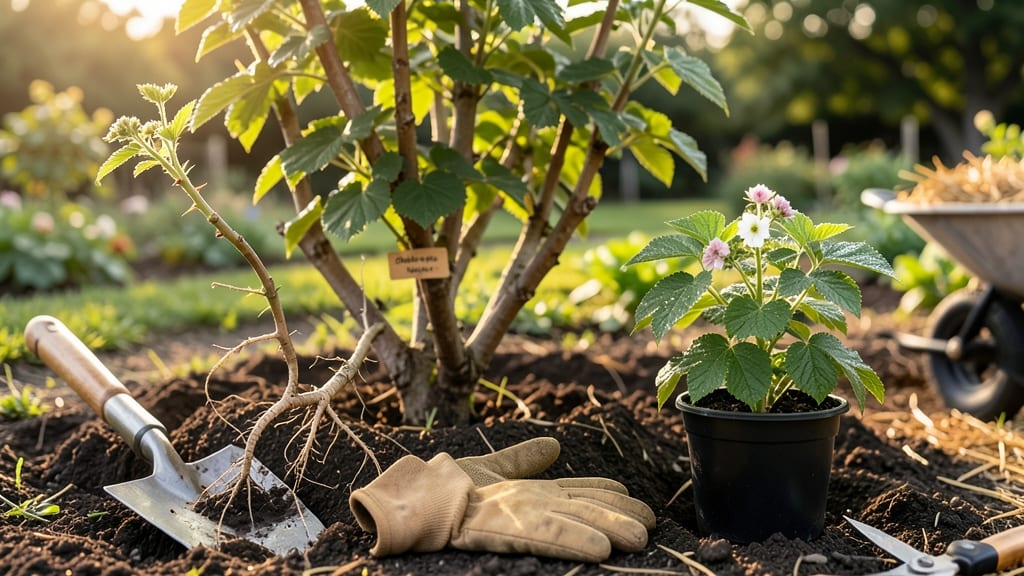
If you're dreaming of juicy, homegrown 🫐 blackberries but don't want to gamble with Oklahoma's fickle weather, timing your planting is the key to success.
The best window for planting blackberries in Oklahoma runs from late winter through early spring, but getting it wrong could mean lost plants or delayed harvests.
Oklahoma's 6a-8a climate zones bring unique challenges—from early spring frosts in northern areas to scorching summer heat. Planting too early risks damage from late frosts, while waiting too long might stunt your bushes before they even get started.
The ideal balance ensures your blackberries establish strong roots before summer's intense heat arrives.
Whether you're working with bare-root plants or potted varieties, understanding your specific zone's frost dates and soil conditions makes all the difference.
I'll walk you through exactly when to plant for maximum growth, how to prepare your Oklahoma soil, and what to watch for after those first canes hit the ground.
With the right timing and a little preparation, you could be enjoying your first homegrown blackberries by June—just in time for summer snacks. Let's get those bushes in the ground the smart way.
Best planting months for blackberries in Oklahoma’s climate zones
Oklahoma’s USDA Zones 6b-8a create a unique challenge for blackberry growers. The state’s variable frost dates and hot summers demand precise timing. Planting too early risks late spring frosts, while waiting too long limits root establishment before summer heat arrives.
My goal? Help you pinpoint the ideal 6-8 week window for planting bare-root or potted blackberries in your specific Oklahoma region.
For northern Oklahoma (Zones 6b-7a), where frosts linger until mid-April, aim to plant between February 15 and March 31. This gives roots time to establish before the growing season peaks.
In central and southern Oklahoma (Zones 7b-8a), where last frosts typically occur by March 1, you have flexibility until April 15—but don’t wait too long, as summer’s intense heat arrives by May.
Bare-root plants (most common) should go in the ground as soon as soil is workable—usually late winter to early spring. Potted blackberries, however, can handle late spring planting (May) since their roots aren’t exposed. Just be prepared to provide extra mulch and water during Oklahoma’s brutal summer months.
Pro tip: Check your local Cooperative Extension Service for your county’s last frost date. For example, Tulsa (Zone 7a) averages its last frost on March 22, while Oklahoma City (Zone 7b) sees frost-free conditions by March 15.
Planting 3-4 weeks before your last frost date gives blackberries the best head start.
🌱
Blackberry varieties also influence timing. Thornless varieties like Natchez or Chester are easier to manage but may need 1-2 extra weeks of establishment time compared to traditional thorny types. Meanwhile, fall-bearing varieties (like Arapaho) benefit from earlier planting to maximize their summer and fall fruit crops.
If you miss the ideal window, don’t panic. Late spring planting (May) can still work, especially for potted plants, but expect reduced first-year fruit production. Focus instead on strong root growth by keeping soil moist and providing afternoon shade during Oklahoma’s scorching summers.
Remember: Blackberries thrive with 6-8 hours of sunlight daily. In Oklahoma’s intense summer heat, morning sun and afternoon shade can prevent sunburn and heat stress. If planting in Zone 8a’s southern regions, consider drip irrigation and mulch to retain moisture during 100°F+ temperatures.
🌡️
Best planting months for blackberries in Oklahoma’s climate zones
Oklahoma’s USDA Zones 6b-8a create a tricky balance for blackberry planting—too early risks frost damage, while late planting delays growth. The ideal window is late winter to early spring, specifically March and April, when soil warms but frost threats diminish.
Northern Oklahoma (Zone 6b) has later frost dates, while southern regions (Zone 8a) can start as early as February.
For bare-root plants, timing is critical—they need to establish roots before summer heat arrives. Potted blackberries, however, offer flexibility and can be planted up to May, though they may produce fewer berries that first season.
Always check your local last frost date—Oklahoma’s average is March 15, but microclimates can shift this by weeks.
🌱
If you miss the spring window, don’t despair—summer planting is possible for potted blackberries, but they’ll need extra care like consistent watering and shade during Oklahoma’s brutal 90°F+ summers.
For best results, aim for March or April when days lengthen and soil temperatures rise above 50°F, signaling root growth.
Pro tip: Use mulch after planting to insulate roots and retain moisture. In Oklahoma’s clay-heavy soil, mix in compost or sand to improve drainage—a common issue that stunts growth if ignored. The first 30 days post-planting are critical for root establishment, so prioritize soil prep over speed.
For thornless varieties like ‘Natchez’ or ‘Arapaho’, timing matters even more—they’re less hardy and need a head start. Plant these 2-3 weeks earlier than traditional types to compensate for their slower growth. Always choose dormant canes for spring planting; they’ll wake up faster in Oklahoma’s warming soil.
☀️