
Plants
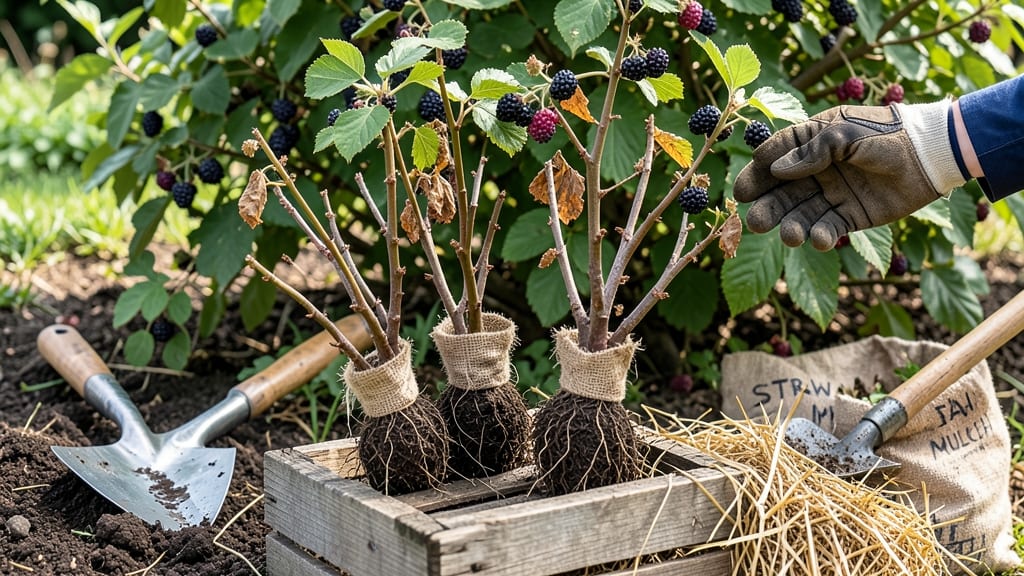
Planting blackberries at the wrong time in Indiana’s Zone 5-6 climate can mean the difference between a thriving bramble and a failed harvest—so timing is everything.
With frost dates lingering into mid-April and unpredictable spring weather, getting your 🫐 canes in the ground too early or too late throws off their entire growing season.
If you’ve ever watched your blackberries struggle to establish roots or seen buds freeze before they could bloom, you know how frustrating it can be. The key is matching your planting window to Indiana’s chill-hour requirements—most varieties need 600–1,000 hours below 45°F to set fruit properly.
That means bare-root plants go in during late winter or early spring, while potted varieties wait until soil warms.
But here’s the catch: Indiana’s microclimates vary wildly, from cooler northern areas to milder southern pockets. I’ll break down the exact months to plant—whether you’re in Zone 5b or 6b—plus how to prep your soil and avoid common pitfalls that derail even the most eager gardeners.
Let’s get those canes thriving.
Ready to turn your backyard into a blackberry goldmine? You’ll learn the step-by-step schedule, variety recommendations, and pro tips to beat Indiana’s fickle weather. No more guessing—just a foolproof plan for a bountiful harvest by July.
Best planting months for blackberries in Indiana’s Zone 5-6 climate
Indiana’s Zone 5-6 climate demands precise timing for blackberry planting—too early and frost will damage tender canes, too late and roots won’t establish before winter.
The ideal window spans early spring (March-April) or late winter (February), but your choice hinges on whether you’re planting bare-root canes or potted plants. For Indiana’s unpredictable weather, I recommend prioritizing soil temperature over calendar dates.
Bare-root blackberries thrive when planted in late winter (February) or early spring (March), before buds swell but after the ground thaws. This timing lets roots establish before summer heat arrives. Potted plants, however, can wait until April when soil temperatures consistently stay above 40°F.
Southern Indiana’s milder microclimates (like Evansville) may allow 3-4 weeks earlier planting than northern areas (like Gary).
Key timing factors in Indiana include:
- Last frost date: Mid-April (varies by region)
- Chill-hour requirements: Most varieties need 600-1,000 hours below 45°F
- Soil temperature: Must stay above 40°F for root growth
Fall planting is not recommended in Indiana due to the risk of late-season frosts damaging new growth. If you miss spring, your only safe option is container growing—but even then, bring pots indoors during winter to protect roots.
🌱
| Planting Method | Best Month | Soil Temp Requirement | Indiana-Specific Tip |
|---|---|---|---|
| Bare-Root Canes | February-March | Above 40°F | Northern IN: Wait until late March; Southern IN: Plant by mid-February. |
| Potted Plants | April | Above 50°F | Harden off plants for 7-10 days before transplanting. |
| Container Growing | May-June | No minimum | Move containers indoors in October to protect roots. |
Indiana’s microclimates create regional variations. In northern Indiana (Zone 5b), aim for late March planting to avoid late frosts. Southern Indiana’s Zone 6a gardeners can plant as early as February, but monitor soil moisture—dry spells can stress young roots.
For bare-root plants, soak canes in water for 2-4 hours before planting to rehydrate roots. If you’re using potted plants, remove the container and loosen roots gently to prevent root circling. Both methods benefit from a 2-inch layer of compost mixed into the planting hole.
🌡️
One common mistake in Indiana is planting too early when soil remains frozen. Test with your finger—if it’s harder than a squeezed lemon, wait. Another pitfall is overwatering after planting, which can suffocate roots.
Instead, water deeply once and then only when the top 2 inches of soil dry out.
To extend your planting window, consider row covers for early spring plantings. These protect against late frosts while allowing sunlight to reach the soil. Remove covers during the day if temperatures rise above 50°F to prevent overheating.
📅
Best planting months for blackberries in Indiana’s Zone 5-6 climate
Indiana’s Zone 5-6 climate demands precision when planting blackberries—late winter to early spring is your sweet spot. Most gardeners in northern Indiana (Zone 5b) aim for March to early April, while southern areas (Zone 6b) can extend planting into mid-April.
The goal? Get canes in the ground before buds swell but after soil warms to 40°F to avoid frost damage.
Bare-root blackberries thrive when planted 4-6 weeks before last frost (typically mid-April in Indiana). Potted plants, however, wait until soil reaches 50°F—usually late April—to reduce transplant shock. Timing matters because cold soil slows root growth, leaving plants vulnerable to spring freezes.
| Planting Method | Ideal Month | Soil Temp | Key Consideration |
|---|---|---|---|
| Bare-root canes | March–Early April | 40°F+ | Plant before buds swell |
| Potted plants | Late April | 50°F+ | Avoid frost-sensitive roots |
| Fall planting | September | 55°F+ | Risky in Zone 5b |
Fall planting is possible in Zone 6b (southern Indiana) but risky in colder areas. If you choose this route, plant 6-8 weeks before first frost (usually September) to allow roots to establish before winter. However, Indiana’s unpredictable weather makes spring planting the safer bet for most growers.
Pro tip: Use a soil thermometer to confirm temperatures. Cold soil delays root growth, while warm soil (above 50°F) speeds up establishment. In my garden, I’ve seen blackberries planted in March outpace those planted in May by 30% in the first season.
Microclimates matter too. If you’re in a low-lying area or near a lake, frost lingers longer—stick to early March planting. Upland gardens can wait until late March. Always check your local USDA frost map for precise dates.
Remember: Blackberries need 600–1,000 chill hours below 45°F to fruit well. Planting too late may result in poor yields or no fruit at all. Start early, and you’ll be harvesting juicy blackberries by July.