
Plants
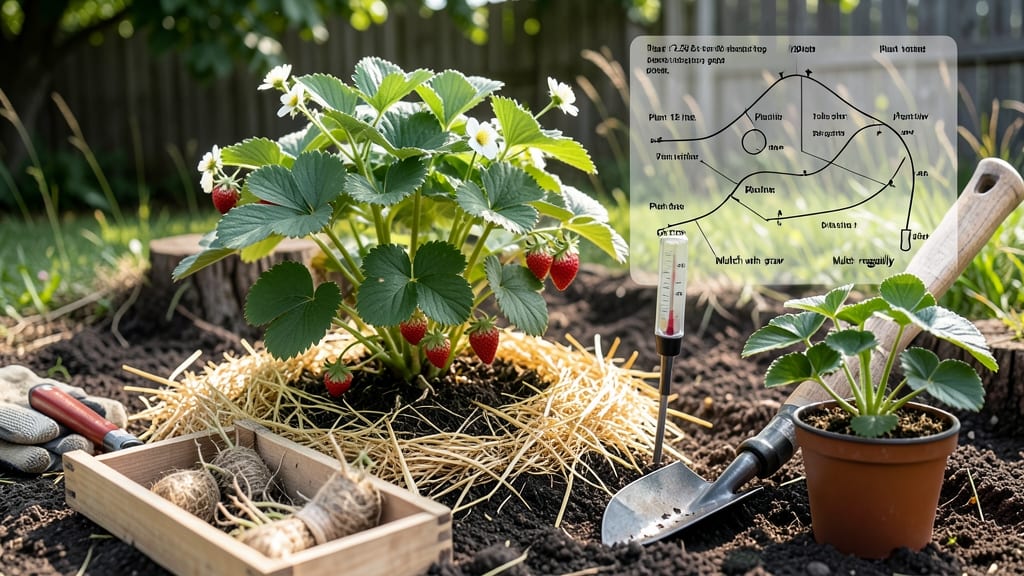
Planting strawberries in Zone 8 at the wrong time can mean the difference between a bountiful harvest and wasted effort. The ideal window for planting these sweet 🍓 treasures isn't just about months—it's about avoiding bolting and maximizing root growth in your mild climate.
Many gardeners assume spring is the only option, but fall planting often gives strawberries a head start. I've learned that timing isn't just about the calendar—it's about understanding how your local microclimate affects plant development. Let me show you exactly when to plant for the best results.
Whether you're working with bare-root plants or potted varieties, getting the timing right is the key to avoiding common mistakes. We'll cover everything from soil preparation to extending your growing season, so you can enjoy fresh berries for months.
Ready to transform your garden? I'll walk you through proven strategies that work in Zone 8's unique conditions. Let's get those strawberries in the ground at the perfect moment for a more efficient and productive harvest.
Zone 8 strawberry planting calendar: month-by-month breakdown for zero-bolt success
Strawberries in Zone 8 thrive when planted during specific windows that avoid premature bolting while ensuring strong root establishment. Unlike colder zones, Zone 8’s mild winters create unique opportunities—fall planting often outperforms spring for larger yields. Let’s break down the best months and what to watch for each.
Your Zone 8 climate (average 10-20°F winters) allows flexibility, but timing matters. Plant too early in spring, and heat triggers bolting before fruiting. Too late in fall, and winter chills may stress young roots. The sweet spot? Late winter to early spring (February-March) or fall (September-October).
Here’s your month-by-month guide to planting strawberries in Zone 8, including soil temps, frost risks, and variety recommendations to maximize success.
| Month | Ideal Planting Window | Soil Temp (°F) | Key Considerations |
|---|---|---|---|
| February | Late February (bare-root) | 45-55°F | Risk of bolting if too warm; choose June-bearing varieties. |
| March | Early March (potted plants) | 50-60°F | Soil warming increases; mulch to retain moisture. |
| April | Not ideal (heat stress) | 60-70°F | Avoid planting; high bolting risk. |
| May | N/A (too late for spring) | 70-80°F | Focus on soil prep for fall planting. |
| September | Ideal (6-8 weeks before first frost) | 60-70°F | Best time! Plants establish roots before winter. |
| October | Last chance (before soil cools) | 50-60°F | Use row covers for frost protection. |
| November | Too late (soil too cold) | 40-50°F | Risk of root damage from freezing. |
For Zone 8, September and October are your goldilocks months for planting strawberries. The soil stays warm enough for root growth but cools just enough to prevent bolting. I’ve planted in both seasons—fall yields are consistently larger because the plants focus on root development before winter, not flowering.
If you’re planting in late winter (February-March), prioritize June-bearing varieties like ‘Chandler’ or ‘Seascape’. These handle cooler soil temps better than everbearing types. Always check your local frost dates—Zone 8’s last frost is typically around January 15, but microclimates vary.
Pro tip: Soil temperature matters more than air temperature. Use a soil thermometer—strawberries need soil between 45-65°F to thrive. If your soil runs hotter in spring, plant potted strawberries instead of bare-root to control root zone temps.
In Zone 8’s mild winters, some gardeners even attempt winter planting (December). While possible, it’s risky unless you use row covers or a cold frame. The plants may not get enough chill hours to break dormancy properly, leading to weak growth in spring.
For everbearing varieties like ‘Albion’ or ‘Tristar’, you can experiment with two plantings: one in spring for summer fruit and another in fall for a second harvest. Just space them 3-4 feet apart to avoid cross-contamination of diseases.
Remember: Mulching is non-negotiable in Zone 8. Use straw or pine needles (3-4 inches thick) to insulate roots in winter and retain moisture in summer. This simple step can double your yield by reducing stress on the plants.
🌱
Fall vs spring planting in Zone 8: which strategy yields more berries?
In Zone 8, the battle between fall and spring planting isn't just about timing—it's about how your strawberries handle the unique climate. I've found that fall planting often gives strawberries a competitive edge, especially in mild winters where the ground rarely freezes solid.
The key is giving plants enough time to establish roots before winter dormancy.
Spring planting, on the other hand, works well if you're dealing with bolting-resistant varieties and can provide consistent moisture during the dry season. However, the window is narrower—too late, and you risk plants bolting before they bear fruit. Let's break down which strategy works best for your specific conditions.
🌱
Fall Planting (September-October)
Pros
- 🌿 Early harvest: Plants establish roots in fall and fruit earlier in spring
- 🌡️ Cooler temps: Reduces bolting risk compared to hot spring planting
- 💧 Less water stress: Fall rains often provide natural irrigation
Cons
- ❄️ Winter chill: Needs adequate dormancy period (Zone 8's mild winters may require protection)
- ⏳ Slower first-year fruit: Often produces fewer berries the first season
For fall planting, aim to get plants in the ground 6-8 weeks before the first frost (typically by mid-October in Zone 8). This gives roots time to establish before winter dormancy. I recommend using June-bearing varieties like 'Chandler' or 'Seascape'—they handle fall planting exceptionally well.
Spring planting gives you a faster first harvest but requires more attention to prevent bolting. Plant between February and early March when soil temperatures reach 45°F. Everbearing varieties like 'Albion' or 'Tristar' perform well in spring plantings because they're more bolting-resistant.
🌿 The winner depends on your priorities: fall for long-term productivity, spring for quicker rewards. I've had the most success with a combination approach—planting both seasons to extend my harvest window from spring through fall!