
Plants
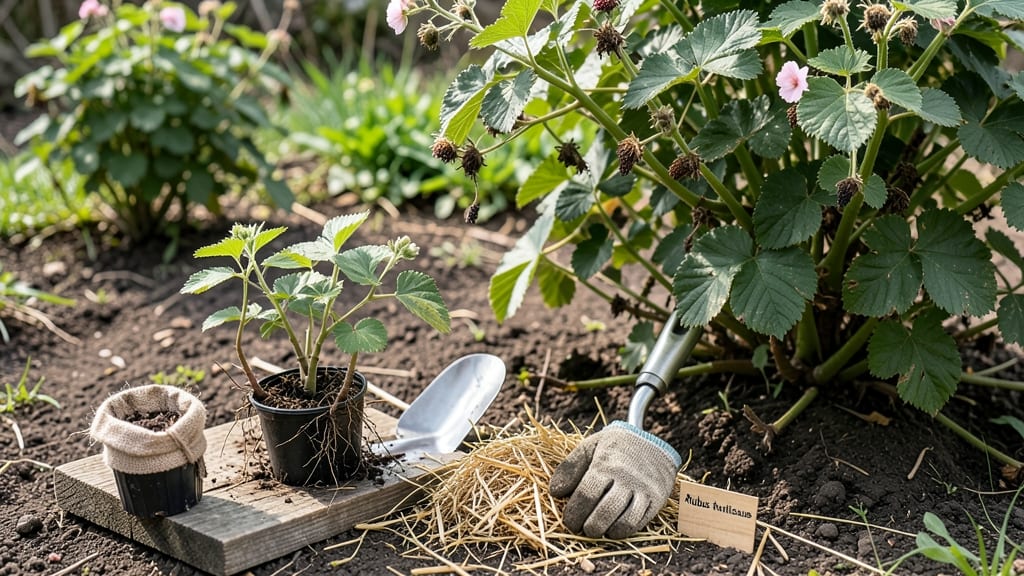
Timing your 🫐 blackberry planting in Alabama isn’t just about picking a month—it’s about matching your variety to the state’s unique climate zones to avoid struggling canes and wasted effort.
Whether you’re growing thornless 'Arapaho' or hardy 'Ozark' types, planting too early risks frost damage, while waiting too long can stunt root growth before summer heat arrives.
Alabama’s USDA zones 7a-8b create microclimates where North Alabama’s cooler springs demand earlier planting than South Alabama’s humid coastal areas. The ideal window—late winter to early spring (February-March)—gives canes time to establish roots before the last frost around March 15, setting up a productive season.
But here’s the catch: different blackberry varieties thrive at different times. Thornless types need cooler soil temperatures, while traditional varieties can handle Alabama’s spring heat better.
I’ll break down exactly when to plant each type for maximum success, plus how to prep your soil and spot early warning signs if your timing’s off.
Ready to grow healthier blackberries with fewer struggles? Let’s dive into the best months, regional tweaks, and pro tips tailored just for Alabama growers—so you can enjoy that first harvest from May through August without the guesswork.
Best planting months for blackberries in Alabama by variety type
Alabama’s USDA zones 7b-8a create a perfect environment for blackberries, but the right planting window depends on your variety. Most gardeners in Alabama plant between late February and early April, but timing shifts slightly for thornless vs. traditional varieties due to heat tolerance and dormancy needs.
For traditional blackberries (like 'Apache' or 'Chester'), aim for late February to early March—this gives roots time to establish before Alabama’s spring heat spikes. Thornless varieties (such as 'Arapaho' or 'Natchez') can handle slightly later plantings, up to mid-April, since they’re better adapted to warmer soils.
Here’s the key: Plant when soil temperatures reach at least 50°F (10°C). In North Alabama, this often means waiting until March 1st, while South Alabama gardeners can start as early as February 15th due to milder winters.
| Variety Type | Best Planting Window | Soil Temp Requirement | Why This Timing? |
|---|---|---|---|
| Traditional Thorny | Late February–Early March | 50–55°F (10–13°C) | Early start avoids spring heat stress |
| Thornless | Mid-March–Mid-April | 55–60°F (13–16°C) | Warmer soil tolerance reduces shock |
| Primocane-Bearing | Early April–Early May | 60°F+ (16°C+) | Fruits on new growth; needs heat to thrive |
If you miss the spring window, some varieties (like 'Ouachita') can be planted in early fall (September), but this is riskier in Alabama’s humid climate. Fall-planted canes need 6–8 weeks to establish roots before winter—so avoid planting after October 1st unless you’re in North Alabama’s cooler zones.
Pro tip: Use bare-root canes for spring planting—they establish faster than potted plants. Soak roots in water for 1–2 hours before planting to reduce transplant shock. For container-grown blackberries, plant anytime soil isn’t frozen, but spring is still best.
Alabama’s last frost date varies by region—March 15th in North Alabama vs. February 28th in South Alabama. Planting 2–3 weeks before this date ensures your blackberries won’t get nipped by late frosts, which can kill new growth.
For primocane-bearing varieties (like 'Prime-Ark Freedom'), push planting to early April. These produce fruit on new growth, so they need warmer soil temperatures to trigger flowering. If planted too early, they’ll focus energy on leaf growth instead of fruiting.
Always check your local Alabama Cooperative Extension frost maps before planting—some years, a late frost can delay your window by 2–3 weeks. When in doubt, err on the side of earlier planting for traditional varieties and later for thornless types.
Best planting months for blackberries in Alabama by variety type
Alabama’s blackberry varieties thrive when planted at specific times to align with the state’s USDA zones 7b-8a. The ideal window for planting is late winter to early spring, but the exact month depends on whether you’re growing thornless or traditional varieties.
Thornless types like 'Arapaho' need cooler soil temperatures, while traditional varieties like 'Ozark' can handle Alabama’s spring heat better.
For North Alabama (cooler microclimates), aim to plant bare-root canes in February—about 4-6 weeks before the last frost (typically around March 15). This gives roots time to establish before warmer temperatures arrive.
In Central and South Alabama, where springs warm faster, March is the sweet spot for planting most varieties.
Here’s a quick guide to match your variety to the best planting month:
| Variety Type | Best Planting Month | Soil Temp Threshold | Notes |
|---|---|---|---|
| Thornless (e.g., 'Arapaho', 'Natchez') | Late February - Early March | 45-50°F (7-10°C) | Needs cooler soil; plant early to avoid heat stress. |
| Traditional (e.g., 'Ozark', 'Cheyenne') | March - Early April | 50-55°F (10-13°C) | Tolerates warmer soil; plant slightly later for stronger growth. |
| Everbearing (e.g., 'Prime-Ark Freedom') | Late March - April | 50°F (10°C) minimum | Best planted later to avoid early frost damage to fruit. |
If you miss the primary planting window, you can still plant in early April, but avoid planting after April 15—this delays root establishment and reduces yields.
For fall planting (less common in Alabama), late summer (August) is an option, but it’s riskier due to the state’s humidity and potential for fungal diseases.
Pro tip: Test your soil temperature with a soil thermometer before planting. Aim for at least 50°F (10°C) for traditional varieties and 45°F (7°C) for thornless types. If soil is too cold, roots won’t establish properly, leading to weak canes and poor fruiting next season.
Remember, Alabama’s heat and humidity can stress young plants, so mulch heavily after planting to retain moisture and regulate soil temperature. This simple step can mean the difference between thriving canes and struggling ones.