
Plants
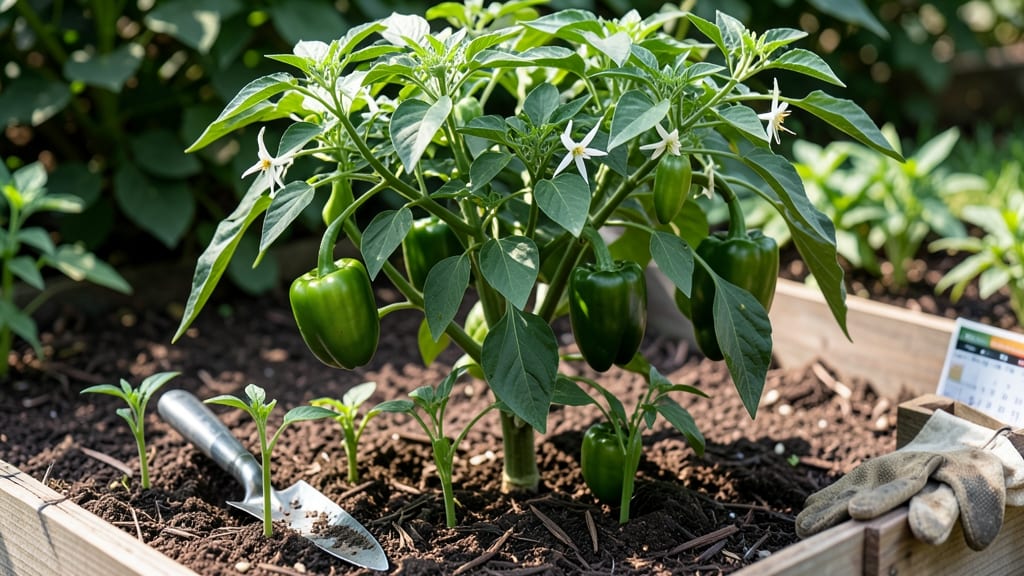
Timing your bell pepper planting in Washington State isn’t just about waiting for spring—it’s about outsmarting the region’s unpredictable shifts from rainy Pacific Northwest chill to scorching inland heat. Get the window wrong, and you’ll either lose seedlings to frost or watch them wilt before they bear fruit.
I’ve grown 🌶️ peppers across WA’s diverse zones, and the difference between a thriving garden and a failed attempt often comes down to one week of perfect timing. Whether you’re in Seattle’s damp coastal zone or Spokane’s hotter inland valleys, knowing when to plant—indoors or outdoors—makes all the difference.
You’ll learn the exact frost-free dates for your area, how to choose fast-maturing varieties that thrive in WA’s short season, and why soil temperature matters more than calendar months. Let’s turn your pepper dreams into a harvest-worthy reality.
From starting seeds indoors in March to transplanting hardened seedlings after May 15th (or later in cooler zones), I’ll walk you through the steps that actually work. No guesswork—just proven strategies for bell pepper success in every corner of the Evergreen State.
Washington State bell pepper planting dates by USDA hardiness Zone
Washington State spans USDA Zones 7 through 9, creating wildly different planting windows for bell peppers. In Zone 7 (eastern WA like Spokane), you’ll need to start seeds indoors by March 1 and transplant after the last frost date (May 15).
Meanwhile, Zone 9 (Yakima Valley) can direct-sow seeds as early as April 15—but only if soil temperatures hit 60°F+.
Microclimates add another layer: Seattle’s coastal fog delays planting by 2–3 weeks compared to dry inland valleys. Always check your local first frost dates—Seattle averages October 15, while Spokane drops to frost by October 1. Planting too early risks cold soil, which stunts growth.
For direct-sown seeds, wait until soil warms to 60°F+ (use a soil thermometer!). In Zone 8 (Olympia, Wenatchee), this typically means May 1–15. Start seeds indoors 8–10 weeks before your last frost date to give seedlings a head start.
Key rule: Bell peppers hate cold soil. If you plant too soon, roots won’t develop properly, leaving your plants vulnerable to disease and pests. Use black plastic mulch to warm soil faster in cooler zones.
Here’s a quick reference for Washington’s planting zones, including soil temperature thresholds and frost-free windows:
| Zone | Last Frost Date | Ideal Planting Window | Soil Temp Requirement | Notes |
|---|---|---|---|---|
| 7 (Spokane, Pullman) | May 15 | Indoors: Mar 1 Outdoors: May 30 |
60°F+ | Use row covers for early starts |
| 8 (Olympia, Wenatchee) | May 1 | Indoors: Feb 15 Outdoors: Apr 15 |
60°F+ | Dry inland areas plant 2 weeks earlier |
| 9 (Yakima Valley) | Apr 15 | Direct sow: Apr 15 Transplant: May 1 |
65°F+ | Longest growing season—try late varieties |
In Zone 7, where frost lingers longer, I recommend staggered planting: Start your first batch indoors in March, then follow with weekly sowings until May 15. This extends your harvest window by 4–6 weeks.
For high-altitude areas (e.g., Mount Rainier foothills), add 2–3 weeks to all deadlines. Cold air pools in valleys, so plant on south-facing slopes where warmth lingers longer.
Pro tip: Use a seedling heat mat to jumpstart germination in cool zones. It adds 5–7°F to soil temperature, helping seeds sprout faster. Pair it with grow lights for 14–16 hours of light daily until seedlings are hardened off.
Always harden off seedlings for 7–10 days before transplanting. Acclimate them to outdoor conditions by placing them in partial shade during the day and bringing them in at night. This reduces transplant shock by up to 80%.
If you’re in Zone 8 or 9, don’t wait too long—bell peppers need 75–90 days to mature. Plant your last batch by July 1 to ensure harvests before the first frost. In Zone 7, aim for June 15 as your final planting date.
Washington State bell pepper planting dates by USDA hardiness Zone
Washington State spans USDA Zones 7-9, but the real challenge isn’t just the zone—it’s the microclimates that turn a simple planting guide into a regional puzzle.
Coastal areas like Seattle (Zone 8) can linger chilly until June, while inland valleys like the Yakima Valley (Zone 7) might hit 60°F soil temps by late April. Timing isn’t one-size-fits-all, and getting it wrong means frost damage or stunted growth.
For bell peppers, the golden rule is: plant when soil temps hit 60°F+ consistently. This usually aligns with your last frost date plus 2-3 weeks, but don’t rely solely on frost charts—soil thermometers are your best friend.
In Zone 7 (e.g., Spokane), aim for May 1st outdoors or start seeds indoors by March 15th. Zone 8 (Seattle) gardeners can push outdoors to May 15th, while Zone 9 (Yakima) might even squeeze in an early April start.
Here’s the frost-free timeline broken down by zone, including key milestones for seed starting and transplanting:
| Zone | Last Frost Date | Start Seeds Indoors | Transplant Outdoors | Soil Temp Requirement |
|---|---|---|---|---|
| Zone 7 (Spokane, Wenatchee) | April 15–May 1 | March 1–15 | May 1–15 | 60°F+ (consistent) |
| Zone 8 (Seattle, Olympia) | April 1–15 | March 15–April 1 | May 15–June 1 | 60°F+ (wait for warmth) |
| Zone 9 (Yakima, Moses Lake) | March 15–April 1 | February 15–March 1 | April 15–May 1 | 55°F+ (earlier possible) |
*Adjust dates 1–2 weeks later for high-altitude areas (e.g., Mount Rainier foothills).
Pro tip: Use black plastic mulch in cooler zones to warm soil faster. I’ve seen it raise ground temps by 10°F in just days, letting me transplant peppers weeks earlier than the calendar suggests.
Pair this with row covers for extra frost protection if early blooms appear before summer settles in.
One mistake I’ve seen new WA gardeners make? Planting by the calendar instead of soil conditions. A May 1st transplant in Seattle might still face frost if nights dip below 40°F. Always check a 7-day forecast and confirm soil temps before committing.
Hardening off seedlings is critical too—skip this, and your peppers will shock and stall.
For high-altitude areas (e.g., Mount Rainier or North Cascades), push planting dates back by 2–3 weeks. These regions often have Zone 6 conditions, and peppers simply won’t thrive if planted too early. Consider container gardening with heat mats to extend your season.
Finally, remember that bell peppers are heat lovers. They’ll bolt or produce poorly if summer temps exceed 90°F for weeks. In inland WA, provide afternoon shade during heatwaves to keep plants happy until fall cools down.
With these zone-specific dates and tricks, you’ll avoid the most common pitfalls and enjoy a harvest from July through October.