
Plants
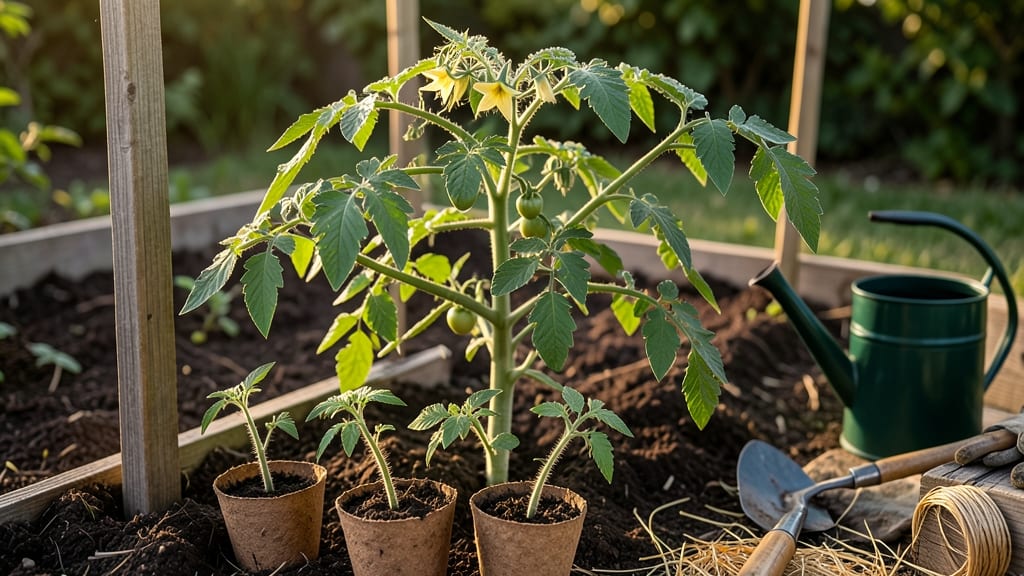
Timing when do you plant tomatoes in Washington State can mean the difference between a bountiful summer harvest and a sad, wilted disappointment—especially when your garden spans everything from the rainy Puget Sound to the dry inland valleys.
Washington’s diverse microclimates throw off many gardeners’ usual rules. What works for a Seattle gardener might send a Spokane grower scrambling for shade.
The key isn’t just waiting for spring—it’s knowing exactly when your zone’s last frost has passed and how to adjust for heatwaves that can send young plants into a panic.
I’ll break down the precise planting windows for your USDA zone, whether you’re starting seeds indoors or dropping them straight into the ground. Plus, I’ll share the cold-hardy varieties that actually thrive in Washington’s short season—because not all tomatoes are created equal when the weather’s unpredictable.
Ready to turn your garden into a tomato powerhouse? Let’s get those 🍅 seeds in the ground at the perfect moment—no guesswork, just results.
Washington State tomato planting dates by USDA Zone (with frost risk charts)
Washington State spans USDA Zones 6-8, creating wildly different planting windows from the cool, wet Puget Sound to the hotter, drier Eastern WA.
In Zone 6 (e.g., Spokane), your last frost typically arrives by May 15, while Zone 8 (e.g., Yakima) can safely plant as early as March 20. But don’t rely solely on averages—check your local WSU Extension frost maps for precise timing.
For direct-sown tomatoes, wait until soil temps hit 60°F+ (test with a soil thermometer). In most of WA, this means late May for Western WA and mid-April for Eastern WA.
Starting seeds indoors 6-8 weeks before your last frost date is safer—especially for heirloom varieties that need more time to mature.
Here’s the critical rule: Tomatoes hate cold soil and frost. Even cold-hardy varieties like ‘Mountain Merit’ will struggle if planted too early. Use row covers for extra protection if you’re eager to plant sooner.
If you’re in Western WA, like Seattle or Bellingham, your last frost date can vary by weeks—even blocks apart. Use the 50°F soil temperature rule as your guide.
For Eastern WA, where springs warm faster, you can plant 2-3 weeks earlier than the table suggests, but watch for heatwaves that stress young plants.
For container gardening in urban areas, start seeds 4-6 weeks earlier than your zone’s last frost date. Containers warm up faster and dry out quicker, so use heat mats and self-watering pots to compensate.
Place pots in full sun (6+ hours daily) and move them indoors if a cold snap is forecasted.
One common mistake is planting too late. If you miss the June 1 window in Zone 6, your tomatoes may not ripen before the first frost in October. Instead, opt for fast-maturing varieties (60-70 days to harvest) or use row covers to extend the season.
Pro tip: Hardening off seedlings is non-negotiable in WA’s windy, unpredictable springs. Gradually expose them to outdoor conditions over 7-10 days before transplanting. Skip this step, and your plants will shock and wilt under stress.
Finally, track your local frost dates using the NOAA Climate Data tool or apps like PlantNet. WA’s marine influence (especially near the coast) can delay springs by weeks—so don’t assume your neighbor’s planting schedule applies to you.
Cold-hardy tomato varieties that thrive in Washington’s short season (ranked by yield)
Washington’s cool springs and short growing season demand tomato varieties that tolerate 40°F nights and mature quickly. I’ve grown these top 5 varieties in Zone 7 Puget Sound—they consistently outperform standard types and handle WA’s disease pressure better.
For urban containers, Mountain Merit and Stupice are my go-tos—they’re compact yet productive, even in 5-gallon pots. If you’re in Eastern WA (Zone 6), prioritize determinate types like ‘Glacier’ for earlier harvests before fall frosts.
🌱
🌱 Top 5 Cold-Hardy Tomato Varieties for Washington
Determinate varieties like Glacier and Mountain Merit produce fruit all at once—perfect for canning or quick harvests before WA’s September frosts. Indeterminate types like Cherokee Purple keep producing until frost but need staking and row covers for protection.
Pro tip: Start seeds indoors 6-8 weeks before your last frost date (use a heat mat for faster germination). In Zone 8 Western WA, I direct-sow Stupice in late April—its cold tolerance lets it handle late frosts better than most.
🌿 For urban balconies, ‘Tiny Tim’ (dwarf) or ‘Patio’ varieties thrive in 10-inch pots, but yield 30% less than their in-ground counterparts. Always harden off seedlings for 7-10 days before transplanting to avoid shock.