
Companion Plants
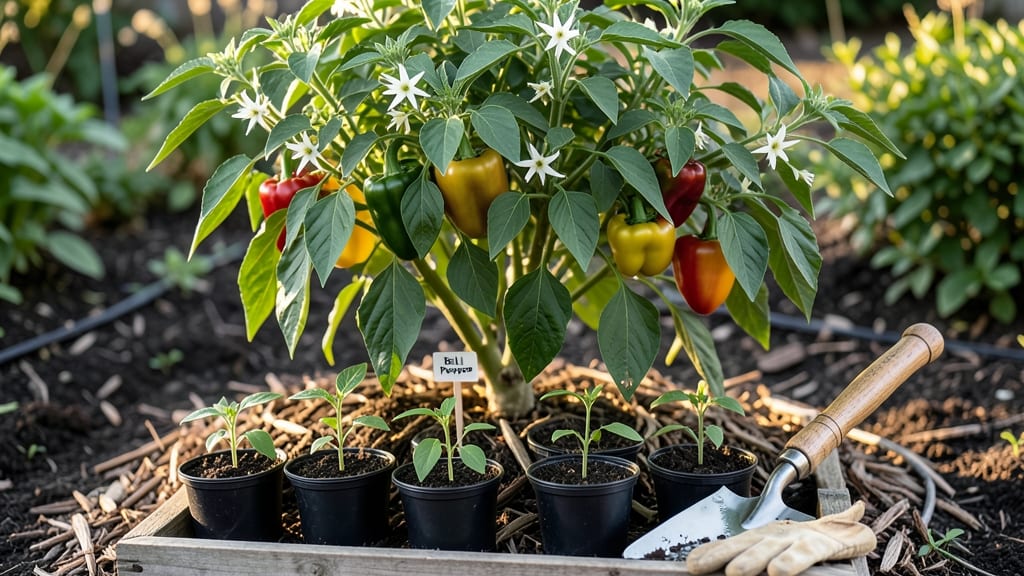
Knowing when to plant bell peppers in PA can mean the difference between a bumper crop of crisp, flavorful 🌶️ and a season of disappointment. Pennsylvania’s unpredictable weather—from late spring frosts to sudden summer heat waves—demands precision timing to give your peppers the best shot at thriving.
Most gardeners in zones 5b-7a wait until after the last frost date, typically around April 15, but that’s just the starting point. The real secret lies in understanding your microclimate—whether you’re in the cooler Appalachian foothills or the warmer valleys near Philadelphia.
A few weeks can separate a thriving plant from one struggling to catch up.
In this guide, I’ll break down the exact windows for starting seeds indoors, transplanting seedlings, and direct sowing—plus how to adjust for your specific corner of the state. No more guessing whether your soil is warm enough or if those peppers will mature before the first frost bites.
By the end, you’ll have a clear, actionable plan to plant your bell peppers at the perfect moment for your garden’s unique conditions—so you can enjoy a harvest from July through October without the stress.
Pennsylvania’s frost-free planting zones: when to start bell peppers indoors and outdoors
Bell peppers are warm-season lovers that need consistent temperatures above 50°F to thrive. In Pennsylvania, where USDA zones 4-7 create varied growing conditions, timing is everything. Plant too early, and frost will kill your seedlings; too late, and you’ll miss the 165-day growing season before the first frost.
Let’s break down the perfect planting windows for your region.
Pennsylvania’s last frost dates vary dramatically. In Erie (Zone 6a), you can expect frost by April 15, while Philadelphia (Zone 7a) typically sees its last frost around April 20.
Meanwhile, Pittsburgh (Zone 6b) and the Poconos (Zone 5b) often wait until May 1 or later. These differences mean your planting strategy should adjust based on where you live.
For indoor seed starting, begin 8-10 weeks before your area’s last frost date. In Zone 5b (Poconos), that means February 15-March 1. In Zone 7a (Philadelphia), you can wait until March 15-April 1.
Use grow lights or a sunny windowsill to give seedlings 12-14 hours of light daily until they’re ready to transplant.
Outdoor planting happens after soil warms to 60°F and all frost risk has passed. In Erie and western PA, this is usually May 10-20. In Philadelphia and eastern PA, you can plant as early as April 25-May 5.
Hardening off seedlings for 7-10 days before transplanting helps them adjust to outdoor conditions.
Direct sowing bell peppers is also an option, but it requires warmer soil and no frost risk. In Zone 6-7 areas, you can direct sow April 30-May 15.
In cooler Zone 5b, wait until May 20-June 1 to avoid frost damage. Direct-sown peppers may take slightly longer to mature but can be more resilient to transplant shock.
Here’s a quick comparison to help you decide between indoor starts and direct sowing based on your location:
If you’re in Zone 5b (Poconos, Altoona), prioritize indoor starts to maximize your short growing season. These areas benefit from longer indoor growing times (up to 10 weeks) to ensure peppers mature before frost.
In Zone 7a (Philadelphia, Reading), you can afford to start seeds slightly later and still enjoy a full harvest.
Pro tip: Use black plastic mulch or row covers to warm soil faster in cooler zones. This can shave 1-2 weeks off your transplant window, giving peppers more time to grow. Just
Timing isn’t just about dates—it’s about soil temperature. Use a soil thermometer to confirm your garden bed is ready. Peppers won’t thrive in cold soil, even if air temperatures are warm. Aim for 60°F+ at a 4-inch depth before planting.
For container gardening, start seeds indoors 2 weeks earlier than ground planting dates. Containers heat up faster and can be moved to protected spots if frost threatens. Just ensure pots have drainage holes and use lightweight potting mix to prevent root rot.
Finally, keep an eye on local weather forecasts in the weeks leading up to your transplant date. A late frost can wipe out young plants, so have row covers or a cold frame ready to protect seedlings if needed.
With the right timing, your bell peppers will reward you with a bounty of sweet, crisp harvests from July through October.
Microclimate adjustments: how elevation, soil, and urban heat islands affect bell pepper planting
Pennsylvania’s microclimates can shift planting windows by weeks, so don’t rely on your neighbor’s schedule. If you’re in the Appalachian foothills (like Poconos or Allegheny Mountains), cooler air lingers longer—delaying planting by 2-3 weeks compared to valleys.
Meanwhile, urban gardens in Philadelphia or Pittsburgh may warm up faster due to heat islands, letting you plant earlier.
Soil temperature is the real game-changer. Bell peppers need 60°F+ soil to thrive, but mountain soils stay cold longer. Use a soil thermometer—if it’s below 60°F, wait. In cities, black plastic mulch can warm soil 5-10°F faster, letting you plant 10-14 days earlier than rural areas.
🌱
Warning: Wind and Frost Risks
- Mountain gardens: Wind can stunt young seedlings—use windbreaks or plant near fences.
- Valleys: Cold air pools at night—cover seedlings with frost cloth if temps dip below 50°F.
- Urban areas: Heat islands can cause blossom drop—water deeply in dry spells to prevent stress.
Your garden’s exposure matters too. South-facing slopes warm up 2 weeks earlier than north-facing spots. If your yard is shaded by trees, consider container growing—you can move pots to sunnier spots as needed.
Even a 10-foot difference in elevation can mean 3-5°F cooler temps, delaying planting by 1-2 weeks.
Test your soil’s warmth by pressing your hand into the ground—if it feels cooler than your wrist, wait. For container gardeners, use black pots (they absorb heat faster) or place containers on dark mulch to speed up warming.
In Zone 5b areas (like Erie), aim for May 1 as your cutoff; in Zone 7a (like Lancaster), you can start as early as April 15.
Pro tip: Group peppers near tall plants like corn to create microclimates that trap heat. Avoid planting near large trees—their roots compete for warmth and moisture. By adjusting for your microclimate, you’ll extend your growing season by 2-4 weeks, ensuring peppers mature before the first frost.
🌿