
Plants
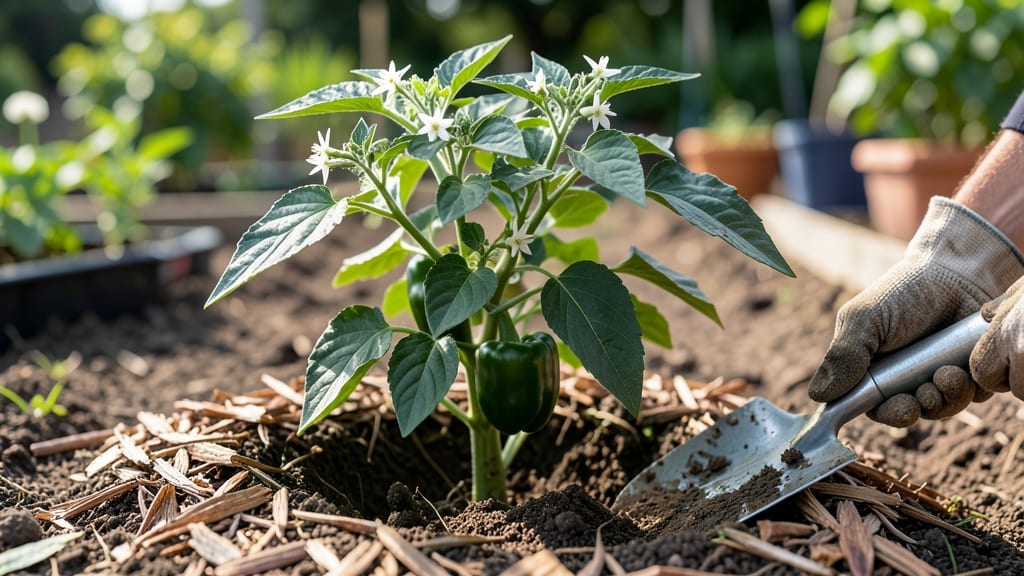
Timing your 🌶️ bell pepper planting in Oregon isn’t just about the calendar—it’s about surviving the state’s wild swings from coastal fog to inland heat.
Plant too early, and a late frost will turn your seedlings into sad, wilted snacks; too late, and you’ll miss the sweet spot for a bountiful harvest. The right window means the difference between a garden full of vibrant peppers and one that barely breaks even.
Here’s the truth: Oregon’s 7b-9a zones demand precision, especially when bell peppers need soil temperatures above 60°F to thrive. Whether you’re in Portland’s mild Willamette Valley or Medford’s warmer high desert, your planting schedule should align with local frost dates—not just the USDA zone.
I’ll break down the exact dates you need to start seeds indoors or transplant outdoors, so you can avoid the most common mistakes Oregon gardeners make.
Why does this matter? Because bell peppers are finicky—they need 165-200 frost-free days to mature, and Oregon’s unpredictable weather can throw off even the best-laid plans. By mastering the timing, you’ll not only protect your investment but also ensure your garden delivers juicy, homegrown peppers from July through October.
Let’s get you started on the right foot.
In this guide, you’ll discover how to adjust your planting schedule based on your specific microclimate, whether you’re dealing with urban heat islands, sheltered valleys, or windy coastal areas.
Plus, I’ll share pro tips from Oregon State University Extension to help you fine-tune your approach. Ready to turn your garden into a pepper powerhouse? Let’s dive in.
Oregon’s last-frost dates by region: when to start bell pepper seeds indoors
Bell peppers (🌶️) are heat-lovers that need 8–10 weeks of indoor growing before transplanting outdoors. Oregon’s last-frost dates vary wildly—from mid-March in Portland to late April in the High Desert. Missing this window means frost-killed seedlings or stunted growth. Here’s your region-specific schedule to avoid these pitfalls.
For Portland and the Willamette Valley, start seeds indoors by February 15 to transplant after April 15.
In Medford and Southern Oregon, wait until March 1 for indoor starts, with May 1 as your outdoor transplant deadline. High Desert areas like Bend need even later starts—March 15 indoors for June 1 planting.
The coastal regions (e.g., Astoria, Cannon Beach) have earlier last-frost dates (around March 10), but cooler soils delay planting.
Use black plastic mulch to warm soil faster and extend your season. Columbia Gorge gardeners fall between Willamette Valley and High Desert timelines—aim for March 1 indoors and May 15 outdoors.
🌱Pro Tip: Check soil temperature before transplanting—bell peppers need at least 60°F to thrive. Use a soil thermometer to confirm readiness, especially in cooler microclimates.
📅 Key Deadlines by Region
| Region | Last Frost Date | Start Seeds Indoors | Transplant Outdoors | Notes |
|---|---|---|---|---|
| Portland/Willamette Valley | March 15 | February 15 | April 15 | Use row covers for late frosts |
| Medford/Southern Oregon | April 1 | March 1 | May 1 | Longer growing season; plant heat-tolerant varieties |
| High Desert (Bend) | May 1 | March 15 | June 1 | Use black plastic mulch to warm soil |
| Coastal (Astoria) | March 10 | February 1 | April 1 | Choose early-maturing varieties |
| Columbia Gorge | April 10 | March 1 | May 15 | Protect from wind with trellises |
If you’re direct-sowing seeds outdoors (not recommended for bell peppers due to slow germination), wait until after May 1 in most regions. However, indoor starts give you a 4–6 week head start and bigger yields.
For high-altitude areas like Mount Hood, push starts to late March to avoid late-spring frosts.
💡 Expert Insight: Oregon State University Extension recommends hardening off seedlings for 7–10 days before transplanting. This means gradually exposing them to outdoor conditions (wind, sun, temperature swings) to prevent shock. Start with 2 hours/day and increase to full sun by transplant week.
For urban gardeners in Portland, microclimates can shift planting times by 2–3 weeks. If your yard is sheltered and warmer (e.g., near buildings), you can transplant 1–2 weeks earlier
Microclimate-specific planting tips: adjusting for Oregon’s unique zones
Oregon’s microclimates can shift your bell pepper planting window by weeks. In Portland’s urban heat islands, for example, soil warms faster than in the cooler Willamette Valley.
Meanwhile, coastal areas like Cannon Beach may need a delayed start due to lingering fog. Understanding these variations lets you fine-tune your schedule for peak success.
For high-desert regions like Bend or La Pine, aim to start seeds indoors by March 1—soil warms quickly, but late frosts (even in May) can still occur.
In contrast, coastal gardens should wait until April 15 at the earliest, as ocean breezes delay warming. Use Oregon State University’s frost maps to pinpoint your exact zone.
Here’s how to adjust for your specific area:
- Urban Heat Islands (Portland, Salem): Start seeds 2 weeks earlier (by February 15)—soil heats up faster in paved areas. Use black plastic mulch to accelerate warming.
- Willamette Valley (Eugene, Corvallis): Stick to March 1 indoor start—cooler nights slow soil warming. Elevate beds with compost-rich soil to retain heat.
- High Desert (Bend, Redmond): Plant direct-sow in late May if frost risk remains. Choose shorter varieties (e.g., ‘Sweet Banana’) for quicker harvests.
- Coastal (Astoria, Newport): Delay until May 1—fog often lingers until June. Protect seedlings with floating row covers if transplanting early.
- Columbia Gorge (Hood River): Balance timing—start seeds by March 10 but wait until May 15 to transplant. The gorge’s rapid temperature swings demand caution.
Soil temperature is your true guide, not just calendar dates. Use a soil thermometer to confirm 60°F+ before transplanting—cold soil stunts root growth. In windy areas, like the Columbia River Gorge, create windbreaks with burlap or straw bales to shield delicate seedlings.
Extend your growing season with season extenders. Cold frames or low tunnels can push harvests into October in sheltered valleys. For coastal gardens, row covers add 4–6°F protection against late frosts. Even in warm zones, mulching with straw keeps roots cool during 90°F+ heatwaves.
Pro tip: Monitor local weather patterns for 3–5 years to spot trends. For example, Medford’s last frost has shifted 2 weeks earlier in recent decades due to climate change. Adjust your schedule accordingly—bell peppers thrive with consistency, not guesswork. 🌱