
Plants
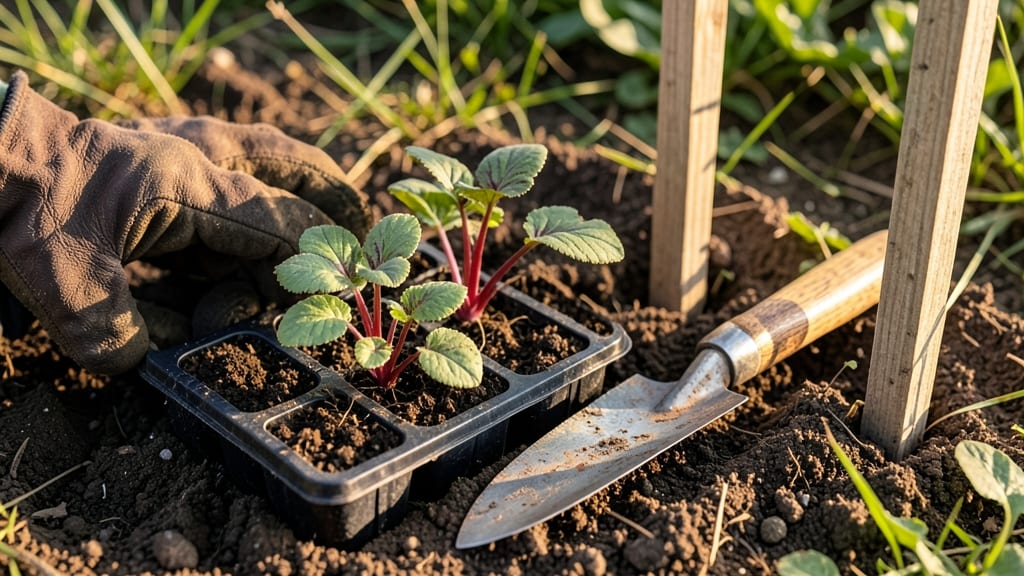
Timing when to plant beets in Southern California isn’t just about following a calendar—it’s about outsmarting the heat and avoiding that dreaded bolted mess. Skip the summer months, and you’ll miss out on sweet, tender roots; plant too late, and your beets might struggle before winter sets in.
Here’s the secret: fall and early spring are your golden windows, but the exact timing depends on whether you’re in coastal Zone 10, inland Zone 9, or desert-adjacent areas.
I’ll break down the best months to sow seeds, how to prep your soil for success, and even how to stretch your harvest season with clever tricks.
Why does this matter? Because beets thrive in cooler weather, and Southern California’s microclimates can turn a great planting window into a disaster if you’re not careful. Let’s dive into the perfect schedule—so you can enjoy fresh, homegrown beets from November through June without the stress.
You’ll learn how to read your local frost dates (yes, even in a frost-free zone), when to water like a pro, and which beet varieties hold up best in the heat. Ready to grow beets that actually last? Let’s get started.
Best planting windows for beets in Southern California’s climate zones
Southern California’s Mediterranean climate creates unique challenges for growing beets—too early, and they bolt from cool temperatures; too late, and summer heat turns them woody. The key is planting during cooler months when daytime temps stay below 75°F.
But timing varies dramatically between coastal, inland, and desert regions.
Coastal areas (like Zone 10 in Malibu or Santa Barbara) enjoy milder winters, while inland valleys (like Zone 9 in Riverside or Lancaster) face occasional frost.
Desert-adjacent zones (like Zone 8 in Palm Springs) have extreme heat fluctuations. Let’s break down the optimal planting windows for each microclimate to maximize your harvest.
🌱 Pro Tip: Use a soil thermometer to confirm soil temps are between 50-70°F before planting—this prevents bolting or stunted growth.
| Climate Zone | Ideal Planting Months | Avoid Planting | Key Consideration |
|---|---|---|---|
| Coastal (Zone 10) | September–November, February–March | June–August (heat stress), December–January (risk of frost in rare inland coastal areas) | Mild winters allow year-round planting with shade cloth in summer. |
| Inland Valleys (Zone 9) | September–October, February–March | April–August (extreme heat), December–January (light frost risk) | Use row covers in fall/winter to protect from rare frost. |
| Desert-Adjacent (Zone 8) | September–October, February–March | May–September (intense heat), December–January (cold snaps) | Prioritize heat-tolerant varieties and drip irrigation. |
For coastal gardeners, the fall window (September–November) is ideal because daytime temps stay in the 60s–70s°F, perfect for beet growth. Plant again in February–March for a spring harvest before summer heat arrives.
Inland areas should focus on early fall (September) to avoid winter chill, while desert zones benefit from late summer sowing (August) to beat the worst heat.
One common mistake? Planting beets in late spring (April–May). By then, soil temps often exceed 75°F, causing beets to bolt or develop woody roots. Instead, opt for succession planting—sow every 2–3 weeks in fall to stagger harvests through winter.
💡 Light Needs: Beets thrive in full sun (6+ hours/day), but in Zone 10 coastal areas, afternoon shade (via lattice or shade cloth) can prevent bolting during late-summer heatwaves.
Soil prep is equally critical. Amend your beds with compost or aged manure to improve drainage—beets hate soggy soil. Aim for a pH of 6.0–7.0 and loosen the top 12 inches of soil to accommodate their deep taproots.
In sandy desert soils, mix in peat moss to retain moisture.
Finally, spacing matters. Plant seeds 1 inch deep and 1 inch apart, thinning seedlings to 3–4 inches apart when they’re 2 inches tall. This prevents overcrowding, which leads to small, misshapen roots. In containers, use 5-gallon pots for 1–2 plants per pot.
With these zone-specific timelines, you’ll avoid the #1 beet-growing mistake in Southern California: planting at the wrong time and ending up with bitter, bolted greens instead of sweet, tender roots. Stick to these windows, and you’ll enjoy fresh beets from November through June—no summer slump required! 🌿
Best planting windows for beets in Southern California’s climate zones
Southern California’s Mediterranean climate creates unique challenges for beet growers. Unlike northern regions, we don’t have traditional frost dates to guide planting—just heat stress and bolting risks. The key is planting when daytime temperatures stay below 75°F and nights dip below 60°F.
Your USDA zone matters more than the calendar. Coastal areas (Zone 10) have milder winters, while inland valleys (Zone 9) and desert edges (Zone 8) experience more extreme heat. Let’s break down the optimal planting windows for each region to maximize your beet harvest.
For coastal gardeners, I recommend starting seeds in September for a fall harvest, then again in February for spring beets. The ocean breeze naturally cools the soil, giving you a longer growing window than inland areas.
Inland growers should focus on August planting for fall harvests before temperatures climb again. Use black plastic mulch to warm the soil faster in spring plantings—this helps beat the heat race. Desert-adjacent areas need the earliest possible starts in October to avoid summer shutdown.
Pro tip: Test your soil temperature before planting. Beets thrive when soil stays between 50-70°F. A simple soil thermometer ($10 at garden centers) prevents costly mistakes. Plant when temps are consistently in this range for at least 3 days.
Remember, succession planting every 2-3 weeks gives you continuous harvests. Even in Southern California, you can enjoy fresh beets from November through June with proper timing and variety selection.