
Plants
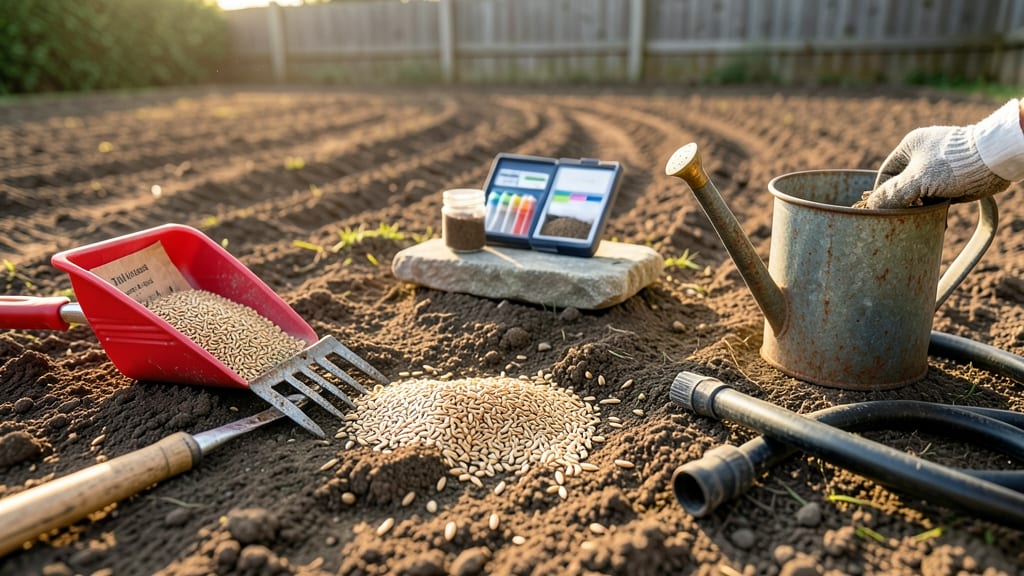
The best time to plant grass seed in North Carolina isn’t just about the calendar—it’s about giving your 🌱 a fighting chance against the state’s shifting seasons and microclimates. Whether you’re in the humid Coastal Plain or the cooler Mountains, planting too early or too late can mean patchy results, wasted seed, and extra work.
Most NC gardeners swear by two sweet spots: early spring (March-April) and late summer/early fall (August-September). Why? Cool-season grasses like tall fescue thrive when soil temps dip below 75°F, while warm-season types need the heat of summer to take root.
But here’s the catch—your exact timing depends on whether you’re in Zone 6a or 8b, and even your local weather quirks.
Let’s cut through the guesswork. I’ll break down the optimal windows for your region, plus the soil prep and watering tricks that turn bare dirt into a thick, green carpet. No more second-guessing—just a lawn that looks like it belongs in a postcard.
Ready to skip the trial-and-error? I’ll show you how to align your planting with North Carolina’s natural rhythms, so your grass grows strong from day one—no matter where you live in the state.
Optimal planting windows for North Carolina grass seed by region and season
North Carolina’s three distinct climate zones—Coastal Plain, Piedmont, and Mountains—each demand different grass seed planting windows. The best time to plant depends on whether you’re growing cool-season or warm-season grass, as well as local soil temperatures and rainfall patterns.
For cool-season grasses like tall fescue and Kentucky Bluegrass, the ideal planting window spans early spring (March-April) and late summer/early fall (August-September). These grasses thrive in cooler temperatures (60-75°F) and establish strong roots before summer heat or winter dormancy.
Warm-season grasses such as Bermuda and Zoysia prefer late spring to early summer (May-June), when soil temperatures consistently stay above 70°F. Planting them too early risks seed rot from lingering cool, wet soil.
Regional microclimates add complexity: Coastal areas (e.g., Wilmington) have warmer winters and longer growing seasons, while mountain regions (e.g., Asheville) experience earlier frosts and shorter windows. Adjust your schedule by 2-4 weeks based on elevation and proximity to the coast.
North Carolina Grass Planting Windows by Region & Season
| Region | Cool-Season Grass | Warm-Season Grass | Soil Temp Threshold | Key Risks |
|---|---|---|---|---|
| Coastal Plain | Feb 15–Mar 15 Aug 15–Sep 30 |
Apr 15–Jun 1 | 60–75°F | Fungal diseases (humidity) |
| Piedmont | Mar 1–Apr 15 Aug 1–Sep 15 |
May 1–Jun 15 | 65–80°F | Drought stress (summer) |
| Mountains | Apr 1–May 1 Aug 15–Sep 10 |
May 15–Jul 1 | 60–70°F | Late frosts (spring) |
*Adjust dates 1–2 weeks based on local weather patterns.
In Coastal Plain regions, the humid summers make late summer planting (August-September) ideal for cool-season grasses, allowing roots to establish before winter. Meanwhile, Piedmont areas benefit from March-April planting, avoiding the region’s hot, dry summers.
For warm-season grasses, May-June is critical across all zones. Planting too early risks seed rot from lingering cool, wet soil, while waiting too late may leave your lawn vulnerable to weeds or summer heat stress.
Always check soil temperatures with a soil thermometer—cool-season grasses need soil at 60–75°F, while warm-season types thrive at 70–85°F. Use a weather forecast to predict 10+ days of dry weather after planting to prevent fungal issues.
Pro tip: Overseeding warm-season grasses in early fall (October) can extend their green season, but only if your region’s first frost is after November 15. In colder mountain areas, this approach may not be viable.
Timing isn’t just about months—it’s about microclimates. A south-facing slope in the Piedmont may warm up faster than a shady valley, creating a 2-week difference in optimal planting windows. Observe your yard’s unique conditions for year-round success.
Optimal planting windows for North Carolina grass seed by region and season
North Carolina’s three distinct regions—Coastal Plain, Piedmont, and Mountains—each demand different planting strategies. The Coastal Plain (Zones 7b-8b) stays warm longer, while the Mountains (Zones 6a-7a) face earlier frosts. Even within these zones, microclimates can shift your ideal window by weeks.
For cool-season grasses like tall fescue and Kentucky Bluegrass, aim for early spring (March-April) or late summer/early fall (August-September). Warm-season types such as Bermuda and Zoysia prefer late spring (May-June) when soil temps hit 65°F+. Planting outside these windows risks poor germination or weed competition.
Here’s how to align your planting with NC’s regional rhythms—plus the soil temp thresholds that separate success from struggle.
| Region | Best Planting Window | Soil Temp Threshold | Grass Types | Key Risks |
|---|---|---|---|---|
| Coastal Plain (Zones 7b-8b) | Late March–April (spring) or Sept 1–Oct 15 (fall) | 55–75°F | Tall Fescue, Bermuda, Centipede | Humidity/fungal growth |
| Piedmont (Zones 6b-7a) | Mid-April–May (spring) or Aug 15–Sept 15 (fall) | 60–70°F | Kentucky Bluegrass, Zoysia | Late frosts, drought |
| Mountains (Zones 6a-7a) | Late April–May (spring) or Aug 1–Sept 1 (fall) | 50–65°F | Tall Fescue, Fine Fescue | Short growing season |
In the Coastal Plain, for example, planting Bermuda grass in late May gives it the warm soil it craves, while tall fescue in September avoids summer heat stress. Mountain gardeners should push planting to late April to dodge May frosts—check your local NC State Extension for frost alerts.
Pro tip: Use a soil thermometer ($10 at garden centers) to confirm temps. Cool-season grasses stall below 50°F, while warm-season types need 70°F+ to germinate. Skip the guesswork—your lawn’s future depends on it.
Even with perfect timing, watering discipline is non-negotiable. New seed needs 1–1.5 inches of water weekly (including rain) until germination. Set a reminder—consistency beats intensity every time.