
Plants
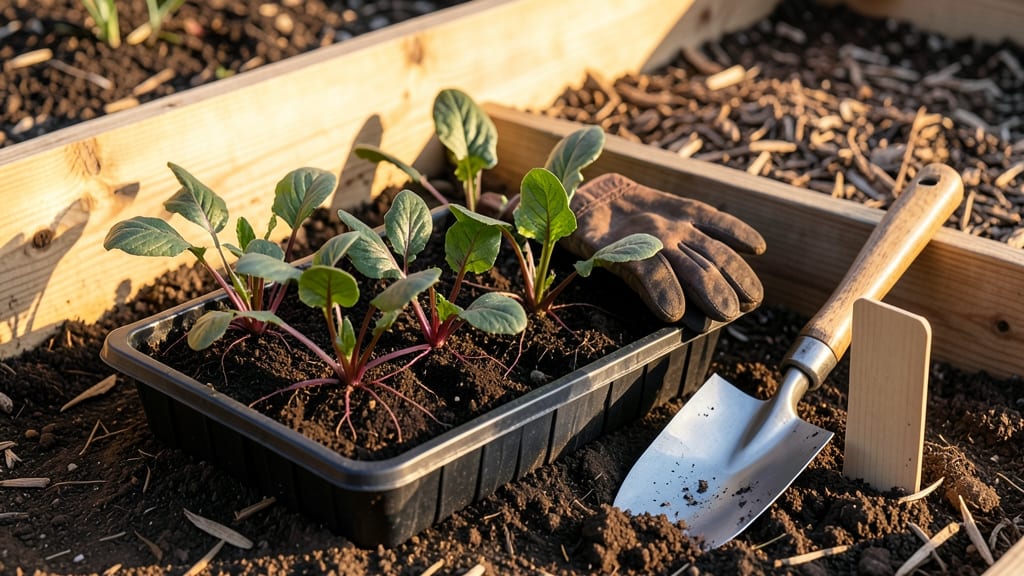
Timing when to plant beets in North Carolina just right can mean the difference between a bumper crop of sweet, tender roots and a disappointing harvest.
With the right planting schedule, you’ll enjoy fresh 🍠 harvests from May through November—but get it wrong, and you might end up with bitter, woody beets or plants that bolt too quickly.
North Carolina’s 7a-8b climate zones offer two perfect windows: early spring (March) and late summer (July-August). These months align with soil temperatures and daylight that beets love, while avoiding the extreme heat of mid-summer or the frost risks of early fall.
But here’s the catch—your exact timing depends on whether you’re in the mountains, Piedmont, or coastal plains.
I’ll walk you through the exact months to plant for your region, plus how to adjust for NC’s unpredictable weather. You’ll learn when to start seeds indoors, how to extend your growing season, and which beet varieties thrive best in our climate. Let’s get your garden set up for success!
By the end, you’ll know exactly when to pop those seeds in the ground for a harvest that’s sweeter and more abundant than ever. No more guesswork—just science-backed advice tailored to your backyard.
Best planting months for beets in North Carolina’s climate zones
North Carolina’s diverse climate—from the humid Coastal Plain to the cooler Appalachian Mountains—means beet planting windows vary by region. The key is aligning your schedule with soil temperatures (ideal: 50-75°F) and frost-free periods.
For most of NC, this means two primary planting seasons: early spring (March-April) and late summer (July-August). Let’s break it down by zone to avoid bolting or heat stress.
In the Coastal Plain (Zones 8a-8b), where winters are mild, you can start sowing beet seeds as early as February in protected beds. The last frost typically occurs by mid-March, giving you a 6-month growing window.
This region’s longer warm season also allows for a second planting in August for a fall harvest before the first frost in mid-November.
For the Piedmont (Zones 7a-7b), including Raleigh and Charlotte, aim for March 15-April 15 for spring plantings. Soil warms slower here, so wait until daytime temps consistently reach 60°F.
The late summer window shifts to July 15-August 15 to beat the heat. First frosts arrive October-November, so plan harvests before then.
In the Mountains (Zones 6a-7a), like Asheville and Boone, cold snaps linger longer. Start seeds indoors by March 1 and transplant outdoors after April 15, when nighttime temps stay above 40°F.
The fall window narrows to July 20-August 10 due to earlier frosts (September-October). Use row covers to extend the season if needed.
| Climate Zone | Spring Planting Window | Fall Planting Window | Last Frost Date | First Frost Date |
|---|---|---|---|---|
| Coastal Plain (8a-8b) | February-March | August-September | Mid-March | Mid-November |
| Piedmont (7a-7b) | March 15-April 15 | July 15-August 15 | April 1 | October-November |
| Mountains (6a-7a) | April 15-May 1 | July 20-August 10 | May 10 | September-October |
Urban gardeners in cities like Raleigh or Greensboro may face microclimates with later frosts due to concrete heat. Monitor local NC State Extension frost maps and adjust planting dates by 1-2 weeks if needed. For example, a rooftop garden in Charlotte might need shade cloth in July to prevent bolting.
Succession planting is your secret weapon for continuous harvests. In the Coastal Plain, sow new seeds every 2 weeks from March to August. In the Piedmont, stick to 3-week intervals from April to July.
This ensures you’re always harvesting young, tender beets instead of waiting for a single massive crop.
Pro tip: Test your soil temperature with a soil thermometer before planting. Beets won’t germinate well in soil colder than 50°F. If temps dip below this, wait 1-2 weeks or use black plastic mulch to warm the soil faster.
This is especially critical in the Mountains, where spring soil can stay chilly well into April.
For fall plantings, prioritize heat-tolerant varieties like ‘Cylindra’ or ‘Detroit Dark Red’ to handle NC’s 90°F+ summer heatwaves. Start seeds in late July when daytime temps begin to drop. Aim to harvest before September 15 in most zones to avoid frost damage.
Remember: Beets are cool-season crops, so they’ll bolt (go to seed) if stressed by heat or drought. In NC’s Zone 8b summers, this means avoiding plantings after mid-August. Instead, focus on fall succession for a second harvest window.
🌱
How to adjust planting for North Carolina’s unpredictable weather patterns
North Carolina’s variable climate can throw off even the best-laid planting plans. From sudden heatwaves to late spring frosts, I’ve learned to adapt my beet planting schedule to keep my harvests on track.
The key is flexibility—knowing when to push your timeline or pull back based on weather forecasts and microclimates in your garden.
For example, if your last frost date shifts later than expected (like it often does in the mountains), don’t rush to plant. Cold soil slows germination, and beets hate soggy conditions.
I’ve seen seedlings rot when planted too early in Piedmont gardens after unexpected rain. Wait until soil temps hit 50°F—use a soil thermometer to check!
Here’s my go-to adjustment strategy: Plant your first batch of seeds 2-3 weeks earlier than your average last frost date (around mid-March), but always have row covers ready.
These lightweight fabrics protect young plants from late frosts while letting sunlight through. I’ve used them to extend my spring planting window by 3-4 weeks in Coastal NC without issues.
🌡️ Warning: Heat Stress Risks
July-August planting is ideal, but NC’s summer heat (especially in the Piedmont) can cause beets to bolt prematurely. If daytime temps hit 90°F+ consistently, switch to shade cloth (30-50% coverage) to keep soil temps below 85°F. I’ve seen Detroit Dark Red varieties survive better under partial shade during peak summer.
Pro Tip: Water deeply in the early morning to cool roots and reduce stress. Avoid evening watering—it promotes fungal diseases in NC’s humid summers.
Don’t overlook drought conditions, either. Beets need consistent moisture, especially during root development. In dry years (like 2020 in the Coastal Plain), I’ve seen yields drop by 40% when rain skipped July.
Mulch with straw or wood chips to retain moisture and keep roots cool. For container gardens, use self-watering pots to prevent soil from drying out too quickly.
For fall planting, aim for mid-August in most of NC, but watch your first frost date. In the mountains, frosts can arrive as early as late September, while the Coastal Plain often holds off until mid-November.
To extend your harvest, try succession planting: Sow a new batch every 2-3 weeks from July through August. This ensures a steady supply of baby beets (harvestable in 45-50 days) even as larger roots mature.
Finally, keep an eye on hurricane season (June-November). If a storm’s forecasted, protect your beet beds with row covers or temporary hoop houses. I’ve lost entire plantings to wind damage when beets were just sprouting—always have a backup plan for extreme weather.
With these adjustments, you’ll turn NC’s unpredictable weather into an advantage, not a roadblock.