
Plants
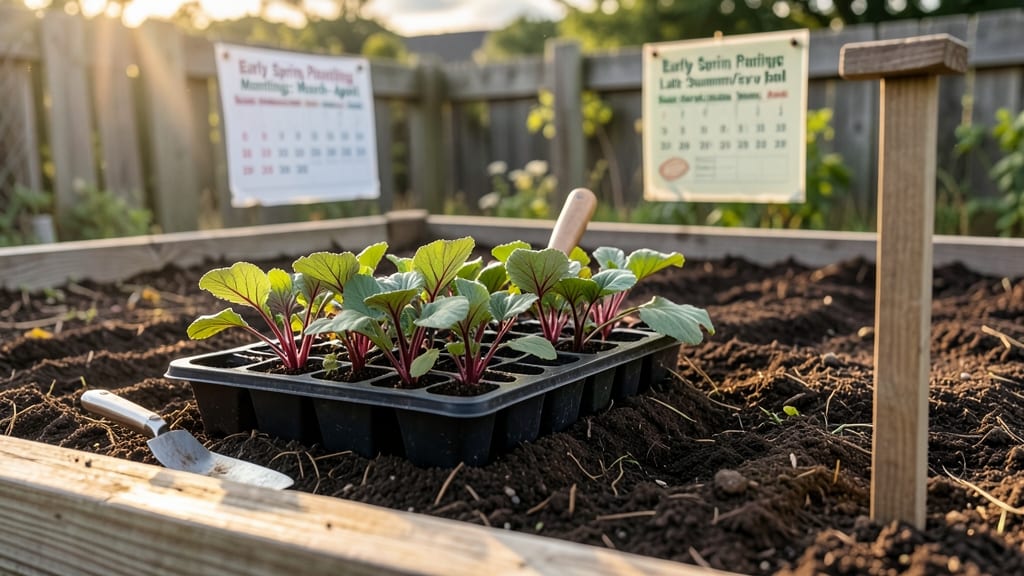
If you’ve ever struggled to grow sweet, tender beets in Massachusetts, the answer lies in timing—specifically, knowing when to plant beets in Massachusetts to avoid frost damage or woody roots.
The 5b-7a climate means your window is narrow, but with the right schedule, you can enjoy fresh harvests from June to November. Whether you’re a first-time gardener or a seasoned pro, planting at the wrong time can turn your hard work into disappointment.
Beets thrive in cool weather, making spring (March–April) and fall (August–September) the ideal seasons. But here’s the catch: planting too early risks frost, while waiting too long can lead to bitter, tough roots.
The key is aligning your seeds with soil temperatures and last-frost dates—especially critical in Zone 5B, where frost can linger until mid-April. Let’s break down the exact timeline so you can maximize your harvest.
You’ll also discover how to stretch your growing season with simple tricks like succession planting and shade cloth, ensuring you get beets all the way through October.
No more guessing—just a foolproof plan tailored to Massachusetts’ unpredictable weather. Ready to dig in? Let’s get those seeds in the ground at the perfect moment.
From seed to table, the difference between a perfect beet harvest and a failed crop often comes down to a few weeks of precision. By following this guide, you’ll avoid common pitfalls and enjoy homegrown beets that rival anything from the grocery store.
Let’s make this your most successful growing season yet!
Massachusetts beet planting calendar: exact dates by frost-free zones
Massachusetts’ Zone 5B climate gives you two prime windows for growing sweet, tender beets: early spring and late summer. The key is avoiding late frosts that kill seedlings and summer heat that turns roots woody.
Let’s break down the exact dates for Worcester, Boston, and coastal areas, plus how to adjust for your microclimate.
For spring planting, aim to sow seeds 4-6 weeks before your last frost date. In most of Massachusetts, that means mid-March to early April.
Coastal areas like Cape Cod can start slightly earlier (late February), while inland zones like Worcester may need to wait until mid-April to avoid frost damage.
Fall planting is trickier but rewarding. Sow seeds 8-10 weeks before your first frost—typically late July to early August. This gives beets time to mature before temperatures drop. In Zone 5B, your first frost usually hits around mid-October, so plan accordingly.
Here’s your Massachusetts beet planting timeline at a glance, including soil temperature thresholds and frost-free deadlines:
| Planting Window | Soil Temp | Last Frost Date | Notes |
|---|---|---|---|
| Early Spring | 45-50°F | April 15 (varies) | Use row covers if frost threatens |
| Late Spring | 50-55°F | May 1 (safe) | Best for baby beets (harvest in 40 days) |
| Early Fall | 50-55°F | October 15 (first frost) | Sow by late July for harvest |
| Late Fall | 40-45°F | November 1 (risky) | Use cold frames for extension |
Pro tip: Check your local USDA Plant Hardiness Zone for precise dates. Use the Massachusetts Extension Service frost maps or set up a frost alert system via apps like Farmer’s Almanac. If you’re in a cooler microclimate, like the Berkshires, delay planting by 1-2 weeks.
For soil warming, cover beds with black plastic mulch 1-2 weeks before planting. This raises soil temps by 10-15°F, helping seeds germinate faster. Avoid this trick in late summer, though—it can overheat soil and stress seedlings.
If you’re unsure about your last frost date, err on the side of caution. Beets are cold-hardy but won’t tolerate freezing soil. Test soil temps with a soil thermometer—aim for 45°F minimum for germination. Most garden centers sell them for under $10.
For coastal gardeners, like those in Provincetown or Gloucester, your growing season stretches longer. You might squeeze in a third planting in early June for a late-summer harvest. Just monitor humidity levels—beets in coastal areas can develop bolt-resistant issues if stressed.
Remember: Beets are fast growers (ready in 45-60 days), so don’t wait until the last minute. Start seeds indoors 4 weeks before transplanting if you’re eager for an early harvest. Use biodegradable pots to avoid root disturbance when moving them outside.
How to extend beet season in Massachusetts: succession planting tips
Massachusetts’ short growing season can feel like a race against time, but with the right strategies, you can enjoy fresh beets from late spring to early fall. The trick? Succession planting—sowing seeds in staggered batches to ensure a continuous harvest.
Since beets mature in 50–70 days, timing your plantings every 2–3 weeks keeps your table stocked without overwhelming your garden space.
Start your first batch in early April, right after the last frost date, and follow up with new seeds every 10–14 days until mid-June. This ensures you’ll have beets ready to harvest through July and August before the heat sets in.
For a fall crop, begin your last succession in early August, aiming to harvest before the first frost in mid-October.
Don’t let summer’s heat stress your beets—use shade cloth (30–50%) over young seedlings to protect them from intense sunlight. This simple trick can extend your harvest window by 2–3 weeks while keeping roots tender and sweet.
Pair shade cloth with daily morning watering to maintain consistent moisture, which is critical for preventing woody texture in hot weather.
- Stagger plantings every 2 weeks for continuous harvests.
- Use shade cloth (30–50%) to protect seedlings from summer heat.
- Choose heat-tolerant varieties like ‘Detroit Dark Red’ or ‘Golden.
- Mulch heavily with straw or grass clippings to retain moisture.
- Harvest young greens first to reduce root stress in hot weather.
Companion planting is another game-changer for Massachusetts gardeners. Pair beets with lettuce, radishes, or onions to improve soil structure and deter pests like leaf miners. Avoid planting near pole beans or sunflowers, which can compete for nutrients.
If space is limited, consider intercropping—planting fast-growing radishes between beet rows to mark thinning spots and add nitrogen to the soil.
For a late-season boost, try fall succession planting in early August. Choose bolder varieties like ‘Chioggia’ or ‘Cylindra’ that handle cooler temperatures better. Cover young plants with lightweight row covers in September to shield them from early frosts, giving you an extra 3–4 weeks of harvest time.
This is especially useful if you’re aiming for a Thanksgiving harvest!
Remember, the key to success is adapting to Massachusetts’ unpredictable weather. Keep a garden journal to track your plantings and harvest dates—this helps you fine-tune your schedule each year. With these strategies, you’ll enjoy homegrown beets for nearly half the year, making your garden both productive and resilient.