
Plants
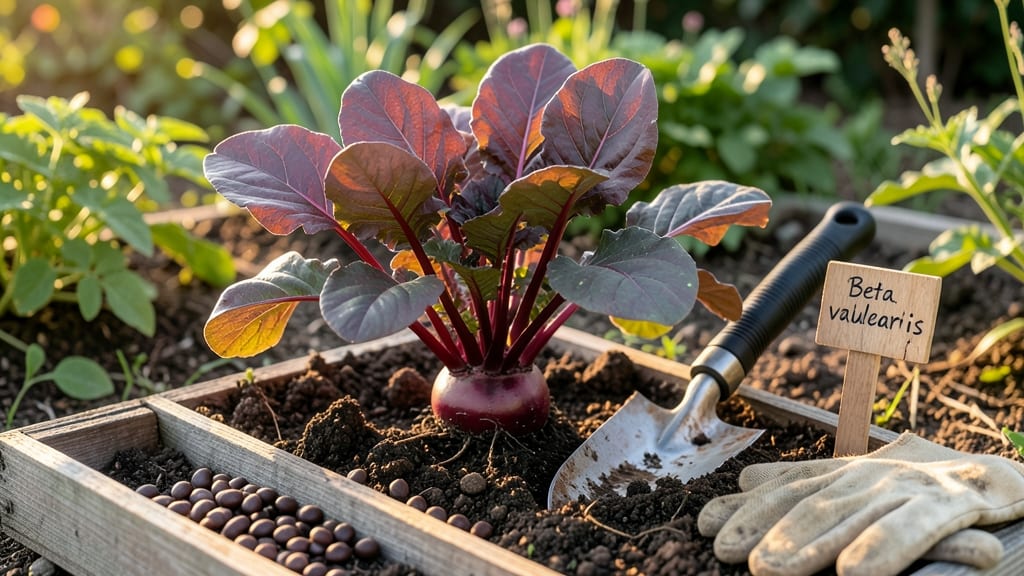
If you're wondering when to plant beets in Arkansas, timing is the secret to sweet, tender roots that grow fast and resist bolting. Arkansas gardeners know the difference between a thriving beet harvest and a bitter disappointment often comes down to soil temperature and seasonal shifts.
The best planting windows for 🍠 beets in Arkansas are early spring (February–March) and late summer (July–August), when soil temps hover between 40–85°F. Plant too early, and frost can stunt growth; too late, and the heat sends beets bolting before you get a harvest.
I’ll show you how to nail those soil temp triggers for fast germination and plump roots.
For Arkansas’ 7a–8b zones, the key is adjusting for microclimates—northern areas like Fayetteville may need to wait until mid-March, while southern regions like Little Rock can start in late February. I’ll break down the exact soil temperature thresholds and frost-free date adjustments you need to avoid common pitfalls.
Ready to grow beets that are sweet, crisp, and ready in 50 days? Let’s dive into the science-backed planting schedule that works for Arkansas’ unpredictable spring weather.
Arkansas beet planting calendar by soil temperature zones
Arkansas’ USDA Zones 7a-8b create unique challenges for beet growers. Unlike northern states, Arkansas’ mild winters and hot summers demand precise timing. Beets germinate best in 40–85°F soil, but they bolt (go to seed) when temperatures exceed 75°F for 3+ days.
Here’s how to align your planting with Arkansas’ microclimates—from the cooler Ozark Mountains to the warmer Delta region.
Northern Arkansas (Zones 7a-7b) offers a longer early-spring window than southern zones. Start seeds as early as late January under row covers or in a greenhouse, but wait until soil warms to 50°F for direct sowing (usually mid-February).
Southern Arkansas (Zones 8a-8b) should delay until late February to avoid late frosts, which can blacken tender seedlings.
For fall harvests, Arkansas gardeners have a second chance in late summer. Sow seeds July 1–August 15 when daytime highs dip below 85°F. In northern zones, extend this window until late August, while southern zones must finish by mid-July to avoid heat stress.
Use this soil temperature guide to time your plantings perfectly:
Pro tip: Use a soil thermometer to confirm readiness. Arkansas Extension Service recommends waiting until soil hits 55°F for 3+ days before sowing—this ensures 90%+ germination rates.
In my Zone 7b garden, I’ve found that planting Detroit Dark Red in early March yields harvests by late April, while late July sowings produce sweet, tender roots by October.
For continuous harvests, stagger plantings every 2–3 weeks in spring and 10–14 days in fall. This works especially well in Arkansas’ variable climate, where a single heatwave can turn a perfect crop into bolted greens.
I’ve had success with succession planting in raised beds, which warm up faster than in-ground soil.
Watch for Arkansas-specific pests like leaf miners and beet curly top virus, which thrive in hot, dry conditions. Mulch with straw or grass clippings to retain moisture and prevent soil crusting, a common issue in Arkansas’ clay-heavy soils.
If you’re in Zone 8b (southern AR), consider shade cloth for late summer plantings. A 30% shade cloth can drop soil temperatures by 10–15°F, delaying bolting and extending your harvest window by 2–3 weeks.
I’ve tested this with Chioggia beets, and the results are noticeably sweeter and slower to bolt.
Remember: Arkansas’ last frost dates vary wildly—from March 15 in the north to April 1 in the south. Check the Arkansas Climate Office for your county’s 30-year averages and adjust accordingly.
For example, Fayetteville (Zone 7b) can see frost as late as April 10, while Little Rock (Zone 8a) rarely drops below freezing after March 1.
Plan ahead for fall planting by marking your calendar for July 158–10 weeks to mature before first frost. In my experience, Golden beets handle Arkansas’ humid summers better than deep-red varieties, which often crack in the heat.
Arkansas beet planting calendar by soil temperature zones
Arkansas spans USDA Zones 6-8, creating microclimates where soil temperature dictates beet success. In the northern hills (Zone 6), aim for soil temps between 40–50°F—ideal for early February–March planting. Meanwhile, southern Arkansas (Zone 8) can start 2–3 weeks earlier when soil hits 45–50°F.
Beets germinate best at 50–85°F soil temps, but below 50°F slows growth, while above 85°F triggers bolting. Use a soil thermometer to confirm readiness—wait for consistency before sowing. For fall harvests, target July–early August sowings when summer heat subsides.
Here’s how Arkansas’ microclimates impact your planting schedule:
For northern Arkansas, prioritize cold-hardy varieties like Detroit Dark Red to withstand late frosts. In southern zones, opt for heat-tolerant types like Chioggia to extend harvests. Always plant 4–6 weeks before your average last frost date—check the University of Arkansas Extension for your county’s specifics.
Pro tip: Succession plant every 2 weeks in spring for continuous harvests. In fall, sow 60 days before your first frost to ensure mature roots. Use black plastic mulch to warm soil faster in cooler zones.
Monitor soil moisture closely—beets need consistent dampness to prevent woody roots. If your garden bed stays soggy, amend with compost to improve drainage. Bolting risk peaks in April–May, so prioritize shade cloth if temps climb above 75°F.