
Plants
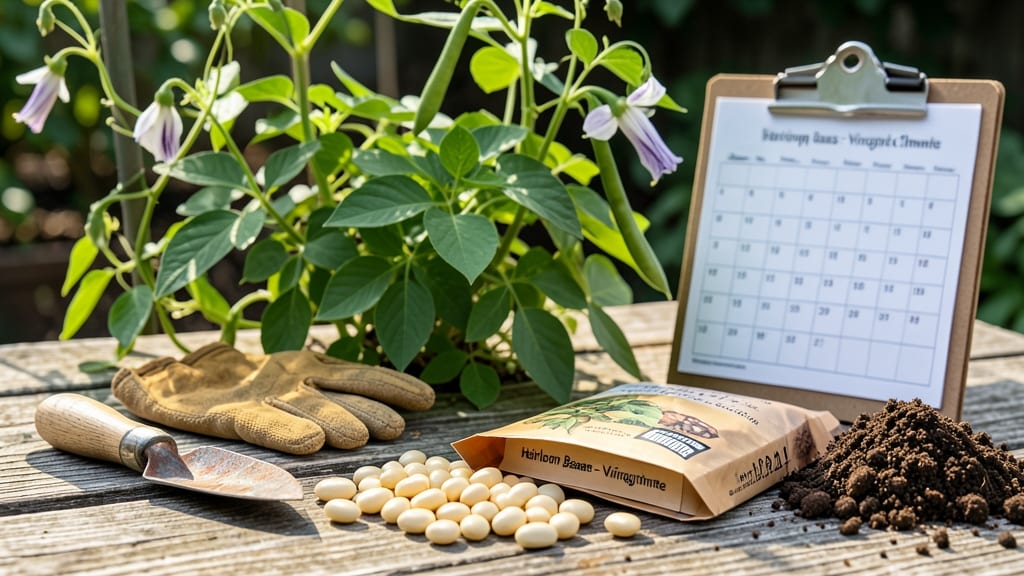
Timing your bean planting in Virginia isn’t just about the calendar—soil temperature holds the secret to fast germination and a bountiful harvest. If you’ve ever watched seeds sit stubbornly in cold soil or sprouts struggle in inconsistent warmth, you know how critical this step is.
Virginia’s 7a-8a zones create unique microclimates where coastal areas warm faster than the Piedmont, making a soil thermometer your best friend.
Most gardeners focus on frost dates, but beans care more about warmth than cold. The moment soil hits 60°F, your 🌱 beans will germinate in 7-14 days, giving you that head start toward a summer harvest.
Plant too early, and you’ll waste seeds on slow starts or rot. Get it right, and you’ll enjoy fresh pods from June through October.
Spring plantings begin as early as April 15 in warmer zones, while fall offers a second chance from August 1. Pole beans need even warmer soil (65°F), so don’t rush them—wait for late May or June.
I’ll show you exactly how to time each variety for Virginia’s unpredictable weather, so you can maximize your garden’s potential without guesswork.
Ready to transform your garden from hit-or-miss to consistently productive? Let’s dive into the key triggers that separate thriving bean patches from disappointing ones. Your next harvest starts with the right timing—and Virginia’s soil has stories to tell if you listen closely.
Virginia’s best planting windows for beans by soil temperature
Virginia’s diverse climate—from the coastal plains to the mountains—means planting beans requires precision. Unlike air temperature, soil warmth determines whether your seeds sprout quickly or rot. In USDA zones 6a-8a, beans thrive when soil hits 60°F or warmer, but timing varies by variety and region.
Bush beans, the most popular choice for Virginia home gardens, are cold-sensitive and need soil at 60-65°F to germinate. Pole beans, which produce longer harvests, require even warmer soil (65-70°F) to develop strong vines.
Southern peas (like black-eyed peas) are the most heat-tolerant, germinating best in 70-75°F soil—perfect for Virginia’s hot summers.
| Bean Type | Minimum Soil Temp (°F) | Best Planting Window (VA) | Days to Germination | Notes |
|---|---|---|---|---|
| Bush Beans | 60-65 | After last frost (April-May) or 2-3 weeks before first frost (Aug-Sept) | 7-14 | Cold-sensitive; avoid planting when soil temps dip below 50°F |
| Pole Beans | 65-70 | Late May-June or July-August | 10-14 | Needs warmer soil for strong vines; extend season with row covers |
| Southern Peas (Cowpeas) | 70-75 | June-July or August-Sept | 10-21 | Heat-tolerant; ideal for VA’s hot summers |
In Virginia’s coastal plain (zones 7b-8a), where springs arrive earlier, you can plant bush beans as early as mid-April if soil warms quickly. However, in the Piedmont (zone 7a) and mountains (zone 6a), wait until late April or early May to avoid frost damage.
For fall plantings, aim for August 1-15 to harvest before the first frost (mid-October in most areas).
Pole beans, which take longer to mature, should wait until soil is consistently 65°F or warmer. In Virginia, this typically means late May to June for spring plantings. For a second crop, plant in July to enjoy beans through September.
Southern peas, the heat lovers, can even handle July-August plantings in the hottest regions like Richmond or Norfolk, where summer soil temps often exceed 80°F.
To check if your soil is ready, insert a soil thermometer 2 inches deep in the ground. If it reads below the minimum for your bean type, wait 1-2 weeks or use black plastic mulch to warm the soil faster.
In Virginia’s clay-heavy soils, which hold heat well, this method can shave 1-2 weeks off your planting timeline.
For gardeners in higher elevations (like the Blue Ridge Mountains), where soil stays cooler longer, focus on fast-maturing varieties (50-55 days) to avoid fall frosts. Varieties like 'Blue Lake Bush' or 'Contender' are excellent choices for these areas, as they reach harvest size before temperatures drop.
Remember, Virginia’s last frost date varies by region—check your local USDA zone map for precise timing. While the Tidewater region may see last frosts by March 15, the Appalachian foothills often hold frost until April 30.
Planting too early in cooler zones risks seed rot or stunted growth, so always prioritize soil temperature over calendar dates.
If you’re unsure about your local microclimate, observe nearby gardens or ask at your local extension office. Many Virginia counties, like Fairfax or Loudoun, have community gardening groups that track soil temps and share planting success stories.
This local knowledge can help you fine-tune your planting schedule for maximum yields.
How to extend your bean harvest in Virginia’s short season
Virginia’s variable climate and short growing season can challenge even the most eager bean growers. But with the right strategies, you can stretch your harvest from June through October—or even longer!
The key lies in succession planting, protective tools, and choosing varieties that thrive in Virginia’s heat and humidity.
I’ve learned that bush beans and pole beans respond differently to timing. Bush beans mature quickly (50-60 days), making them perfect for early and late plantings, while pole beans need more time (60-70 days) and warmer soil to establish strong vines.
Southern peas, like cowpeas, are my secret weapon for summer heat—they handle Virginia’s 90°F+ days like a champ.
Here’s how I maximize my harvest in Virginia’s USDA zones 6a-8a:
3 Proven Ways to Stretch Your Bean Season in VA
Plant bush beans every 2-3 weeks from late April through July for continuous harvests. Pole beans can be planted in early June and again in late July.
Use lightweight row covers to protect seedlings from late frosts (plant 3-4 weeks before last frost) or extend fall harvests by 2-3 weeks.
Prioritize varieties with <55 days to maturity (e.g., 'Blue Lake Bush' = 52 days) to avoid fall frosts. Southern peas (70-80 days) thrive in VA’s heat.
For early spring plantings, I swear by 'Contender' bush beans—they tolerate cooler soil better than most varieties. In late summer, I switch to 'Purple Hull' southern peas, which handle Virginia’s humidity and heat without wilting.
Pro tip: Mulch heavily after planting to keep soil temperatures stable and moisture consistent.
Don’t forget to harvest regularly! Beans produce more pods when you pick them frequently. I aim to harvest every 2-3 days during peak season to encourage continuous production.
With these tricks, I’ve extended my harvest by up to 4 weeks on either end of the season—double the fresh beans for canning or freezing!
🌱