
Plants
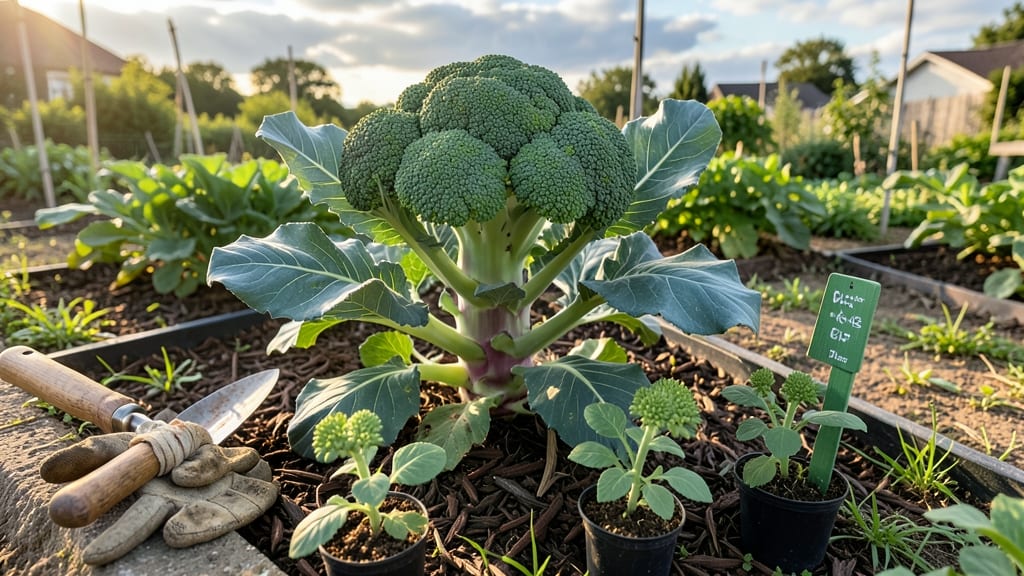
If you’ve ever stared at your calendar in March wondering, "When to plant broccoli in NJ?"—you’re not alone. Getting the timing right is the difference between a thriving garden full of crisp, green 🥦 heads and a sad, wilted disappointment.
New Jersey’s 6a-7b climate means frost can linger until mid-April, while summer heat arrives fast. Plant too early, and seedlings may freeze; too late, and your broccoli bolts before harvest.
But here’s the good news: with the right soil temperature triggers, you can nail the perfect window for fast, reliable germination.
I’ll break down the exact planting dates for spring and fall crops, plus how to adjust for your specific corner of NJ—whether you’re in coastal areas with milder winters or inland zones where frost bites harder. No guesswork, just proven strategies for a bumper crop.
Ready to skip the trial-and-error? Let’s dive into the soil temp secrets that’ll have your broccoli thriving in no time.
Optimal NJ broccoli planting dates based on soil temperature
New Jersey’s USDA zones 6a-7b create unique challenges for broccoli growers. The key to success lies in understanding soil temperature triggers—broccoli seeds need 40-50°F soil to germinate, while seedlings can’t tolerate below 30°F. Timing your plantings around these thresholds ensures strong starts and avoids frost damage.
For spring plantings, aim to sow seeds 4-6 weeks before your region’s last frost date. In Northern NJ (e.g., Bergen County), this typically means late March to early April, while Southern NJ (e.g., Cape May) can start 2-3 weeks earlier.
Use a soil thermometer to confirm temperatures—50°F is ideal for germination.
For fall harvests, plant seeds 90-120 days before the first frost (usually mid-October in NJ). This translates to late July to early August for most regions. Fall broccoli thrives in cooler weather and often produces sweeter, more tender heads than spring varieties.
Here’s how to calculate your exact planting window using NJ’s frost-free days (about 165 days in most areas): 1. Find your last frost date (check Almanac’s NJ frost calendar).
- Subtract 4-6 weeks for spring or 90-120 days for fall.
- Adjust 1-2 weeks earlier for Southern NJ or 1-2 weeks later for Northern NJ.
Pro tip: Use row covers or cold frames to extend your spring planting window by 2-3 weeks. This protects seedlings from late frosts and lets you harvest earlier. Just remove covers when temperatures rise above 55°F to prevent overheating.
🌱
| Planting Window | Soil Temp | Frost Risk | NJ Region |
|---|---|---|---|
| Late March - Early April | 40-50°F | High (late frosts) | Northern NJ |
| Early April - Mid-April | 45-55°F | Moderate | Central NJ |
| Mid-March - Early April | 40-50°F | Low (earlier frost-free) | Southern NJ |
| Late July - Early August | 55-65°F | None (summer heat) | All NJ Regions |
| Early August - Mid-August | 50-60°F | Low (fall frosts) | Northern NJ |
🌡️ Soil temp is more critical than air temp—always check with a thermometer!
If you’re aiming for multiple harvests, stagger your plantings by 2-3 weeks. For example, sow a batch in late March, another in early April, and a final batch in late July. This ensures a steady supply of broccoli from May through October.
For urban gardeners with limited space, consider container planting. Broccoli grows well in 5-gallon pots with well-draining soil. Just ensure pots get full sun and maintain consistent moisture. Containers warm up faster than garden beds, so you may need to delay planting by 1 week to avoid overheating.
Remember: Bolting (premature flowering) is your biggest enemy in NJ’s heat. Choose heat-tolerant varieties like 'De Cicco' for late summer plantings, and always provide consistent water to prevent stress. With the right timing, you’ll enjoy crisp, homegrown broccoli all season long!
☀️
How to time broccoli planting for NJ’s microclimates
New Jersey’s diverse microclimates—from coastal breezes in Cape May to inland heat in Trenton—mean one planting strategy doesn’t fit all. Urban gardeners in Jersey City face different challenges than farmers in Sussex County.
The key? Adjusting your timeline based on your specific zone’s heat retention and frost patterns.
Coastal areas like Atlantic City enjoy milder winters, allowing earlier spring plantings (as early as late February), while inland zones like Morris County may need to wait until mid-April to avoid late frosts. Even within cities, microclimates vary—south-facing urban gardens warm up faster than shaded alleyways.
For late summer plantings (aiming for fall harvests), coastal regions can push broccoli seeds into the soil as late as early August, while inland areas should stick to mid-July to avoid summer’s brutal heat. Heat-tolerant varieties like 'De Cicco' can stretch your window by 2-3 weeks in hotter zones.
NJ Microclimate Planting Pros & Cons
🌊 Coastal Areas (e.g., Cape May)
- ✅ Pros: Earlier planting (Feb-Mar), longer growing season
- ✅ Pros: Less frost risk in spring/fall
- ✅ Pros: Ideal for heat-sensitive varieties
❄️ Inland Areas (e.g., Sussex County)
- ❌ Cons: Later planting (Apr-May), shorter season
- ❌ Cons: Higher frost risk in spring
- ✅ Pros: Cooler summers extend fall harvests
🏙️ Urban Gardens (e.g., Newark)
- ✅ Pros: Containers allow microclimate control
- ❌ Cons: Heat islands can stress plants
- 💡 Tip: Use shade cloth for late summer plantings
If you’re gardening in a hot microclimate (like Newark or Camden), consider these tricks: plant broccoli in partial shade during peak summer (30% shade cloth works wonders), or opt for fast-maturing varieties like 'Calabrese' that can go from seed to harvest in just 50 days.
For urban gardeners with limited space, container growing lets you move plants to cooler spots during heatwaves. Just ensure containers have drainage holes and use lightweight potting mix—broccoli roots hate soggy soil. I’ve seen city gardeners in Jersey City double their yield by rotating containers between sun and shade!
Pro tip: Monitor your local NJ State Climate Office for weekly updates—they track soil temps and frost predictions that can shift your planting window by 1-2 weeks. With these microclimate tweaks, you’ll turn NJ’s quirks into advantages for a reliable broccoli harvest every season.