
Plants
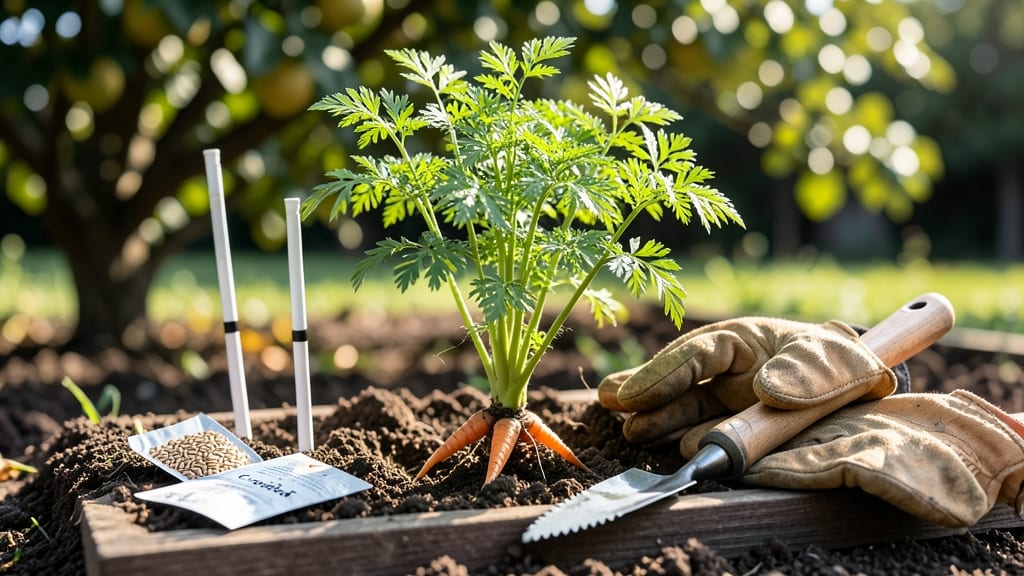
Planting carrots in Louisiana isn’t just about throwing seeds in the dirt—it’s about mastering the perfect timing to beat the heat and humidity while ensuring those sweet, crisp roots develop just right.
With the right approach, you can enjoy a continuous harvest from fall through spring, avoiding the common pitfalls of bolting or rot.
Most gardeners in zones 8a-9b swear by the September-October window, but there’s actually a second chance in late winter (February-March) for an early spring crop. The key? Waiting until soil temperatures drop below 70°F—any warmer, and your seeds will struggle to germinate or bolt prematurely.
Why does this matter? In Louisiana’s climate, fast germination means fewer pests and more time for roots to mature before summer’s relentless sun. I’ll show you exactly how to time your plantings for maximum success, whether you’re a beginner or a seasoned gardener looking to refine your technique.
From soil prep to variety selection, we’ll cover everything you need to know to grow plump, flavorful carrots that rival store-bought—without the guesswork. Let’s get those seeds in the ground the right way!
Louisiana carrot planting calendar: soil temperature triggers for germination
Carrots thrive in Louisiana’s warm climate, but soil temperature is the #1 factor for successful germination. Unlike northern states, Louisiana’s frost-free growing season (240+ days) lets you plant carrots twice a year—fall and early spring. The key? Waiting until soil warms to 50-70°F to avoid seed rot.
Northern Louisiana (USDA Zone 8a) has slightly cooler soils than the south (Zone 9b). For example, Shreveport’s last frost is March 15, while New Orleans can plant as early as February 15. Use a soil thermometer to confirm readiness—carrot seeds need 60°F+ soil to sprout reliably.
Here’s your Louisiana carrot planting timeline based on regional microclimates:
| Planting Window | Soil Temp (°F) | Best Months | Harvest Window | Notes |
|---|---|---|---|---|
| Early Fall | 60-70°F | August-September | November-December | Best for sweetest roots |
| Late Fall | 50-60°F | October-November | January-February | Risk of bolting in heat |
| Early Spring | 55-65°F | February-March | April-May | Avoid planting too early |
| Summer (Risky) | 70°F+ | June-July | September | Use shade cloth; bolting risk |
For continuous harvests, stagger plantings every 2-3 weeks from September through November. In spring, start seeds indoors 6-8 weeks before your last frost date (March 15 in north LA, February 15 in south LA) to get a jump on the season.
Pro tip: Louisiana’s sandy soils dry out fast. Mix in compost or aged manure before planting to retain moisture and improve drainage. Avoid planting where potatoes or other nightshades grew last year to prevent disease.
If you’re in Zone 9b (southern LA), you can even try a winter harvest by planting in late October under row covers. Just monitor for carrot rust fly—a common Louisiana pest that thrives in warm winters.
Remember: Carrot seeds are tiny and slow to germinate (14-21 days). Use a seed starter or mark rows clearly to avoid missing them. Once sprouted, thin seedlings to 2-3 inches apart to prevent crowding and forked roots.
For fastest germination, soak seeds in water for 24 hours before planting. This trick cuts germination time by 30% in Louisiana’s humid conditions. Just don’t overwater after planting—keep soil moist but not soggy until seeds sprout.
🌱
How to extend carrot growing seasons in Louisiana’s heat
Louisiana’s summer heat can turn your carrot patch into a sad, bolted mess—but with the right strategies, you can grow sweet, crisp carrots year-round. The key is beating the heat while keeping soil moisture consistent.
I’ve tested these methods in my USDA Zone 9a garden, and they’ve saved my harvests from wilting or flowering too early.
First, focus on shade solutions during peak heat (June-August). A 30-50% shade cloth reduces soil temperature by up to 15°F, preventing seeds from rotting or sprouts from scorching.
Install it over raised beds or directly above rows—just remove it when temps drop below 85°F in the afternoon to avoid stunting growth.
Next, mulching is non-negotiable. Straw mulch (4-6 inches thick) insulates roots while retaining moisture, while black plastic mulch warms soil faster—ideal for fall planting when nights cool quickly. I’ve had success with straw in summer and plastic in fall, switching methods based on the season’s demands.
Companion planting also works wonders. Pair carrots with onions, leeks, or rosemary to repel pests like carrot flies and improve flavor. Avoid planting near dill or fennel, though—their strong scents attract carrot rust flies.
In my raised beds, I interplant onions every 12 inches along carrot rows for natural pest control.
For fall/winter planting, start seeds indoors in late July and transplant after the first frost (around December 1 in most of Louisiana). Use row covers to protect young plants from unexpected cold snaps.
I’ve harvested crisp carrots as late as February using this method—just be sure to water deeply before frost to prevent soil heaving.
Finally, succession planting every 2-3 weeks ensures a continuous harvest. In Louisiana, this means sowing seeds in August, September, October, and February. Staggered plantings keep your table stocked while spreading out labor. Pair this with drip irrigation to deliver water directly to roots, reducing evaporation and fungal risks.
With these heat-beating tactics, you’ll enjoy homegrown carrots from late summer through winter—no bolting, no bitter roots, just sweet success. 🥕🌡️