
Plants
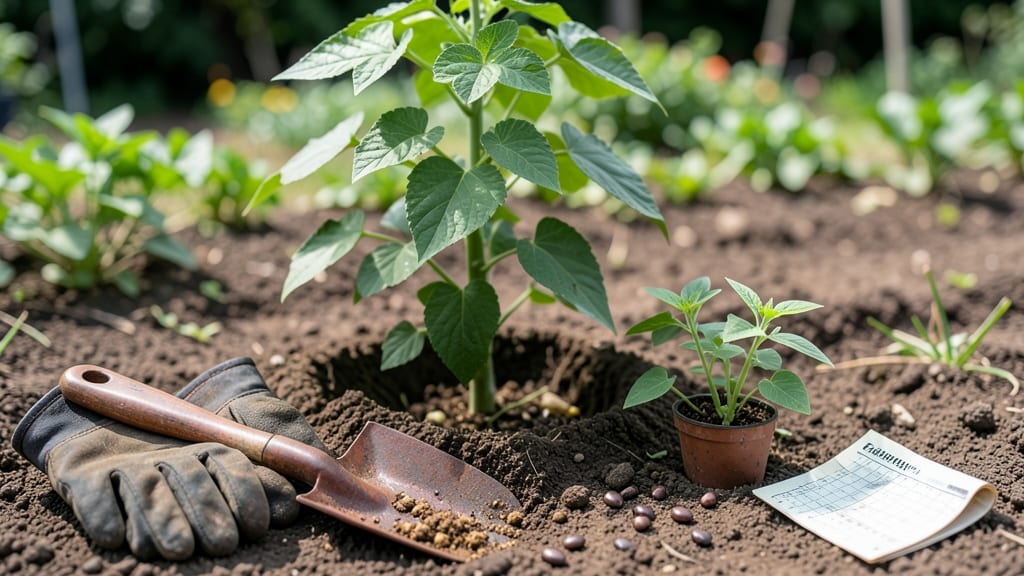
Knowing when to plant beans in Iowa can mean the difference between a bountiful harvest and wasted effort—especially when frost dates shift yearly and soil warmth varies by county.
I’ve seen firsthand how a single week’s delay can turn a thriving bean patch into a sad, frozen memory, but planting too early? That’s just asking for trouble with cold soil.
Here’s the truth: Iowa’s USDA zones 5a-6b give you a narrow window—April 15 to June 15—but the real magic happens when your soil hits 60°F and the last frost has passed.
Skipping these details means risking stunted growth or pests taking over before you even get a chance to harvest those crisp, homegrown pods.
I’ll break down the exact dates by county, share my top tips for adjusting to Iowa’s unpredictable weather, and even recommend the fastest-maturing bean varieties that won’t leave you waiting until September. No more guesswork—just a foolproof plan to turn your garden into a bean bonanza.
Let’s get those seeds in the ground at the perfect time—because in Iowa, timing isn’t just important. It’s everything.
Iowa bean planting dates by county: frost-free zones & soil warmth guidelines
Iowa’s diverse microclimates mean your last frost date could be weeks earlier or later than your neighbor’s. For beans, which thrive in 60°F+ soil, timing is critical—plant too soon, and frost will kill seedlings; too late, and you’ll miss peak harvest.
Most of Iowa falls in USDA zones 5a-6b, but even within those zones, frost-free dates can shift by 2-3 weeks from north to south.
According to Iowa State University climate data, northern Iowa (e.g., Sioux County) typically sees its last frost around May 10-15, while southern Iowa (e.g., Appanoose County) warms up by April 20-25.
Soil temperature lags behind air temperature, so even if the air feels spring-like, your soil may still be too cold for beans. Always wait until the ground reaches at least 60°F—use a soil thermometer to check!
For pole beans, which take longer to mature (80+ days), stick to the earliest planting windows in southern Iowa. Bush beans, which mature in 50-60 days, offer more flexibility—you can even plant a second crop in late June for a fall harvest before frost.
Just ensure you have 100+ days left in the growing season!
Pro tip: Check the Iowa Environmental Mesonet (mesonet.agron.iastate.edu) for real-time soil temperature updates. If your county isn’t listed, use the nearest major city’s frost dates as a guide—Des Moines, Cedar Rapids, and Davenport are reliable benchmarks.
If you’re planting in containers, warm the soil faster by placing pots on black plastic mulch or using heat mats. This can shave off 1-2 weeks of waiting time, giving you an earlier start in cooler regions.
Just monitor soil moisture closely—containers dry out 3x faster than in-ground beds!
Remember: Beans are sensitive to cold soil, so never rush planting. A few extra weeks of waiting ensures strong germination and a higher yield.
Mark your calendar for May 1 as a safe bet in most of Iowa—this gives you a buffer for late frosts while still allowing time for a full harvest before summer’s end.
For drought-prone years, opt for drought-tolerant varieties like ‘Rattlesnake’ or ‘Kentucky Wonder’, which perform well in Iowa’s variable rainfall. Pair them with mulch to retain moisture and reduce watering frequency by up to 50%.
🌱
How to adjust bean planting for Iowa’s unpredictable weather patterns
Iowa’s weather can throw a curveball—one day it’s 65°F and sunny, the next, a hard frost sneaks in overnight. That’s why I’ve learned to play it smart: adjusting planting times based on soil warmth and weather forecasts is key to avoiding bean failures.
Even if the calendar says "spring," your soil might still be too cold for germination.
For example, in northern Iowa, where last frosts can linger until May 15, I’ve started using black plastic mulch to warm the soil faster. This simple trick can shave off 2-3 weeks from your planting timeline.
Meanwhile, in southern Iowa, where heat arrives early, I focus on shade cloth to protect young seedlings from scorching winds.
Another trick? Planting successive crops every 2 weeks ensures a steady harvest. If your first planting gets nipped by frost, the second batch might still thrive. It’s all about staggering your sowing dates to hedge your bets against Iowa’s whims.
I also keep an eye on the 7-day forecast from the National Weather Service. If a cold snap is predicted after planting, I’ll cover my rows with floating row covers or even old bedsheets to shield tender seedlings. It’s a small effort that saves hours of replanting later.
For late-spring plantings (after June 1), I switch to fast-maturing varieties like ‘Contender’ (50 days) or ‘Provider’ (55 days). These give you a harvest before Iowa’s first frost in October, even if the season feels short. It’s all about matching the variety to your timeline.
Remember, Iowa’s climate is unpredictable but manageable. With these adjustments, you’ll turn weather challenges into opportunities for a longer, more reliable harvest. The key? Stay flexible and adapt as conditions change—just like the pros at the Iowa State University Extension do.