
Plants
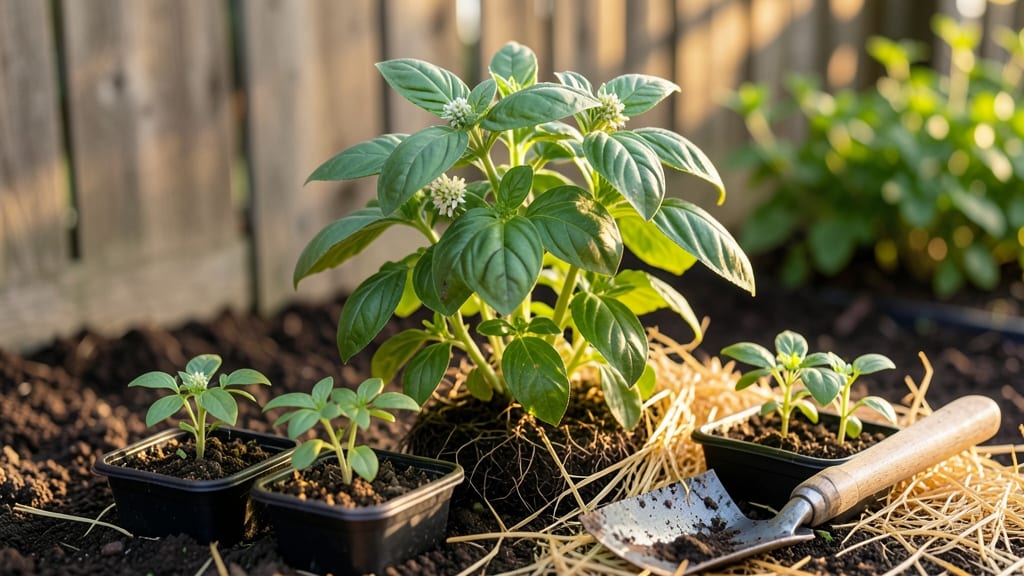
Timing your basil planting in Seattle could mean the difference between a thriving herb garden and a sad, frost-bitten disappointment. With our city's famously unpredictable weather—one day sunny, the next drizzling like a British holiday—getting those seeds in the ground at just the right moment is everything.
Here's the secret: late April to mid-May is your sweet spot, when soil temperatures finally climb to that magic 50°F threshold and the last frost date (usually around April 15) becomes a distant memory.
But what if you want to push those limits? That's where the real gardening magic happens—whether you're starting seeds indoors in March or using containers to extend your growing window.
I've learned the hard way that Seattle's microclimates mean your neighbor's perfect basil patch might not work for you. The West Side's cooler maritime air behaves differently than the East Side's occasional heat waves.
Let me show you exactly how to read your local conditions and adjust your planting strategy to get that 🌿 basil growing strong from June through September.
From choosing between seedlings and seeds to protecting your plants from our notorious wind chill, this guide covers all the essentials.
Whether you're a balcony gardener or have a full backyard plot, you'll discover how to maximize your harvest—because nothing beats the flavor of homegrown basil straight from your Seattle garden.
Optimal planting windows for basil in Seattle’s climate zones
Seattle’s USDA Zone 8a/8b climate means basil thrives with precise timing—too early and frost zaps tender seedlings, too late and summer heat bolting occurs. The West Side (milder, wetter) and East Side (drier, warmer) have slightly different windows, but both follow soil temperature and frost-free guidelines.
For seed-starting indoors, begin 6-8 weeks before your target transplant date. On Seattle’s West Side, aim for mid-March starts to transplant by late April. The East Side, with its warmer microclimates, can start seeds 2 weeks earlier (early March) for early April transplants.
Direct sowing outdoors is riskier but possible with cold protection. Use row covers or a mini greenhouse to start seeds outdoors in late March (West Side) or early March (East Side), but be ready to shield them from chilly nights.
Here’s the critical timeline you need to nail:
| Stage | West Side Timeline | East Side Timeline | Key Consideration |
|---|---|---|---|
| Indoor Seed Start | Mid-March | Early March | Use grow lights; keep soil at 70°F |
| Hardening Off | Late March | Early-to-mid March | Acclimate for 1 week before transplant |
| Transplant Outdoors | Late April | Early April | Soil temp ≥50°F; after last frost |
| Direct Sow Outdoors | Late March (with protection) | Early March (with protection) | Use row covers; monitor for frost |
| Peak Harvest | July-August | July-August | Harvest before flowering for best flavor |
Seattle’s last frost date typically falls around April 15, but microclimates near Lake Washington or Mount Rainier can delay frost by 2 weeks. Always check the National Weather Service or local Cooperative Extension updates for real-time adjustments.
For container gardening, transplant 2-3 weeks later than in-ground plants—containers warm up faster but also cool down quicker. Place pots in south-facing spots and use black plastic mulch to raise soil temperatures 5-10°F.
Pro tip: Genovese basil and Sweet basil varieties handle Seattle’s cool nights better than Thai basil, which prefers warmer climates. Stick to cold-hardy types for extended harvests.
🌱
Cool-season basil success: how to extend harvests with protection
Seattle’s cool spring mornings and unpredictable frosts can challenge basil lovers, but with the right strategies, you can enjoy fresh basil harvests from March through September. The key? Cold protection and early starts that shield tender seedlings from our famous wind chill and 40°F nights.
For March-April plantings, I recommend starting seeds indoors under grow lights or using a seedling heat mat to jumpstart growth.
These early starts give your basil a 4-6 week head start before transplanting outdoors after the last frost. Genovese and Sweet Basil varieties handle cooler temps better than Thai basil, which bolts more easily in chilly conditions.
🌱
⚠️ Warning: Late Spring Frosts
Seattle’s May frosts (yes, they happen!) can devastate unprotected basil. Always check the National Weather Service for frost advisories and have row covers or cloche tunnels ready. A 50°F soil temp is your minimum—below that, roots struggle to absorb water.
To extend your fall harvest, sow seeds in late August using black plastic mulch to warm the soil. This gives your basil a 6-8 week growing window before our first frost (usually mid-October).
For urban balconies, large containers with heat-retaining fabric wrapped around the pots can add 5-10°F protection during chilly nights.
Companion planting with bush beans or marigolds creates a natural windbreak while improving soil health. The beans fix nitrogen, and marigolds deter pests like spider mites, which thrive in our dry summer air.
I’ve found that planting basil near tomatoes (its classic pair) also works—but only if you provide extra staking support for both plants.
For indoor growers, a south-facing windowsill with supplemental LED grow lights (12-14 hours/day) lets you harvest basil year-round. Just watch for leggy growthfresh basil from late spring through early fall, even in Seattle’s tricky climate.
🌿 Remember: The earlier you start, the longer your harvest window. Don’t wait for perfect weather—plan ahead with protection tools and microclimate awareness to turn Seattle’s challenges into basil-growing opportunities.