
Plants
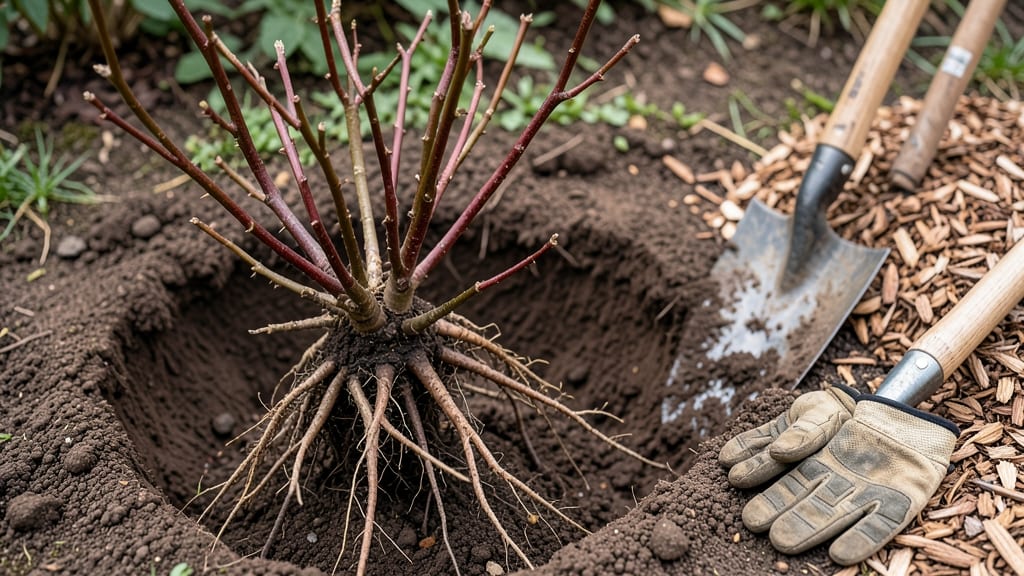
Timing your bare root roses planting in Zone 8 can make all the difference between a garden full of vibrant blooms and a sad investment in wasted effort.
The secret lies in tapping into the dormant season when your 🌹 roses are naturally primed for root growth without the stress of summer heat or winter frost.
Most gardeners in Zone 8 assume spring is the only option, but late fall planting actually gives your roses a head start. When you plant between November and February, you're working with cooler soil temperatures that encourage strong root development before the growing season kicks in.
I've helped countless gardeners in Zone 8 transform their rose beds by mastering this timing, and I'll show you exactly how to prepare your soil, choose the perfect window, and give your roses the best possible start.
Whether you're a seasoned gardener or just starting with bare root roses, these insights will help you avoid common mistakes and set your plants up for success.
Ready to discover the exact weeks that work best in your climate? Let's dive into the science behind dormant season planting and how you can apply it to your garden this year.
Best planting windows for bare root roses in Zone 8
In Zone 8, timing is everything when planting bare root roses. Unlike container-grown roses, bare root varieties need specific conditions to establish roots before active growth. The ideal windows are late fall (November) and late winter (February), when soil temps hover between 40°F and 50°F.
Zone 8's mild winters mean you can plant 6-8 weeks before last frost (typically mid-December). This gives roots time to knit before spring growth begins. Fall planting also avoids summer heat stress, while late winter planting aligns with natural dormancy cycles.
Here's why these windows work best: cooler temps reduce transplant shock, moist soil encourages root growth, and minimal pests mean less competition for your new roses.
🌹 Planting Window Comparison for Zone 8
| Season | Optimal Month | Soil Temp | Days to Root Establishment | Zone 8 Specific Notes |
|---|---|---|---|---|
| Fall | November | 40-50°F | 4-6 weeks | Best for southern Zone 8; avoid planting after first frost |
| Late Winter | February | 45-55°F | 6-8 weeks | Ideal for northern Zone 8; plant before buds swell |
| Early Spring | March (risky) | 55-65°F | 8-10 weeks | Only for container-grown roses; bare root may struggle with heat |
For southern Zone 8 (e.g., Los Angeles), November planting is ideal—soil stays workable and frost risk is minimal. In northern Zone 8 (e.g., Dallas), February planting gives roots time to establish before summer heat arrives.
Watch for bud swell—this signals it's too late. Planting when buds are still dormant ensures energy goes to root growth, not foliage. In Zone 8, this typically occurs in late February to early March.
Avoid planting in summer or early fall (September-October). High temps and dry soil create stress, while late fall planting risks frost damage before roots establish. Even Zone 8's mild winters can bring unexpected cold snaps.
Pro tip: Soak bare root roses for 1-2 hours before planting. This hydrates roots and helps them recover from dormancy faster. Use a rooting hormone for an extra boost—especially in sandy soils common to Zone 8.
After planting, focus on watering deeply but infrequently. Zone 8's dry summers mean consistent moisture is key, but overwatering can suffocate roots. Aim for 1-1.5 gallons per plant weekly during establishment.
Remember: Zone 8's microclimates vary. Coastal areas stay milder longer, while inland regions may experience earlier frosts. Always check your local last frost date (typically mid-December in Zone 8) and adjust planting by 6-8 weeks before.
With the right timing, your bare root roses will establish strong roots and reward you with vibrant blooms by summer. The key is patience—rushing the process leads to weak plants that struggle in Zone 8's intense heat.
Best planting windows for bare root roses in Zone 8
Zone 8's mild winters and warm springs create a unique opportunity for planting bare root roses during two distinct windows: late fall and early spring. Unlike cooler climates, you can actually plant as late as February without risking frost damage, but timing matters more than most gardeners realize.
The key is planting when soil temperatures stay consistently below 60°F—this dormant period lets your roses focus on root growth rather than leaf production.
Most gardeners in Zone 8 default to spring planting, but I've found that late fall (November through early December) often yields stronger first-year blooms because the roots establish themselves before summer heat arrives. The trade-off?
You'll need to protect young plants from occasional winter rains with mulch or frost cloth. Let me show you exactly how these two windows compare so you can choose what works best for your garden.
Here's the critical comparison between your two best options for planting bare root roses in Zone 8:
For gardeners in coastal Zone 8 areas (like Southern California), you can even push planting into early January because the ocean moderates temperatures. But inland gardeners should aim for November 15-December 15 to avoid any potential cold snaps that might stress young roots.
I recommend checking your local Cooperative Extension Service for precise frost dates—every microclimate varies slightly.
One common mistake I see is planting too early in fall when soil is still warm. If you plant in October, your roses might break dormancy and produce leaves instead of roots.
The ideal window is when daytime highs stay below 70°F and nighttime lows dip into the 40s. This balance gives your roses just enough energy to wake up while keeping stress low.
Pro tip: If you're planting in February, choose a cloudy day or plant in the late afternoon to reduce transplant shock from afternoon sun. And always soak bare roots for 1-2 hours before planting—this simple step can double your success rate in Zone 8's dry climate. 🌹