
Plants
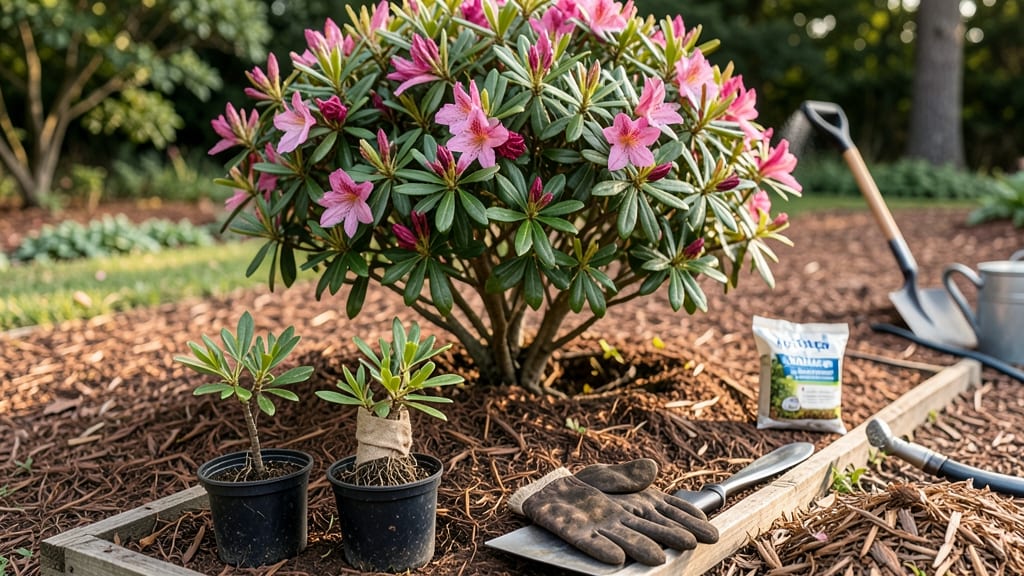
Planting azaleas in Zone 9 at the wrong time can mean struggling shrubs that never reach their full, show-stopping potential. These stunning 🌸 bloomers thrive when planted during cooler months, but many gardeners accidentally plant them too late—leading to heat stress and poor root establishment.
If you're eager to add vibrant color to your landscape but unsure about the best timing, you're not alone. The key to success lies in understanding how Zone 9's mild winters and hot summers affect these finicky plants.
By following the right schedule, you'll set your azaleas up for years of lush growth and spectacular spring blooms.
In this guide, I'll walk you through the perfect planting windows for Zone 9, including why late summer or spring plantings often fail.
You'll also discover how to prepare your soil, choose the right varieties, and protect your new shrubs from heat stress—so you can enjoy a garden bursting with color every year.
Whether you're planting in-ground or containers, these tips will help you avoid common mistakes and give your azaleas the best possible start. Let's get those roots in the ground at the right time for a thriving display!
Optimal planting windows for azaleas in Zone 9: month-by-month guide
In Zone 9, azaleas thrive when planted during cooler months, avoiding the brutal summer heat that causes transplant shock. The ideal windows are late fall (October-November) and early spring (February-March), when temperatures stay mild and roots establish without stress.
Zone 9's 300+ frost-free days mean traditional spring planting (March-April) works, but fall offers a longer establishment period before summer heat arrives. Never plant in summer—the intense sun and heat will fry tender roots within days.
For Zone 9a (cooler microclimates like higher elevations), extend planting into early December. In Zone 9b (warmer areas like coastal regions), wrap up by mid-November to avoid early heat spikes.
| Month | Ideal Planting? | Temperature Range | Sunlight Conditions | Root Establishment Risk |
|---|---|---|---|---|
| October | ✅ Best | 65°F-75°F | Partial shade | Low (cool nights) |
| November | ✅ Best | 55°F-68°F | Morning sun | Low (ideal dormancy) |
| December | ⚠️ Possible (Zone 9a) | 50°F-60°F | Full shade | Medium (winter stress) |
| January | ❌ Avoid | 45°F-55°F | Full shade | High (dormancy period) |
| February | ✅ Good | 55°F-65°F | Partial shade | Low (spring growth) |
| March | ✅ Best | 60°F-70°F | Morning sun | Low (active growth) |
| April | ⚠️ Risky (late) | 65°F-75°F | Afternoon shade | Medium (heat stress) |
| May-August | ❌ Never | 80°F+ | Full sun | Extreme (root burn) |
If you must plant in late spring (April-May), choose heat-tolerant varieties like 'Southern Indica' and provide afternoon shade with burlap screens or lattice. Water deeply every 3 days for the first month to prevent root desiccation.
For container-grown azaleas, adjust timing by 2-3 weeks earlier—potted roots dry out faster in Zone 9's heat. Always soak containers before planting to reduce shock.
Microclimates matter! Coastal areas with on-shore breezes can extend planting into early December, while inland zones should finish by November 15th. Use a soil thermometer—ideal root zone temps are 60°F-70°F.
Pro tip: Plant on a cloudy day to reduce stress. Mulch heavily with 3-4 inches of pine bark to retain moisture and regulate soil temps during Zone 9's hot/dry spells.
Remember, fall-planted azaleas often bloom earlier the following spring because they've established roots during the cooler months. Spring-planted shrubs may take an extra year to reach full bloom potential.
Optimal planting windows for azaleas in Zone 9: month-by-month guide
In Zone 9, azaleas thrive when planted during cooler months when soil temperatures stay below 75°F. The two best windows are late fall (October-November) and winter (December-February), but timing matters—plant too early, and roots may struggle in wet soil; too late, and summer heat stress sets in.
Fall planting (October-November) gives roots time to establish before summer heat arrives. Winter planting (December-February) works too, especially in Zone 9b, where milder winters reduce frost risk. Avoid spring planting—Zone 9's intense heat causes transplant shock and poor root growth.
| Month | Ideal Planting? | Soil Temp | Key Consideration |
|---|---|---|---|
| October | ✅ Best | 60-70°F | Roots establish before summer heat |
| November | ✅ Best | 55-65°F | Avoid wet soil; plant on dry days |
| December | ✅ Good | 50-60°F | Milder Zone 9b winters allow planting |
| January | ✅ Good | 45-55°F | Protect from occasional frost |
| February | ✅ Good | 50-60°F | Last chance before summer heat |
| March | ❌ Risky | 65-75°F | Heat stress increases transplant shock |
Zone 9's microclimates play a huge role. Coastal areas with cooler temperatures can plant slightly later (up to March), while inland zones should stick to fall or winter planting. Always check your local last frost date—though Zone 9 rarely sees frost, sudden cold snaps can stress young plants.
For container-grown azaleas, timing is even more critical. Plant in late winter (February) to give roots time to adjust before summer. Use acidic potting mix and keep containers in partial shade during the hottest months to prevent root burn.
If you miss the ideal windows, don’t despair—just prioritize shade and moisture for the first 30 days post-planting. Mulch heavily to retain soil moisture and protect roots from heat. With the right care, even late plantings can thrive in Zone 9’s climate.