
Plants
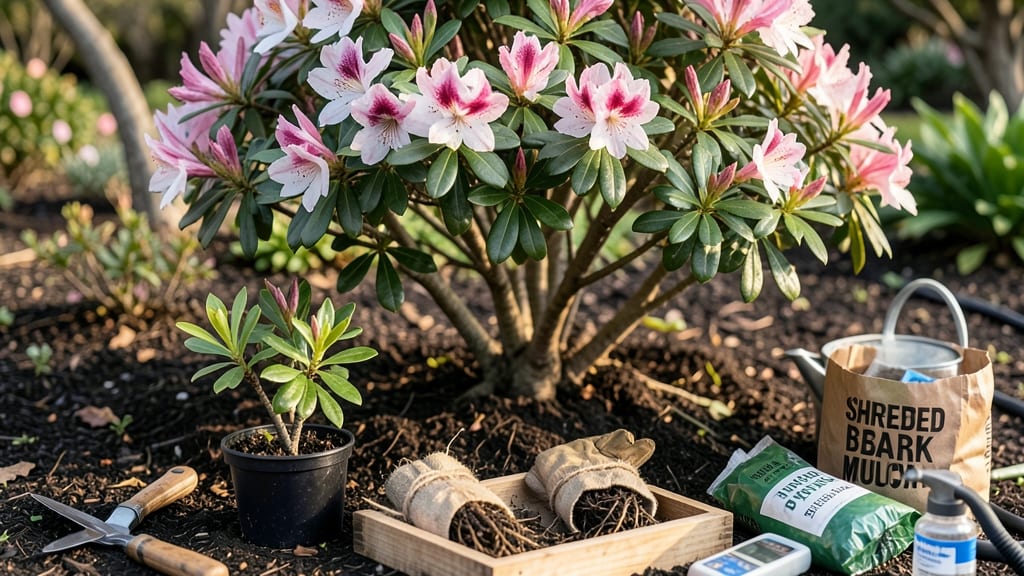
Planting azaleas in Maryland at the wrong time can turn your dream shrubs into sad, struggling survivors—especially with our unpredictable spring rains and late frosts.
The secret to vibrant, thriving 🌸 azaleas lies in timing them perfectly for USDA zones 7a-7b, where fall and early spring offer the ideal balance of soil warmth and moisture.
Most gardeners in Maryland swear by fall planting (October-November) when soil stays warm enough for roots to establish before winter chill sets in.
But if you miss that window, early spring (March-April) is your next best shot—just be ready to shield young plants from late frost surprises that can linger past April 15.
Container-grown azaleas give you more flexibility than bare-root plants, but even they need the right conditions: acidic soil, partial shade, and consistent moisture. I’ll show you exactly how to time your planting for maximum success—whether you’re a beginner or a seasoned Maryland gardener looking to level up your landscape.
Let’s dive into the best months, pro tips for extending your planting season, and how to spot when you’ve planted too early or too late. Your azaleas will thank you with blooms that steal the show every spring.
Best planting months for azaleas in Maryland’s climate zones
Maryland’s USDA zones 7a-7b offer a narrow window for planting azaleas, but timing directly impacts root establishment and winter survival. The ideal months are October through November for fall planting and March through April for spring—both aligned with Maryland’s 165 frost-free days and humidity levels that encourage root growth.
Fall planting (October–November) gives roots 6-8 weeks to establish before winter dormancy, while spring planting (March–April) avoids late frosts after Maryland’s average last frost date of April 15. Both strategies leverage Maryland’s acidic, well-draining soils and moderate rainfall to reduce transplant shock.
🌸
| Season | Optimal Months | Soil Temp (°F) | Key Considerations |
|---|---|---|---|
| Fall | October–November | 50–65°F | Roots establish before winter; avoid planting after November 15 (first frost risk). |
| Spring | March–April | 55–70°F | Plant after last frost (April 15); mulch heavily to retain moisture. |
| Late Spring | May (Risky) | 60–75°F | Only for container-grown azaleas; high humidity increases fungal risks. |
| Early Fall | September (Marginal) | 60–70°F | Use row covers if nights dip below 50°F; roots may not harden before winter. |
For Maryland’s western counties (USDA 7a), aim for October 1–November 15 to avoid early frosts, while eastern counties (USDA 7b) can extend planting to November 30 due to slightly milder winters. Container-grown azaleas offer flexibility—they can be planted up to 2 weeks later than bare-root varieties.
🌿
Soil temperature is critical: Azalea roots thrive when soil is between 50–70°F. Use a soil thermometer to confirm—Maryland’s humid climate can delay soil warming in spring or cool it faster in fall.
Amend native soil with peat moss or pine bark to maintain acidic pH (4.5–6.0), which Maryland’s clay-heavy soils often lack.
💧
Pro tip: Mulch immediately after planting with 3–4 inches of pine straw to retain moisture and regulate soil temperature. In Maryland’s high-humidity summers, mulch also prevents fungal diseases like root rot, a common issue for azaleas planted in late spring or early fall.
🌱
If you miss the ideal window, container planting extends your options. Potted azaleas can be planted through May (with daily watering and shade cloth to protect from Maryland’s intense afternoon sun), but expect slower establishment and reduced blooms the first year.
✂️
Best planting months for azaleas in Maryland’s climate zones
Maryland’s USDA zones 7a-7b give you two prime windows to plant azaleas: early fall (October-November) and early spring (March-April). These months balance soil warmth, moisture levels, and frost risk—critical factors for root establishment.
Fall planting is my top recommendation because cooler air and warm soil create ideal conditions for roots to grow without the stress of summer heat.
In Maryland’s humid climate, late September through November offers the perfect transition: soil stays warm enough for root development, but nights cool down, reducing transplant shock. For bare-root azaleas, this window is especially critical—they need time to establish before winter dormancy.
Container-grown azaleas are more flexible but still benefit from this timing.
If you miss fall, March-April is your next best shot, but be prepared for Maryland’s unpredictable late frosts that can linger until April 15. Planting too early in spring risks exposing young roots to frost damage.
Always check your local frost date forecasts and wait until after the last expected frost before planting.
Here’s how Maryland’s microclimates affect timing: Coastal areas (like Annapolis) can plant slightly later due to milder winters, while inland zones (like Frederick) may need to plant earlier to avoid early frosts.
Elevation also plays a role—higher areas (like Catoctin Mountain Park) have shorter growing seasons and may need to adjust timing accordingly.
| Planting Window | Soil Temperature | Frost Risk | Best For |
|---|---|---|---|
| October - November (Fall) | 50-65°F | Low (after first frost) | Bare-root & container azaleas |
| March - April (Spring) | 50-60°F | Moderate (late frosts possible) | Container azaleas (more resilient) |
| September (Early Fall) | 60-70°F | Low (coastal areas) | Bare-root only (risk of summer heat) |
Pro tip: If you’re planting in late spring (May), choose container-grown azaleas over bare-root—they handle heat better and establish faster. For fall plantings, aim for 6-8 weeks before first frost (typically mid-November in most of Maryland) to give roots time to settle.
Always amend your soil with peat moss or pine bark to maintain the acidic pH (4.5-6.0) azaleas crave.
Remember, Maryland’s humidity means well-draining soil is non-negotiable—poor drainage leads to root rot, especially in our clay-heavy soils. Mix in compost and perlite to improve aeration. With the right timing and soil prep, your azaleas will reward you with show-stopping blooms next spring. 🌸