
Plants
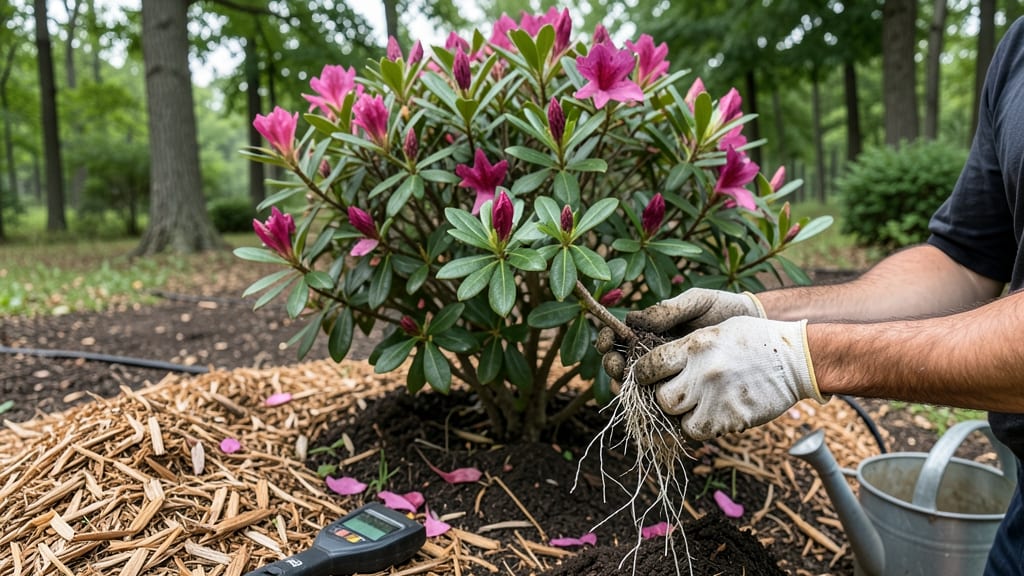
Planting azaleas in Texas isn't just about picking a date—it's about avoiding the brutal summer heat that can turn your 🌸 azaleas into a crispy mess. Whether you're in North Texas (Zone 8a) or South Texas (Zone 10b), timing matters more than you'd think.
The best window for planting these acid-loving shrubs is fall (October-December) or early spring (February-March), when temperatures are mild and roots can establish without stress. Skip spring planting after March 15, and you risk heat shock before your azaleas even bloom.
I’ve learned the hard way—planting too early means wilting, and too late means stunted growth. Let me show you exactly how to nail the timing, prep your soil, and keep your azaleas thriving in Texas’s tricky climate.
From soil pH tweaks to watering hacks, here’s how to give your azaleas the perfect start—no guesswork, just blooming success.
Best planting windows for azaleas in Texas regions (north vs. central vs. south)
Texas spans three distinct climate zones for azaleas, each with its own ideal planting window. North Texas gardeners face harder freezes (Zone 8a), while South Texas enjoys milder winters (Zone 10b). Central Texas sits in between (Zone 8b-9a), creating a gradual shift in timing from north to south.
Azaleas thrive when planted during cool-season windows—either fall (October-December) or early spring (February-March). Fall planting gives roots time to establish before summer heat, while spring planting avoids winter dormancy stress. Never plant in summer—the heat will shock tender roots and cause wilting.
Here’s how to match your Texas region to the perfect planting month, including soil temperature thresholds that signal readiness:
For North Texas gardeners, focus on October–November to avoid winter freezes. Central Texas has a wider window (October–December) thanks to milder winters, while South Texas can plant as late as January—but never delay past February without risking heat stress.
Spring planting (February–March) works across all regions, but act fast: Azaleas need 6–8 weeks to establish roots before summer heat arrives. If you miss the window, wait until fall—summer planting is a no-go.
Pro tip: Check your local Nursery Stock Availability. Many Texas nurseries restock azaleas in September–October for fall planting, so plan ahead. Container-grown azaleas (available year-round) give you flexibility, but they cost more and require extra acclimation before planting.
Remember, soil temperature is your best guide. Use a soil thermometer ($10 at garden centers) to confirm conditions. Plant when temps hover above 50°F (10°C) but below 80°F (27°C)—this sweet spot ensures root growth without heat shock.
Once you’ve nailed the timing, the next critical step is soil prep. Texas soil is often alkaline and nutrient-poor, which azaleas hate. Their ideal pH is 4.5–6.0—acidic, like a pine forest floor.
We’ll cover that in the next section, including how to amend your soil and acclimate azaleas to Texas heat without transplant shock.
Best planting windows for azaleas in Texas regions (north vs. central vs. south)
Texas stretches across three distinct climate zones for azaleas, each with its own ideal planting window. In North Texas (Zone 8a), where frosts linger until mid-February, aim for October 15–November 30 to avoid winter stress.
Central Texas (Zone 8b-9a) gardeners have a slightly longer window—September 15–December 15—while South Texas (Zone 9b-10b) can plant August 15–November 15 thanks to milder winters.
The key is soil temperature, not just air temperature. Azalea roots thrive when soil stays below 75°F (24°C). In North Texas, this means waiting until after Labor Day; in South Texas, you can start earlier.
Planting in fall gives roots 6–8 weeks to establish before summer’s brutal heat arrives.
🌸 Azalea Planting Windows by Texas Region
| Region | USDA Zone | Best Planting Window | Soil Temp Threshold | Avoid After |
|---|---|---|---|---|
| North Texas | 8a | Oct 15–Nov 30 | Below 75°F | March 15 |
| Central Texas | 8b-9a | Sep 15–Dec 15 | Below 80°F | April 1 |
| South Texas | 9b-10b | Aug 15–Nov 15 | Below 85°F | May 1 |
💡 Pro Tip: Container-grown azaleas can handle slightly later plantings than bare-root varieties.
Spring planting is riskier in Texas. After March 15, daytime temps often exceed 85°F (29°C), causing transplant shock. If you must plant in spring, choose February and prioritize morning shade and daily watering to protect delicate roots. Avoid April plantings—they rarely survive our summer heat.
Local nurseries stock azaleas in fall (September–November) and early spring (February). Call ahead to confirm availability, especially for native Texas azaleas like Rusty or Catawba varieties, which thrive in our climate. Pro tip: Buy potted azaleas in summer if you missed fall planting—they’re less stressed than bare-root.
Azaleas planted in fall typically bloom the following spring, while spring-planted shrubs may skip their first bloom to focus on root growth. The trade-off? Fall planting gives you a head start on establishing your acid-loving shrub before Texas’s brutal summer arrives.