
Plants
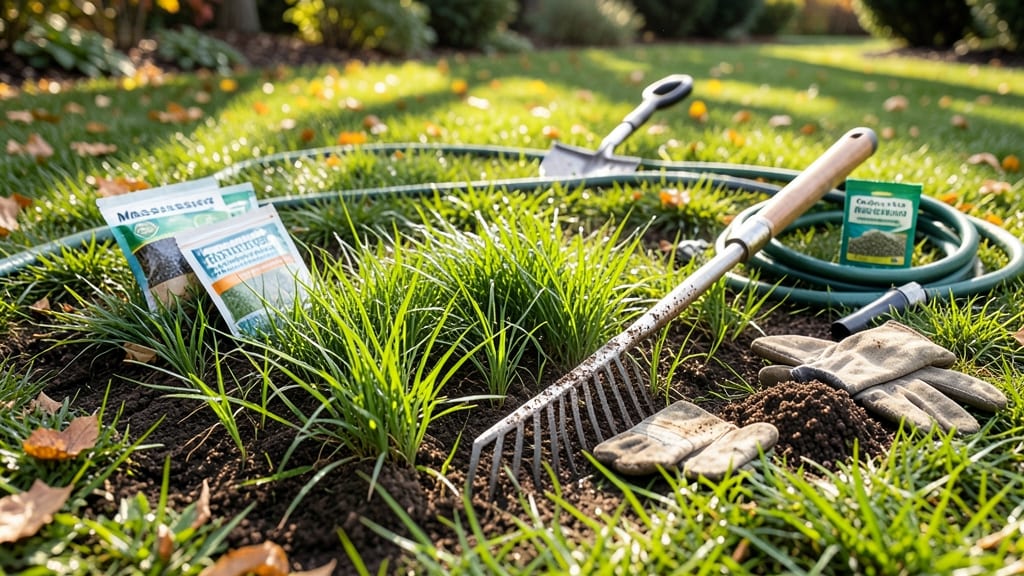
Planting grass seed in Massachusetts at the wrong time can turn your dream of a lush lawn into a costly mistake—especially when winter washout or summer heat stress your new growth.
The best window isn’t just about the calendar; it’s about soil temperatures, frost dates, and regional microclimates that vary from coastal to inland areas.
If you’ve ever watched your freshly seeded lawn struggle to take root, you’re not alone. Most homeowners in zones 5b-6b miss the ideal planting slots because they don’t account for the critical 50-65°F soil threshold that grass seed needs to germinate properly.
Early fall and spring are your golden opportunities, but timing them right means avoiding the 3 PM heat or the first frost’s harsh reality.
In this guide, I’ll break down exactly when to plant your 🌱 grass seed for maximum success—plus the soil prep, seed types, and weather tricks that make all the difference.
Whether you’re seeding a new yard or patching bare spots, these insights will help you skip the guesswork and get a lawn that lasts.
Ready to stop wasting seed and money? Let’s dive into the cool-season secrets that’ll give you the greenest, hardiest lawn Massachusetts has to offer—without the headaches.
Massachusetts grass seed planting windows: ideal cool-season months to avoid winter loss
Massachusetts’ cool-season climate creates two prime windows for planting grass seed: early fall and late spring. These periods align with soil temperatures between 50°F and 65°F, perfect for germination without summer heat stress or winter freeze risks.
Coastal areas like Cape Cod may have slightly earlier windows, while inland regions like Worcester should wait a few days longer for stable temperatures.
Why these windows? Early fall (late August to early October) lets seeds establish roots before winter, while late spring (mid-April to early June) avoids summer drought. Planting outside these times risks seed washout (fall) or heat stress (summer), both of which can kill new growth before it takes hold.
Here’s the key: Soil temperature, not air temperature, determines success. Use a soil thermometer to confirm conditions—wait until readings consistently stay above 55°F for at least a week before planting. This rule applies to both cool-season grasses (like Kentucky bluegrass) and tall fescue, which are common in MA.
Regional variations matter. Coastal MA (e.g., Boston, Providence) can plant 1-2 weeks earlier than inland areas (e.g., Springfield, Pittsfield) due to moderating ocean breezes.
Check your USDA Zone (5b-6b) for local adjustments—Zone 6b areas should aim for September 15-October 15 in fall, while Zone 5b may need to push to October 1-15.
Pro tip: Monitor frost dates via the National Weather Service or local extensions. Aim to plant 6-8 weeks before the first frost (typically mid-October in MA). This gives seeds time to germinate, grow roots, and withstand light frosts without dying back.
For spring planting, wait until after the last frost date (usually mid-April) and before summer heat sets in (by early June). Planting in May offers a sweet spot—cool nights, warming soil, and consistent rainfall in many MA regions.
Now, let’s break down the ideal planting windows, soil conditions, and regional adjustments in this quick-reference table:
Timing isn’t the only factor—seed selection also plays a role. Kentucky bluegrass and fine fescue thrive in MA’s climate but have different germination speeds. Bluegrass germinates faster (7–14 days) but needs consistent moisture, while fine fescue is drought-tolerant but slower (14–21 days).
Mixing tall fescue (for wear resistance) with bluegrass is a popular combo for lawns in USDA Zone 5b-6b.
Once you’ve locked in the right window, soil prep becomes critical. Test your soil’s pH (ideal: 6.0–7.0) and amend with compost or lime if needed. Loosen the top 2–3 inches of soil with a rake or aerator to ensure seeds make contact with moisture and nutrients.
Skipping this step leads to poor germination and wasted seed.
Finally, weather forecasting is your best friend. Check the 7-day outlook for steady rainfall or plan to water daily for 2–3 weeks post-planting. A sprinkler system on a timer can save time, but hand-watering in the early morning reduces evaporation and fungal risks.
Aim for 0.25 inches of water per session—enough to moisten soil 1–2 inches deep.
By nailing these cool-season windows and prep steps, your Massachusetts lawn will establish a deep root system before winter or summer stress hits. Next, we’ll dive into soil prep, seed types, and weatherproofing to maximize your success—because even the best timing won’t help if the soil isn’t ready.
Massachusetts grass seed planting windows: ideal cool-season months to avoid winter loss
Massachusetts’ cool-season climate creates two prime windows for planting grass seed: early fall and late spring. These periods align with soil temperatures between 50-65°F, the sweet spot for germination.
Coastal areas like Cape Cod may shift these windows slightly earlier due to milder microclimates, while inland zones like Worcester face stricter frost risks.
Your best bet is to plant between mid-September and early October for fall, or mid-April to mid-May in spring. These slots give seedlings 4-6 weeks to establish roots before winter’s first frost or summer’s heat stress.
Missing this window? You risk winter washout (fall planting too late) or dormancy stress (spring planting too early).
Here’s the breakdown of your planting windows, tailored to Massachusetts’ USDA zones 5b-6b:
For coastal MA (e.g., Boston, Provincetown), extend your fall window until early November—the ocean’s moderating effect delays frost. Inland areas (e.g., Springfield, Pittsfield) should aim for early October or earlier to avoid early freezes.
Always check your local frost date averages—the USDA Plant Hardiness Zone Map is your best friend here.
Pro tip: Use a soil thermometer ($10 at garden centers) to confirm temps before planting. If your soil reads below 50°F, wait—cold soil slows germination and invites disease. Patience now saves you from replanting later.
Remember, Kentucky bluegrass and tall fescue (common MA varieties) thrive in these windows, but warm-season grasses like Bermuda won’t survive MA winters. Stick to cool-season blends for year-round success.