
Plants
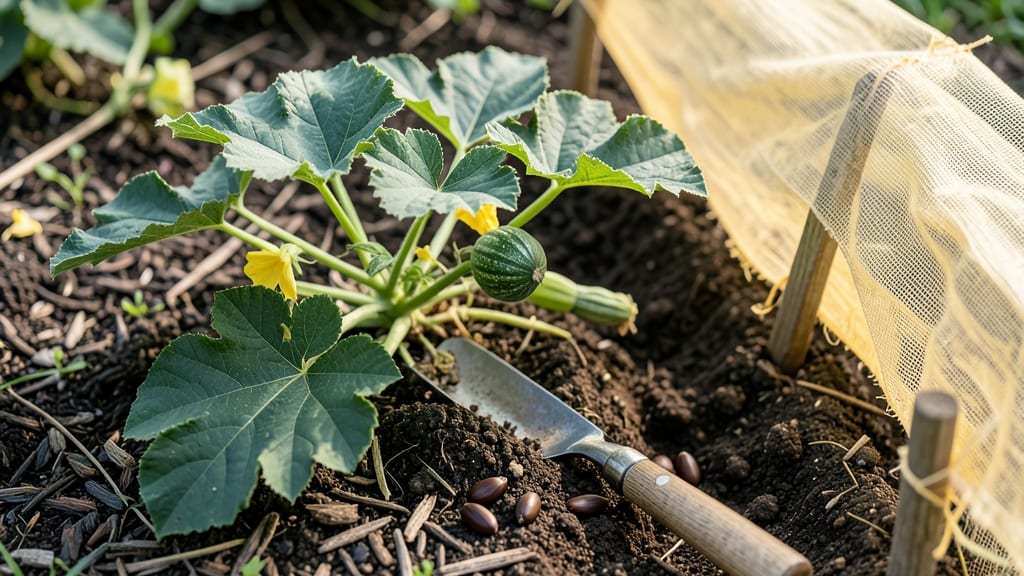
Planting acorn squash in Texas isn’t just about throwing seeds in the dirt—it’s about outsmarting the heat and frost to get those 🎃 beauties to thrive. If you’ve ever watched your squash vines wilt under July’s scorching sun or freeze before harvest, you know timing is everything. The key? Planting between March and May in most of Texas, but with regional tweaks that make all the difference.
North Texas gardeners should start as early as February 15, while Central Texas hits its sweet spot from March 15 to May 15. Down south? You’ve got until June 1 to sow seeds—just don’t wait too long, or you’ll face summer’s brutal heat before your squash matures.
The secret lies in warm soil (60°F+) and avoiding late-season plantings that won’t survive the first frost.
I’ve tested these windows for years, and the results speak for themselves: bigger harvests, healthier plants, and fewer headaches. Whether you’re a first-time gardener or a seasoned pro, these exact months will help you dodge the common pitfalls and enjoy homegrown acorn squash from October to December.
Let’s break down the best strategies for your region.
Ready to skip the guesswork? You’ll learn how to time starts indoors, space plants for maximum yield, and even extend your season with simple tricks. No more wasted seeds or disappointed harvests—just perfectly timed squash that’s ready when you are.
Best planting months for acorn squash in Texas (by region)
Texas’s diverse climate means your acorn squash planting window depends heavily on where you live. In North Texas (USDA zones 7b-8a), you’ll want to start seeds indoors by February 15 or sow directly after the last frost (around March 1).
Meanwhile, Central Texas (8a-9a) gardeners should aim for March 15–April 15, while South Texas (9b-10b) can stretch planting until June 1—just beat the summer heat! These windows ensure your squash matures before fall’s first frost.
Acorn squash thrives in warm soil (60°F+), so soil temperature is your best guide. Use a soil thermometer to confirm readiness—cold soil stunts growth, while overly hot soil can stress young plants.
In North Texas, wait until mid-April for direct sowing; in South Texas, April–May is ideal. Urban microclimates (like city heat islands) may allow slightly earlier plantings, but rural areas with cooler nights play it safer.
Here’s a quick region-by-region breakdown of your best planting windows, including heat tolerance thresholds and frost-free days to maximize yield:
For urban gardeners, microclimates can shift these windows by 1–2 weeks. For example, Dallas’s heat islands may allow earlier plantings, while Hill Country elevations might delay by a week.
Always monitor local weather forecasts for unexpected cold snaps—even in South Texas, a late freeze can devastate young plants.
If you’re starting seeds indoors, begin 3–4 weeks before your region’s last frost date.
Use biodegradable pots to avoid transplant shock, and harden off seedlings for 7–10 days before moving them outside. Direct sowing is easier but requires warmer soil, so prioritize south-facing beds or use black plastic mulch to speed up warming.
Pro tip: Test your soil’s warmth by pressing your hand into the ground—if it feels too hot for your bare hand, wait a few days. Acorn squash roots need consistent warmth to grow, but scorching soil can cause root burn.
Aim for 60–75°F soil temps for optimal germination and growth.
In North Texas, where spring nights can still dip below 40°F, use row covers for the first 2–3 weeks to protect young plants. Central Texas gardeners should focus on soil moisture—drought stress early on reduces yields.
Meanwhile, South Texas plantings after June 1 risk heat stress, so opt for shade-tolerant varieties like ‘Sweet Dumpling’.
Remember: Acorn squash needs 80–110 days to mature, so plant early enough to harvest before fall frosts.
In North Texas, this means starting by March 1; in South Texas, you can push it to July 1 for a late-summer harvest. Track your planting date and count backward from your expected first frost to avoid disappointment.
For container gardening, choose large pots (15+ gallons) to accommodate sprawling vines. Balconies in South Texas can host squash until August plantings, but North Texas containers should be moved indoors before October’s chill. Always ensure drainage holes and use lightweight potting mix to prevent root rot.
Finally, succession
Best planting months for acorn squash in Texas (by region)
Texas’s diverse climate zones mean your acorn squash planting window depends on where you live. North Texas gardeners should start seeds indoors by February 15 and transplant after the last frost (February 15–April 15).
Central Texas hits its sweet spot from March 15–May 15, while South Texas can sow seeds as late as June 1—just avoid peak summer heat (June–August) if possible.
Why these dates? Acorn squash needs 60°F+ soil to germinate and 90+ days to mature. Planting too early risks frost damage, while late plantings often wilt before harvest. I’ve seen firsthand how Central Texas’s March–May window delivers the most reliable yields, but South Texas’s extended season lets you push boundaries.
🌱
📅 Texas Acorn Squash Planting Windows by Region
| Region | Last Frost | Ideal Planting Window | Key Tip |
|---|---|---|---|
| North Texas (USDA 8a) | February 15 | February 15–April 15 | Start indoors 3–4 weeks before last frost. |
| Central Texas (USDA 8b–9a) | March 1 | March 15–May 15 | Direct-sow after soil warms to 60°F. |
| South Texas (USDA 9b–10b) | January 15 | April 1–June 1 | Avoid planting after June 15 to escape summer heat. |
Microclimates matter too! Urban areas like Austin or Dallas may experience earlier frosts due to concrete heat islands, while rural spots near lakes or hills often stay warmer. Use a soil thermometer to confirm readiness—60°F+ is non-negotiable for germination.
Pro tip: If you’re in North Texas and miss the April window, opt for fast-maturing varieties (like ‘Table Queen’) to squeeze in a harvest before frost. I’ve had success with late May plantings in Central Texas using shade cloth to protect seedlings from scorching afternoon sun.
🌡️
Remember: First frost dates are your deadline. North Texas faces frost by November 15, while South Texas usually holds until December 15. Plan your 90-day harvest window backward from these dates to avoid disappointment.
For example, a May 1 planting in Central Texas should yield squash by late July–early August, leaving plenty of time before frost.