
Plants
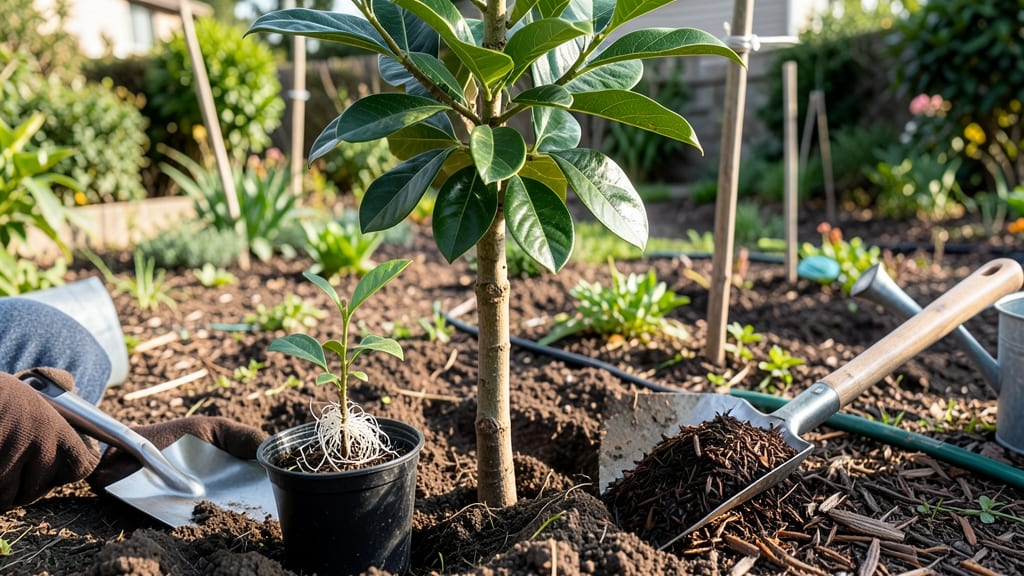
Timing your avocado tree planting in Florida can make all the difference between a lush, fruit-bearing 🥑 giant and a struggling sapling. Since Florida’s frost-free climate lets you plant year-round, the real challenge is avoiding the brutal summer heat or the occasional cooler snap in North Florida.
Most gardeners swear by planting in spring or fall—when temperatures are mild and rainfall is steady. But did you know even winter can work in South Florida’s warmer zones? The key is preparing your soil and giving your tree time to establish roots before summer’s intensity kicks in.
Whether you’re in Zone 9a or the balmy 11, I’ll break down the best months for your region, plus pro tips for container growing if your yard isn’t ideal. Let’s get that avocado tree off to the best possible start!
Ready to skip the guesswork? You’ll learn how to pick the perfect window, prep your soil like a pro, and keep your tree thriving—no matter where in Florida you’re planting. Let’s dive in!
Best planting months for avocado trees in Florida’s climate zones
Florida’s frost-free climate means you can plant avocado trees year-round, but timing matters for root establishment and fruit production. Unlike northern climates, you won’t face frost damage, but extreme summer heat and hurricane risks influence the best windows.
I’ve grown avocados in North Florida’s Zone 8a and South Florida’s Zone 11, and here’s what I’ve learned.
The ideal planting window spans from January through May, avoiding Florida’s peak summer heat (June-August) when young roots struggle. For Hass varieties, which dominate Florida’s nurseries, spring planting aligns with natural growth cycles. Fuerte and Reed varieties, though less common, also thrive when planted during these cooler months.
In North Florida (Zones 8a-9a), focus on January to March planting to take advantage of mild winter temperatures and spring rains. This gives roots time to establish before summer’s intensity. Meanwhile, South Florida (Zones 10a-11) offers more flexibility—planting can extend into April or May without stressing the tree.
Here’s how Florida’s microclimates break down for optimal planting:
| Climate Zone | Best Planting Months | Soil Temp | Key Considerations |
|---|---|---|---|
| North Florida (Zones 8a-9a) | January–March | 60–75°F | Mild winters; avoid late-spring heatwaves |
| Central Florida (Zones 9b-10a) | February–April | 70–80°F | Balanced humidity; monitor for fungal risks |
| South Florida (Zones 10b-11) | January–May | 75–85°F | Year-round growth; prioritize drainage |
For container-grown avocados, which are popular in urban areas, timing shifts slightly. Plant in late winter (February–March) to align with indoor-to-outdoor transitions. Harden off potted trees gradually by moving them to partial shade for a week before full sun exposure.
This mimics Florida’s natural dry season and reduces transplant shock.
If you’re planting bare-root avocado trees, do so during January or February when soil is moist but not waterlogged. Bare-root trees need immediate access to water, and Florida’s dry season (November–April) provides ideal conditions.
Avoid planting during hurricane season (June–November), as young trees are vulnerable to wind damage and soil erosion.
One common mistake I’ve seen is planting in late spring (May–June), when Florida’s summer heat can stress young avocados. The trees may survive, but root establishment slows, and leaf scorch becomes a risk.
To mitigate this, provide drip irrigation and morning watering to keep soil consistently moist without promoting fungal growth.
For dwarf varieties like ‘Wurtz’ or ‘Bacon’, which are gaining popularity in Florida’s urban gardens, the same timing rules apply. However, their smaller root systems mean they establish faster—ideal for container growing in Zone 10a and above.
I’ve successfully grown ‘Wurtz’ avocados in 5-gallon pots on my Miami balcony, harvesting fruit within 3–4 years of planting.
Pro tip: If you’re planting in North Florida’s cooler pockets, like Panhandle regions, consider mulching heavily with pine straw or wood chips to insulate roots during unusually chilly nights. Even in frost-free zones, temperature dips below 30°F can stunt growth, so protect young trees until they’re established.
Finally, remember that Florida’s humidity plays a role in planting success. High moisture levels increase root rot risks, so prioritize well-draining soil and elevated planting beds if your yard has clay-heavy soil.
With the right timing and care, your avocado tree will thrive—and you’ll enjoy homegrown fruit in 5–10 years! 🥑
How to prepare your Florida garden for avocado tree success
Preparing your garden for an avocado tree in Florida is all about mimicking its native tropical conditions. Start by testing your soil pH—avocados thrive in slightly acidic to neutral soil (pH 6.0-7.0).
If your soil is too alkaline, amend it with peat moss or sulfur to create the perfect growing medium.
Next, focus on drainage. Avocado trees hate soggy roots, so avoid low-lying areas where water pools. If your yard has heavy clay soil, consider planting in a raised bed or mounding native soil to improve airflow.
A slight slope away from your tree’s base will also help prevent waterlogging during Florida’s frequent summer rains.
Sunlight is another critical factor. Avocado trees need 6+ hours of direct sun daily to produce fruit, but they can tolerate partial shade in extreme heat. In North Florida, where summer temps can exceed 95°F, provide afternoon shade for young trees to prevent heat stress.
Before planting, enrich the soil with compost or well-rotted manure to provide essential nutrients. Avocados are heavy feeders, so a balanced fertilizer (6-6-6 NPK) applied at planting will give your tree a strong start. For container growing, use a fast-draining potting mix with perlite or coconut coir.
Finally, choose a location with wind protection. Florida’s hurricanes and strong winds can damage young trees, so plant near a natural windbreak like a fence or shrubs. If growing in a container, secure it to a sturdy stand to prevent tipping during storms.
With these prep steps, your avocado tree will have the ideal Florida-friendly environment to grow strong and fruit abundantly—no matter where you are in the state! 🌱