
Plants
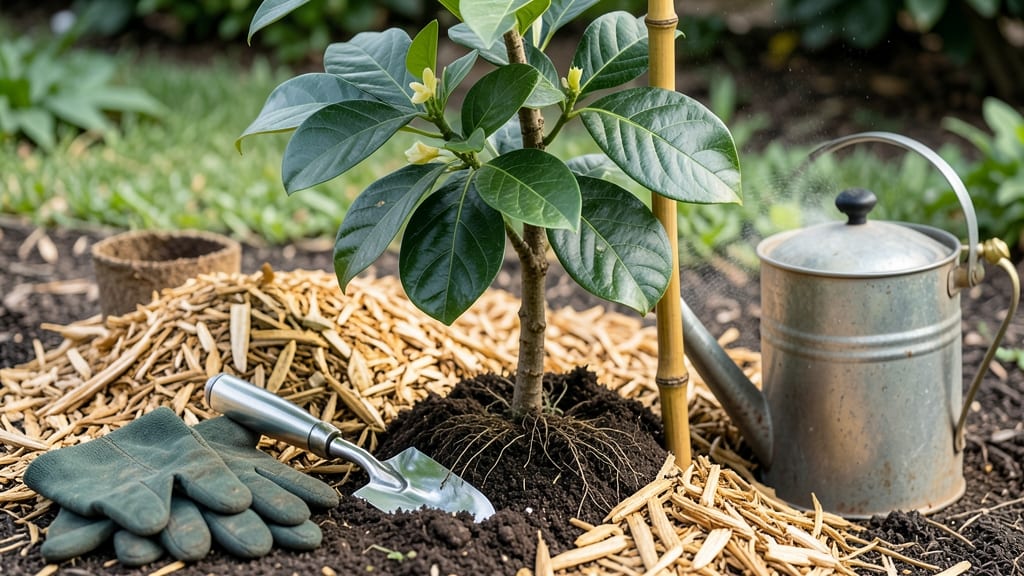
Timing when to plant an avocado tree in the ground just right could mean the difference between a thriving 🥑 giant and a sad, stunted sapling. Unlike hardy perennials, avocados are tropical divas that throw a fit when planted too early—especially in cooler climates like USDA Zone 6.
One wrong move, and frost will turn your $20 seedling into a science experiment (RIP).
Here’s the secret: Wait until the soil warms to at least 60°F—that’s your green light to dig. In most regions, that lands in late spring or early summer, but coastal areas or microclimates might shift your window by weeks.
I’ll break down exactly when to plant based on your zone, plus how to spot frost traps lurking in your yard that could sabotage your tree before it even sprouts.
You might think “just plant it in May” works everywhere, but avocados aren’t fans of guesswork. Whether you’re transitioning from a container or starting fresh, we’ll cover soil tests, frost forecasts, and even backup plans for late starters.
Trust me, skipping these steps is how you end up with a brown thumb and a very disappointed tree.
Ready to avoid the #1 rookie mistake? Let’s dive into the climate-smart months that’ll give your avocado tree the strong roots it needs to reach for the sky—without a side of frostbite.
Best planting months by USDA hardiness Zone for avocado trees
Avocado trees thrive in tropical and subtropical climates, but their planting windows vary dramatically by USDA hardiness zone. In Zone 10-11, you can plant year-round, while Zone 7 gardeners must wait for spring.
Let’s break down the best months for each zone to ensure your tree establishes strong roots before summer heat or winter frost arrives.
For Zones 9-11, the ideal planting window is late spring through early fall (April–September). These areas rarely experience frost, so soil warmth is the primary concern. In Zone 8, plant between March and May or September–October to avoid late-season chills.
Meanwhile, Zone 7 gardeners should wait until May–June when nighttime temperatures stay above 55°F (13°C).
If you live in Zones 6 or colder, planting an avocado tree in the ground is risky—unless you use a microclimate trick, like planting near a south-facing wall or in a protected microclimate.
Even then, focus on container growing for the first few years. The key is soil temperature, not just air temperature: roots need at least 60°F (15°C) to thrive.
In coastal areas, like California or Florida, humidity and ocean breezes can delay soil warming. Plant 2–4 weeks later than inland zones to avoid root rot from soggy soil. Conversely, desert climates (e.g., Arizona) may need earlier planting to beat summer’s intense heat.
For Zone 9–11 gardeners, late summer planting (August–September) works well if you water deeply and use mulch to retain moisture. However, avoid planting in peak summer (June–July) in arid regions, as young roots struggle to establish before drought sets in.
If you’re in a transition zone (e.g., Zone 8b–9a), monitor nighttime lows. A single 32°F (0°C) frost can kill young avocado trees. Use a frost cloth or move potted trees indoors if frost is forecasted within 2–3 weeks of planting.
Pro tip: Test your soil temperature with a soil thermometer before planting. Stick it 6 inches deep in the ground on a sunny afternoon. If it reads below 60°F (15°C), wait another 1–2 weeks. Warm soil speeds up root growth and helps the tree outcompete weeds.
Remember, container-grown avocados transplant more easily than bare-root trees. If you’re starting from seed, plant the seedling in the ground after it’s 12–18 inches tall and has multiple leaves
Best planting months by USDA hardiness Zone for avocado trees
Avocado trees thrive when planted during their natural growing season, but the exact timing depends entirely on your USDA hardiness zone.
In Zone 10 and 11, you can plant year-round since frost is rare, but gardeners in Zones 7-9 should aim for late spring to early summer—typically April to June.
The key is planting after the last frost date and when soil temperatures hit at least 60°F (15°C).
For Zones 6 and below, avocado trees are a stretch, but with container growing and winter protection, you can attempt planting in late May or June.
These zones have the shortest frost-free windows, so timing is critical. Always check your local frost forecast—a surprise cold snap can kill young roots before they establish.
Microclimates matter too. Coastal areas stay warmer longer, so you might plant 2-4 weeks earlier than inland regions. For example, San Diego (Zone 10) can plant in March, while Los Angeles (Zone 10b) might wait until April.
Use this table to pinpoint your ideal window based on zone and location type.
| Zone | Ideal Planting Window | Soil Temp Requirement | Microclimate Adjustment |
|---|---|---|---|
| Zone 6 (Risky) | Late May–June (container only) | 60°F+ (use heat mat) | Sheltered spots, move indoors in winter |
| Zone 7 | April–May (after last frost) | 60°F+ (test with thermometer) | Coastal: 2 weeks earlier; inland: wait until June |
| Zone 8 | March–April or Sept–Oct | 60°F+ (spring) or 55°F+ (fall) | Fall planting needs winter protection |
| Zone 9 | February–March or Sept–Oct | 60°F+ (year-round possible) | Desert areas: water deeply post-planting |
| Zone 10-11 | Year-round (avoid rainy season) | 60°F+ (always) | Hawaii: plant in dry season (May–Sept) |
If you’re in Zone 6 or 7, don’t rush to plant in early spring—even a light frost can kill young roots. Instead, wait until nighttime temperatures stay above 50°F (10°C) consistently.
For Zones 8-11, fall planting is also an option, but avoid planting too close to winter to prevent root shock from cold snaps.
Pro tip: Use a soil thermometer to confirm warmth before planting. Stick it 6 inches deep—that’s where roots will grow. If it reads below 60°F, wait another week. Patience here saves you from replanting a frost-nipped sapling later.
Remember, avocado trees grow slowly in cooler zones. Planting at the right time ensures your tree focuses energy on root development instead of struggling to survive. Once established, they’ll reward you with tropical fruit for decades—if you give them the perfect start.