
Plants
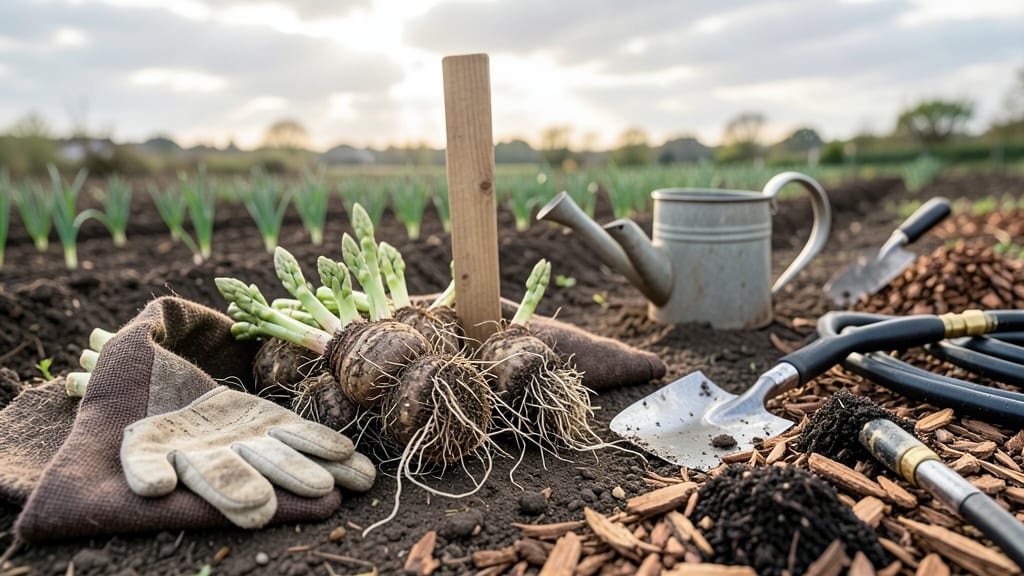
Planting asparagus in Kentucky isn’t just about timing—it’s about setting the stage for a harvest that’ll make your neighbors jealous. With the right window, you’re looking at thick, tender spears for years, not just a one-time payoff.
Here’s the kicker: Kentucky’s 6a-7a climate means you’ve got a narrow sweet spot between late winter’s lingering frost and spring’s impatient warmth. Miss it, and you’re gambling with stunted growth or worse—your crowns rotting in soggy soil.
But nail it, and you’re rewarded with a perennial crop that pays dividends for decades.
Most gardeners swear by 1-year-old crowns planted in early spring (think March to early April), but there’s a trickier side to this: soil temps must hit 40-50°F before you even think about digging. Too early, and your plants go dormant; too late, and you’re racing against Kentucky’s notorious humidity.
I’ll walk you through the exact calendar, soil prep secrets, and the top 3 cold-hardy varieties that handle Kentucky’s quirks like a pro—so you can skip the trial-and-error and get straight to spears. Let’s get growing.
Best planting months for asparagus in Kentucky (by region & soil temp)
Kentucky’s USDA Zones 6a-7a mean your asparagus planting window hinges on soil temperature and last frost dates. Aim to plant when soil reaches 40-50°F—typically mid-March to early April—but regional differences matter.
Northern Kentucky (e.g., Lexington) often waits until late March, while Southern Kentucky (e.g., Bowling Green) can start as early as February if soil warms faster.
For crown planting (the preferred method), time it 4-6 weeks before your last frost.
In Kentucky, this usually lands in March, but use a soil thermometer to confirm—cold soil delays root growth. Seed planting is riskier and requires 60-70°F soil, pushing ideal timing to late April or May, when Kentucky’s unpredictable spring frosts have passed.
Here’s the critical timeline for Kentucky gardeners: Plant crowns by March 15 for Northern regions or March 1 for Southern areas. If you miss this window, wait until early May—but expect smaller yields that first year. Never plant in fall; asparagus crowns need winter dormancy to establish properly.
🌱
| Region | Ideal Planting Window | Soil Temp Threshold | Last Frost Date | Risk Factor |
|---|---|---|---|---|
| Northern KY (Lexington, Louisville) | Mid-March to early April | 40-50°F | Mid-April | Late frost risk |
| Southern KY (Bowling Green, Paducah) | Late February to March | 45-50°F | Early April | Warmer soil, lower frost risk |
| Western KY (Paducah, Henderson) | Late February to early March | 40-45°F | Late March | Moderate frost risk |
| Seed Planting (Any Region) | Late April to May | 60-70°F | N/A | Slower establishment |
Kentucky’s clay-heavy soils can delay warming, so amend beds in fall with compost and sand to improve drainage. If you’re planting in containers, use a fast-warming potting mix and start 2-3 weeks earlier than in-ground beds.
Containers also let you extend the season by moving pots to sheltered spots if late frosts threaten.
Pro tip: Use row covers if planting in late February—they add 5-10°F of warmth and protect young shoots from late spring frosts, which Kentucky experiences until mid-April. Remove covers once daytime temps stay above 50°F to avoid overheating.
Timing isn’t just about months—it’s about soil readiness. Test your soil’s pH (6.5-7.0) and drainage before planting. If your garden holds water after rain, raise beds or plant on a slope to prevent root rot, a common killer of asparagus in Kentucky’s humid climate.
🌿
Miss the spring window? You can still plant asparagus in <
Best planting months for asparagus in Kentucky (by region & soil temp)
Kentucky’s USDA Zones 6a-7a mean your asparagus planting window is a tightrope walk between late winter’s chill and spring’s warmth.
Northern Kentucky gardeners (like those in Lexington or Louisville) have a slightly earlier window than Southern Kentucky (think Bowling Green or Paducah), where warmer microclimates delay frost risks.
For both regions, the sweet spot is when soil temps hit 40-50°F—typically late March to early April. Planting too early (like February) risks crown rot in cold, wet soil, while waiting until May means missing the optimal 4-6 week pre-frost window for root establishment.
Here’s the breakdown: Northern KY can start as early as mid-March, while Southern KY should wait until late March to early April. Use a soil thermometer to confirm temps—don’t guess! Crowns planted in this window give you a 2-3 year head start on harvests.
| Region | Ideal Planting Window | Soil Temp Threshold | Last Frost Risk |
|---|---|---|---|
| Northern KY (Lexington, Louisville) | Mid-March to early April | 40-50°F | Mid-April |
| Southern KY (Bowling Green, Paducah) | Late March to early April | 45-50°F | Early April |
| 🌱 Pro Tip: Test soil moisture—if it’s soggy, wait 1-2 weeks! | |||
If you’re planting seeds instead of crowns, push your timeline back by 4-6 weeks. Seeds need 60-70°F soil to germinate, which in Kentucky usually means late April to early May.
But seeds take 2-3 years longer to produce spears, so crowns are the smarter choice for impatient gardeners.
One more Kentucky-specific hack: If you’re in a low-lying area (like the Bluegrass region), watch for late spring frosts in May. Planting in raised beds with black plastic mulch can add 5-10°F warmth to the soil, giving your crowns a fighting chance against chilly surprises.
Timing isn’t just about months—it’s about soil readiness. Amend your beds with compost and sand (Kentucky’s clay holds too much moisture), and you’ll avoid the heartbreak of rotting crowns. Next up: the top 3 cold-hardy varieties that handle Kentucky’s humidity like champs.