
Plants
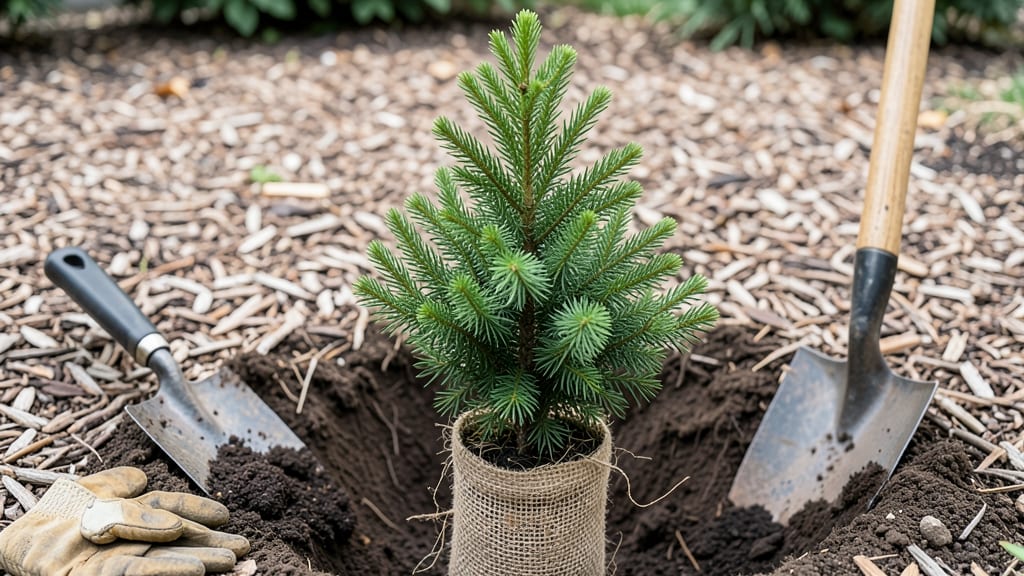
Timing your arborvitae planting just right in Ohio can make all the difference between a lush, frost-resistant hedge and a struggling young shrub fighting to survive. With Ohio’s unpredictable 6a zone climate, knowing when to plant your 🌲 arborvitae—whether in spring or fall—isn’t just helpful, it’s essential for long-term success.
Most gardeners in Ohio swear by early spring planting, but fall can also work if you time it right. The key is avoiding those late frosts that sneak in around April 15 or early freezes in October.
I’ll break down the best windows for planting, plus pro tips to give your arborvitae the strongest start possible.
You’ll also discover why container-grown arborvitae often transplant better in Ohio’s variable weather, and how to prep your soil for maximum root growth. Whether you’re planting a single specimen or a full privacy screen, these insights will help you avoid common mistakes that lead to winter burn or stunted growth.
Let’s dive into the exact timing, soil prep, and aftercare steps that’ll have your arborvitae thriving for decades—no guesswork required.
Ohio arborvitae planting timeline by hardiness zones (5-7)
Ohio’s diverse hardiness zones (5-7) create unique challenges for planting arborvitae—but nailing the timing ensures your evergreen thrives. Zone 5 (northern Ohio) has earlier frost risks, while Zone 7 (southern Ohio) enjoys longer growing seasons. The key? Plant when soil is workable but frost danger has passed.
For spring planting, aim for 2-3 weeks after Ohio’s last frost date (typically mid-April). This gives roots time to establish before summer heat. Fall planting works too—just finish by early October so roots settle before winter. Transplant shock is the biggest risk if planted too late.
Ohio’s microclimates matter: Urban areas like Columbus (Zone 6b) may warm faster than rural zones. Always check your local frost dates—the Ohio State University Extension provides county-specific data to avoid guesswork.
Here’s your Ohio arborvitae planting timeline by zone, including soil temp and frost risk factors:
| Zone | Best Planting Window | Soil Temp | Frost Risk | Care Tip |
|---|---|---|---|---|
| Zone 5 | Late April–Early May or Early September–Mid-September | 50–60°F | High (last frost: May 10) | Mulch heavily in fall |
| Zone 6a | Early April–Early May or Late August–Early October | 55–65°F | Moderate (last frost: April 15) | Water deeply after planting |
| Zone 6b | Mid-March–Mid-April or September–Early October | 60–70°F | Low (last frost: April 1) | Use root stimulator |
| Zone 7 | February–March or October–November | 65–75°F | Minimal (last frost: March 15) | Plant in partial shade |
Spring planting gives arborvitae a head start, but fall planting (especially in Zone 6b-7) lets roots establish before winter. Container-grown arborvitae can handle late fall planting better than bare-root varieties—just avoid planting when soil is frozen or waterlogged.
Ohio’s summer heat (July–August) is brutal for new transplants. If planting in late spring, provide afternoon shade for the first 2 weeks and mulch to retain moisture. Drip irrigation is ideal for young plants during dry spells.
Pro tip: Test your soil pH (ideal: 6.0–7.0) before planting. Ohio’s clay-heavy soils in northern zones may need amendments like compost or sand for drainage. Southern Ohio’s loamy soils often need less prep.
For container planting (common in urban Ohio), use well-draining mix and plant in late spring to avoid root-bound stress. Containers dry faster—water every 5–7 days in summer. Evergreen varieties like Emerald Green handle containers better than American Arborvitae.
Remember: Transplant shock is real. Even with perfect timing, arborvitae may drop needles for 2–3 weeks post-planting. This is normal—keep watering and avoid fertilizing until new growth appears in spring.
🌲
Ohio arborvitae planting timeline by hardiness zones (5-7)
Ohio’s USDA hardiness zones 5-7 create a unique window for planting arborvitae, where timing directly impacts survival rates. The last spring frost typically arrives around April 15, while the first fall frost hits by October 15.
This leaves a 165-day frost-free period—perfect for establishing roots before winter dormancy.
For best results, aim to plant 2-3 weeks after the last frost (mid-April) or in early fall (September). This timing allows roots to establish before Ohio’s harsh winters or summer heat stress. Container-grown arborvitae can tolerate slightly earlier planting, but bare-root varieties need warmer soil.
📋 Key Considerations:
- Soil temperature should be above 50°F for root growth
- Transplant shock is highest in late summer heat (July-August)
- Winter burn risk increases if planted too late in fall
| Zone | Best Planting Window | Soil Temp Requirement | Transplant Shock Risk |
|---|---|---|---|
| 5 (Northern Ohio) | April 20 - May 15 September 1 - September 20 |
50-55°F | High (late spring) |
| 6a (Central Ohio) | April 10 - May 10 September 15 - October 5 |
55-60°F | Moderate (early fall) |
| 7 (Southern Ohio) | March 20 - April 30 September 1 - September 30 |
60-65°F | Low (extended growing season) |
In Zone 5, focus on early spring planting (April 20-May 15) when soil warms to 50-55°F. Northern Ohio’s shorter growing season demands faster root establishment. For Zone 7, you gain flexibility with a March 20-April 30 window or even late fall (September 1-30) before frost.
Pro tip: Mulch heavily after planting to protect roots from Ohio’s temperature swings. Use 3-4 inches of shredded bark and keep it 6 inches from the trunk to prevent rot. This is especially critical in Zone 6a, where winter temperatures can drop below -10°F.
Container-grown arborvitae offer more planting flexibility in Ohio. You can plant them anytime soil isn’t frozen (February-November), but spring and fall still provide the best root establishment before winter. Just avoid planting during summer heatwaves when transplant shock becomes severe.
Remember: Arborvitae planted in Ohio’s fall (September-October) benefit from cooler temperatures and consistent moisture, allowing roots to grow without summer stress. This fall-planted strategy often yields stronger first-year growth than spring planting.