
Trees
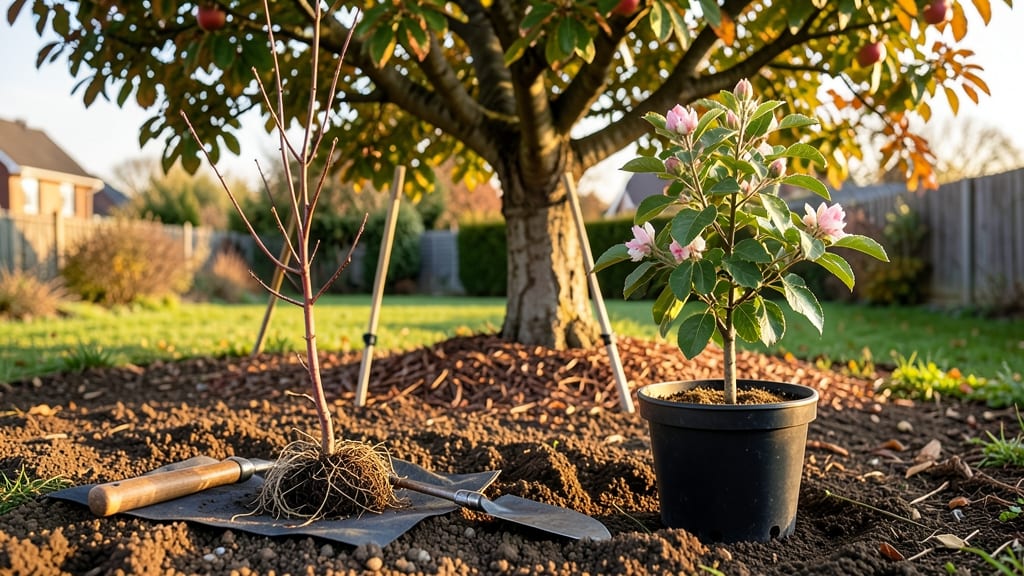
Planting an apple tree 🍎 in England at the wrong time could mean the difference between a thriving orchard and a struggling sapling. The best months to plant actually depend on where you live—whether you're in frost-prone London or milder Cornwall—because soil temperatures and frost risk change everything.
Most gardeners swear by late autumn to early spring as the ideal window, but there’s a reason for that. Planting during dormancy gives roots time to establish before summer’s heat or winter’s frost hits. In USDA zones 8a-9b, this means November through March is your golden period.
But here’s the catch: cooler northern regions like Yorkshire need to plant earlier in autumn to beat frost, while southern areas like Dorset can sometimes extend planting into late winter.
I’ll break down the exact timing for your region and share the key tricks to ensure your tree takes root like a pro.
Ready to avoid common mistakes and set your apple tree up for a bountiful harvest? Let’s dive into the best months—and why they matter—for planting in England’s varied climate.
Best months to plant apple trees in England by region
Timing your apple tree planting is crucial in England, where regional climates vary dramatically. The ideal window spans from late autumn to early spring, but exact months depend on your location.
In milder southern regions like Cornwall or Dorset, you can plant as late as March, while colder northern areas like Yorkshire or Scotland demand earlier action—November to February—to avoid frost damage.
England’s USDA zones 8a-9b mean soil temperatures and frost risk dictate planting success. For example, London’s last frost typically hits around March 15th, while Scotland’s can linger until May. Planting bare-root trees in winter (when they’re dormant) gives roots time to establish before spring growth begins.
Here’s how regional climate affects your planting schedule:
| Region | Best Planting Months | Soil Temp Goal (°C) | Key Consideration |
|---|---|---|---|
| South (Cornwall, Dorset) | November–March | 5–10°C | Milder winters; avoid waterlogged soil |
| Midlands (Birmingham, Oxford) | October–February | 4–8°C | Moderate frost risk; prioritize drainage |
| North (Yorkshire, Scotland) | September–January | 3–7°C | Early frost; plant before ground freezes |
In southern England, where winters are milder, you can push planting into early March for container-grown trees. However, bare-root trees should always go in during dormancy—November to February—to minimize transplant shock.
The Royal Horticultural Society (RHS) recommends avoiding planting in late winter (February–March) if frost is forecasted, as new roots are vulnerable to cold snaps.
For northern England, act fast: Plant bare-root trees by January to ensure roots establish before spring.
If you miss this window, wait until September for a second chance—just be prepared for slower growth in the first year. Container-grown trees offer flexibility, allowing planting up to May, but they’ll need extra watering to compensate for smaller root systems.
Soil temperature is your best guide. Use a soil thermometer to confirm it’s above 5°C before planting. In waterlogged areas (common in winter), raise beds or plant on mounds to prevent root rot. Mulch heavily with well-rotted compost to insulate roots and retain moisture during dry spells.
Pro tip: If you’re in a coastal region, like Devon or Kent, you’ll have a 2–3 week advantage over inland areas due to milder microclimates. Monitor local weather forecasts for frost warnings—these can delay planting by weeks.
For example, a late frost in April could damage new shoots if trees are planted too early in March.
Finally, consider tree variety. Cox’s Orange Pippin or Bramley’s Seedling thrive in most of England, but late-frost-sensitive varieties like Gala need sheltered sites. Always check the nursery’s growing zone recommendations before buying.
By aligning your planting with your region’s climate, you’ll give your apple tree the best shot at strong root growth before its first harvest—typically 3–5 years after planting. 🍎🌳
Best months to plant apple trees in England by region
England’s climate varies dramatically from the mild coastal regions of Cornwall to the colder inland areas of Yorkshire. This means the best time to plant apple trees shifts depending on where you live.
In general, late autumn to early spring offers the ideal window—when trees are dormant and soil temperatures are cool but not frozen.
The Royal Horticultural Society (RHS) recommends planting bare-root trees between November and March.
However, northern regions like Scotland’s border or the Peak District should aim for earlier autumn planting (October-November) to avoid early frosts, while southern areas like Dorset or Sussex can extend planting into late winter (February-March) with minimal frost risk.
Here’s the key difference: Soil temperature must be above 4°C (40°F) for roots to establish, but below 10°C (50°F) to prevent early growth. Cooler northern climates hit this sweet spot earlier in autumn, while milder southern regions can wait until spring.
If you’re in a coastal area, you might even plant container-grown trees in early spring (March-April), as milder winters reduce frost risk. However, avoid planting in late winter (January-February) in colder regions—soil may still be too cold for root establishment.
Pro tip: Check your local frost dates (e.g., London’s last frost is typically March 15, while Cornwall’s is April 15). Planting 4–6 weeks before your region’s average last frost gives roots time to settle before summer heat arrives.
Timing isn’t just about frost—it’s also about soil moisture. Planting in autumn lets rainwater naturally hydrate the roots, while spring planting requires careful watering to prevent drought stress as temperatures rise. Choose your window wisely for a healthier, faster-growing tree.