
Plants
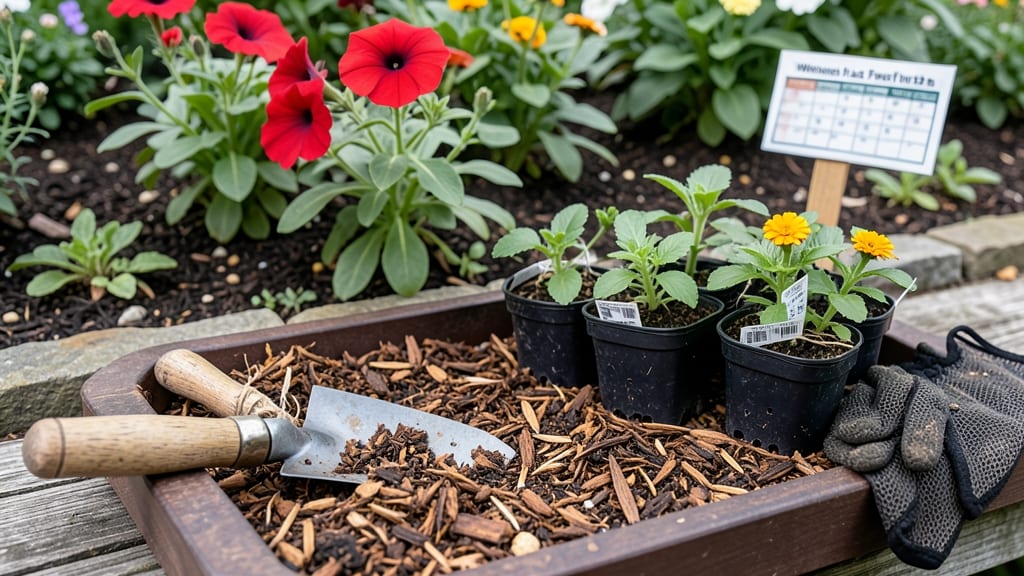
Timing your annuals planting in Wisconsin wrong can mean the difference between a showstopping garden and a sad, frost-nibbled disappointment. Wisconsin’s Zone 5B climate throws curveballs with its unpredictable frost dates, but knowing the perfect window turns those challenges into opportunities for vibrant blooms and thriving veggies.
Whether you’re dreaming of colorful marigolds or crisp lettuce, getting the timing right is the key. I’ll walk you through the exact months to plant—from cool-season favorites like pansies to heat-loving tomatoes—and how to adjust for your specific corner of Wisconsin, whether you’re in Madison, Milwaukee, or beyond.
No more guessing games! You’ll learn how to read frost dates like a pro, use soil temperature tricks, and even extend your growing season with simple tools. By the end, you’ll feel confident planting annuals that flourish all summer long—no matter what Wisconsin throws at you.
Let’s dive into the step-by-step guide that’ll have your garden looking like a postcard by June. Ready to make this your best planting season yet?
Wisconsin’s frost dates 2024: last & first frost calculator for annual planting
Wisconsin’s Zone 5B climate means your annuals face a tight planting window between last spring frost and first fall frost. Getting these dates wrong can mean wilted seedlings or premature death of tender plants.
The average last frost in Wisconsin typically falls between April 15 and May 15, while the first frost arrives between September 15 and October 15—though microclimates can shift these by weeks.
For Madison, the last frost usually lands around May 1, while Milwaukee sees it slightly earlier (April 25). Green Bay, being cooler, often waits until May 10.
These dates create a 120-140 day growing season, which is why choosing fast-maturing varieties is critical for Wisconsin gardeners.
To plan with precision, use the National Weather Service’s frost calculator or local Cooperative Extension Service data. These tools account for year-to-year variations and help you avoid planting too early when soil stays below 50°F—a common pitfall for warm-season crops like tomatoes and peppers.
| Location | Avg Last Frost | Avg First Frost | Frost-Free Days | Soil Ready Temp |
|---|---|---|---|---|
| Madison | May 1 | September 28 | 150 days | 55°F+ |
| Milwaukee | April 25 | October 5 | 165 days | 50°F+ |
| Green Bay | May 10 | September 20 | 135 days | 60°F+ |
| Northern WI (e.g., Wausau) | May 15 | September 15 | 120 days | 65°F+ |
*Adjust 1-2 weeks earlier for south-facing slopes or later for low-lying areas.
Microclimates play a huge role in Wisconsin gardening. A south-facing slope might warm up 1-2 weeks earlier than your neighbor’s yard, while a low-lying area could delay planting by the same amount.
Use a soil thermometer to confirm readiness—50°F is the minimum for most annuals, but warm-season crops like peppers need 70°F+.
For container gardening, you can extend the season by moving pots closer to the house or using heat mats to warm soil faster. However, always wait until nighttime temperatures stay above 40°F to avoid frost damage, even in containers.
Pro tip: Bookmark the Midwest Regional Climate Center’s frost maps or set reminders for your local Extension Office’s frost alerts. These resources update annually and help you adjust for La Niña or El Niño years, which can shift frost dates by weeks.
Remember, cool-season crops like kale and spinach can handle light frosts, while warm-season favorites like tomatoes and marigolds need to wait until all danger of frost has passed. Plan accordingly to maximize your Zone 5B growing potential!
Best annuals to plant by month in Wisconsin (with heat tolerance notes)
Wisconsin’s short growing season demands smart planning—especially when choosing annuals that thrive in our Zone 5B climate. Cool-season crops like lettuce and pansies love early spring, while marigolds and tomatoes need warm soil to flourish. Timing isn’t just about months; it’s about soil temperatures and heat tolerance.
Start with cool-season annuals in April–May (after the last frost) for a head start. These hardy plants handle Wisconsin’s chilly mornings and even light frosts. Then, shift to warm-season varieties in late May–June, when soil warms to at least 50°F.
Late summer? Don’t forget heat-tolerant annuals like zinnias or cosmos for a second bloom.
🌱 Pro Tip: Use a soil thermometer to confirm readiness—warm-season plants won’t thrive in cold soil, no matter the calendar date.
For container gardening, warm up soil faster by placing pots in sunny spots or using black plastic mulch. This trick helps tender seedlings like tomatoes or peppers establish roots before Wisconsin’s unpredictable late-spring frosts strike again.
Don’t overlook succession planting—sow quick-growing radishes or bush beans every 2 weeks from May to July. This ensures a steady harvest before the first frost in September–October. Even in Zone 5B, a little strategy turns fleeting summers into a gardener’s victory.
🌻 Heat Tolerance Hack: Choose heat-tolerant varieties like ‘Heatmaster’ tomatoes or ‘Heatwave’ zinnias—they’ll keep blooming even when Wisconsin’s July temps hit 90°F+.