
Plants
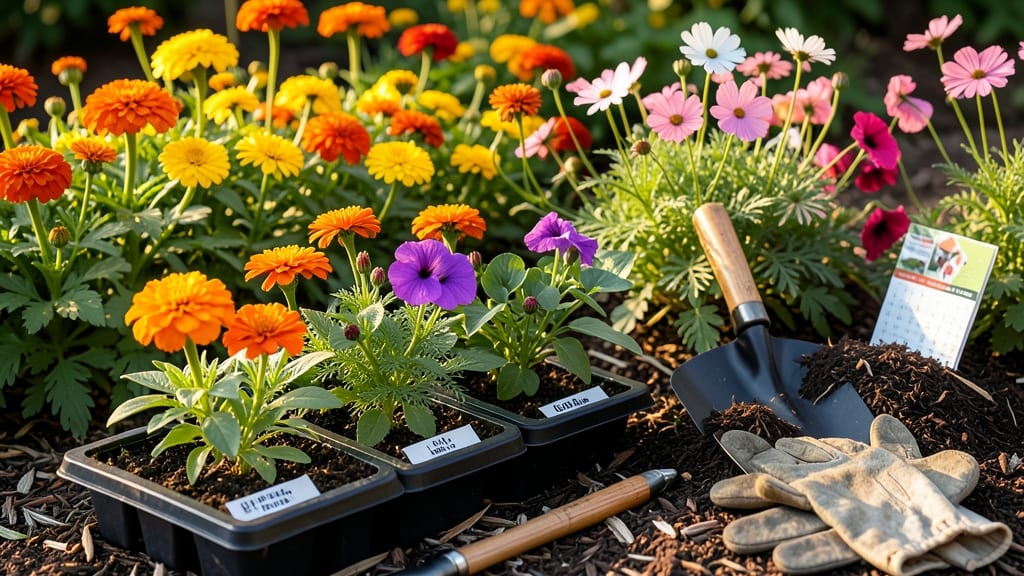
Timing is everything when it comes to planting annuals in Connecticut—get it wrong, and you might end up with frost-nipped petunias or leggy basil.
The key to vibrant blooms and bountiful harvests lies in knowing exactly when to start seeds indoors or set those little 🌸 seedlings in the ground after the last frost.
Connecticut’s Zone 6a climate means your planting window is tight—typically between April 15 and June 1, but that’s just the starting point. Whether you’re growing heat-loving tomatoes or cool-season pansies, understanding your microclimate (urban heat islands vs. rural chill) makes all the difference.
Miss the mark, and you’ll spend summer chasing growth instead of enjoying it.
I’ve tested what works in CT gardens for years, and the secret isn’t just waiting for warm soil—it’s about strategy.
Learn how to stretch your season with row covers, pick the best annuals for your yard (like marigolds that thrive in heat), and avoid common mistakes that kill seedlings before they even sprout. Let’s get those annuals in the ground the right way.
From tomatoes to zinnias, this guide gives you the exact dates, tools, and tips to turn your CT garden into a year-round showstopper—no more guessing, just growing. Ready to plant with confidence?
CT annual planting deadlines by Zone 5-7: avoid frost, guarantee growth
Connecticut’s Zone 5-7 climate means your annual planting window is short but sweet—about 165 frost-free days from late April to mid-October. Missing the traditional April 15 deadline? No problem. With the right timing, you can still grow vibrant flowers and bountiful vegetables all season long.
First, mark your calendar for Connecticut’s average last frost date: April 15 in most areas, but May 1 in colder inland zones.
For warm-season annuals like tomatoes and marigolds, wait until soil reaches 50°F (10°C)—a soil thermometer is your best friend here. Cool-season annuals like pansies and lettuce, however, can handle earlier planting as soon as the ground is workable.
🌱 Pro Tip: Use a frost clock or local CT agricultural extension alerts for real-time updates, as microclimates (like urban heat islands) can shift frost dates by 1-2 weeks.
🌿 CT Annual Planting Deadlines by Zone & Type
| Plant Type | Zone 5 Deadline | Zone 6-7 Deadline | Soil Temp | Notes |
|---|---|---|---|---|
| Warm-Season Flowers | May 10–15 | April 25–May 1 | 50°F+ | Marigolds, zinnias, sunflowers |
| Warm-Season Veggies | May 15–20 | May 1–10 | 55°F+ | Tomatoes, peppers, basil |
| Cool-Season Flowers | April 1–15 | March 25–April 1 | 40°F+ | Pansies, snapdragons, sweet alyssum |
| Cool-Season Veggies | March 20–April 5 | March 15–25 | 45°F+ | Lettuce, spinach, kale |
| Heat-Tolerant Annuals | June 1–15 | May 20–June 1 | 60°F+ | Cosmos, nasturtiums, okra |
⏰ Key: Adjust dates 1–2 weeks earlier for urban areas or later for inland zones.
For warm-season annuals, the June 1 cutoff is critical—any later, and your plants may bolt or struggle in CT’s hot, humid summers. Prioritize heat-tolerant varieties like cosmos or portulaca, which thrive in 90°F+ temperatures and can even handle light drought.
If you’re in Zone 5 (northern CT), consider staggered planting for tomatoes and peppers: sow half in early May and half in late May. This extends harvest time by 3–4 weeks and ensures you’re not overwhelmed with ripe fruit all at once.
Don’t overlook microclimates—southern CT (Zone 7) can plant 2 weeks earlier than northern areas. A south-facing wall or black plastic mulch can warm soil by 5–10°F, giving you an earlier start for warm-season crops.
🌡️ Warning: Avoid planting tomatoes or peppers until after May 15 in Zone 5—early planting risks blossom-end rot from cold soil. Use row covers to protect seedlings if late frosts linger.
For cool-season annuals, late summer planting (August) works for hardy varieties like kale or radishes. These can handle light frosts and may even taste sweeter after a light freeze. Just avoid planting spinach or lettuce after July 15—they’ll bolt quickly in CT’s heat.
Finally, track your first frost date (usually October 15) to plan succession plantings of fast-growing annuals like bush beans or nasturtiums. These can give you late-season color and ed
How to extend your CT planting season: cold frames, row covers & succession planting
Connecticut’s short growing season doesn’t mean you’re stuck with a bare garden from May to October. With the right tools and techniques, you can extend your planting window by 4–6 weeks on either end.
I’ve used cold frames, row covers, and succession planting to grow basil in March and marigolds in October—here’s how to do it too.
Start by identifying your microclimates. Urban areas like Hartford often stay warmer than rural spots in Litchfield County, giving you an extra week or two to plant. Use a soil thermometer ($15 at garden centers) to check when temps hit 50°F—the magic number for most annuals.
A cold frame (a clear plastic or glass box) can push your planting window back by 3–4 weeks. Place it over seedlings or direct-sow cool-season crops like lettuce or spinach in early April.
For warmth-loving plants, use a row cover (floating fabric tunnels) to trap heat and protect from late frosts.
✅ Extend Your CT Planting Season
- Cold Frames: Start cool-season plants 3–4 weeks earlier (e.g., pansies, kale).
- Row Covers: Protect warm-season plants (e.g., tomatoes, peppers) from late frosts.
- Succession Planting: Sow fast-growing annuals (e.g., bush beans, radishes) every 2 weeks.
- DIY Tip: Use black plastic mulch to warm soil 2–3°F faster.
🌱 Pro Tip: Pair row covers with drip irrigation to avoid overheating plants.
For succession planting, focus on fast-maturing annuals like bush beans (50 days) or nasturtiums (60 days). Plant a new batch every 2–3 weeks from May through July to ensure continuous blooms or harvests. I’ve had zinnias flowering from June to October using this method!
Don’t overlook container gardening—pots warm up faster than soil and let you move plants to sunniest spots or indoors during heatwaves. Use self-watering containers to avoid missed watering during busy weeks.
If you’re planting warm-season veggies like tomatoes or peppers, use row covers until mid-May, then remove them to prevent overheating. For cool-season flowers like pansies, start seeds indoors in March and transplant after the last frost—you’ll have blooms by April 15.
Remember: Monitor weather forecasts and have a backup plan. If a late frost is predicted, cover plants with old blankets or burlap sacks—even these simple tricks can save your seedlings. With these strategies, your CT garden can stay vibrant from spring to fall.